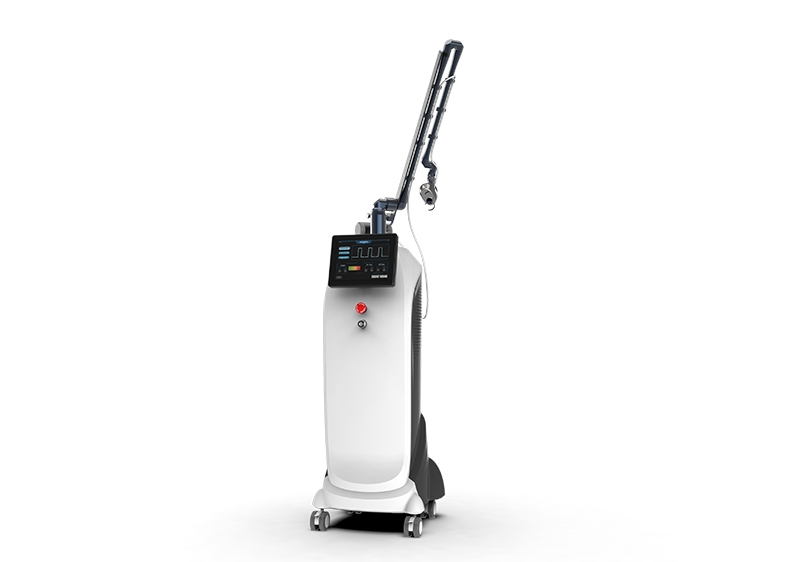
Affordable Laser Hair Removal in Dubai: Costs, Types, and What to Expect
-
- Published Updated
- 1,292 views
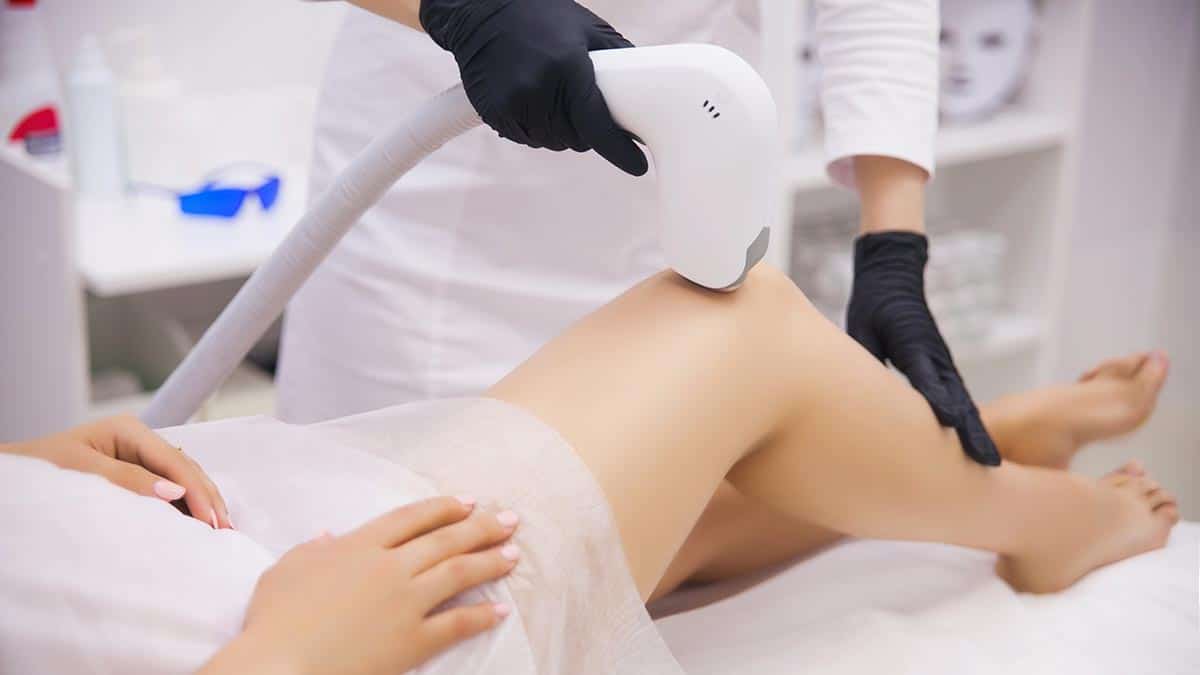
Dubai laser hair removal is a widely used cosmetic procedure in the UAE that aims to reduce unwanted hair using concentrated light energy. Interest is driven by factors such as long-term reduction, busy lifestyles, and a competitive clinic market that can make treatments more affordable than in many other global cities.
- Typical price ranges vary by treatment area, clinic location, and device type.
- Common laser types include diode, Alexandrite, and Nd:YAG; each has strengths for different skin tones.
- Safety and licensing are regulated; look for clinics and practitioners licensed by local health authorities.
- Most clients require multiple sessions and maintenance; side effects are usually temporary when performed correctly.
Dubai laser hair removal: What it is and who uses it
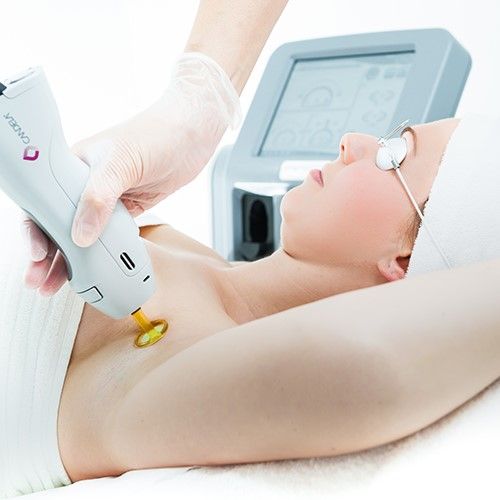
Laser hair removal uses focused light to target hair follicles and reduce hair growth over a series of sessions. The procedure is used on common areas such as the face, underarms, bikini line, legs, and back. Candidates are typically evaluated by skin type, hair color, and overall health to determine expected outcomes and the safest approach.
Costs and affordability in Dubai
Typical price ranges
Prices in Dubai vary widely. Small areas (upper lip, underarm) often cost significantly less per session than large areas (full legs, back). Typical per-session ranges in the market can be low to mid hundreds of dirhams for small areas and higher for large zones. Package deals for multiple sessions are common and can reduce the per-session price.
Factors that affect cost
- Area size and complexity (bikini or face vs. full legs)
- Number of sessions included in a package
- Type and age of laser equipment
- Clinician experience and clinic location
- Pre- and post-treatment services such as consultations or follow-ups
Types of lasers and how they differ
Diode laser
Diode lasers are commonly used for hair reduction and perform well on a range of hair types. They are often chosen for body areas and for medium skin tones.
Alexandrite laser
Alexandrite lasers operate at a wavelength effective on lighter skin and dense hair; sessions can be faster for larger areas but may be less suitable for darker skin tones without specialist settings.
Nd:YAG laser
Nd:YAG lasers penetrate deeper and are frequently recommended for darker skin tones (higher Fitzpatrick types) because they reduce the risk of pigment changes when used by trained practitioners.
Candidacy, skin types, and the Fitzpatrick scale
Assessment typically includes evaluation of skin tone using the Fitzpatrick scale and hair color. Melanin content affects both safety and effectiveness; darker hair with lighter skin often yields the best results, while dark skin requires lasers and settings that minimize pigment-related side effects.
Treatment pathway: consultation to maintenance
Initial consultation and patch test
A consultation usually reviews medical history, medications, and prior treatments. A small patch test on the treatment area confirms appropriate settings and checks for reactions.
Number of sessions and expected timeline
Multiple sessions are required because lasers target hairs in an active growth phase. A typical course ranges from 4 to 8 sessions spaced several weeks apart, with occasional maintenance sessions thereafter depending on individual response.
Safety, regulation, and choosing a licensed provider
Regulation of clinics and practitioners helps ensure equipment safety and staff competence. In Dubai, regulatory oversight is provided by health authorities that set licensing standards. Verify a clinic's license and practitioner credentials before booking. For official guidance and listings, consult the Dubai Health Authority website: Dubai Health Authority (DHA).
Risks, side effects, and realistic outcomes
Common short-term side effects include redness, swelling, and mild discomfort at the treatment site. Less common effects are pigment changes (hyperpigmentation or hypopigmentation), blistering, or scarring, which are more likely if inappropriate settings are used or follow-up care is inadequate. Outcomes vary: many people experience substantial hair reduction rather than permanent removal, and maintenance treatments may be needed.
Preparation and aftercare basics
- Avoid sun exposure and tanning products for several weeks before and after treatment.
- Do not wax or pluck hair in the treated area during the course of laser sessions; shaving is usually permitted.
- Follow clinic instructions on cleansing, topical products, and sun protection to reduce side effects.
Choosing a clinic in Dubai
Select a clinic that publishes practitioner qualifications, uses modern equipment suited to a range of skin tones, and offers a clear treatment plan and pricing. Reviews and referrals can be helpful but confirm credentials independently through licensing bodies or the clinic’s regulatory information.
Frequently asked questions
How much does Dubai laser hair removal typically cost?
Costs vary by treatment area, number of sessions, and clinic; package pricing for multiple sessions usually offers better value than pay-per-session rates.
Is laser hair removal safe for darker skin tones?
Safety for darker skin depends on the laser type and settings. Nd:YAG lasers are often used for higher Fitzpatrick skin types, but safe treatment depends on practitioner experience and appropriate settings.
How many sessions are needed for lasting results?
Most clients require multiple sessions, commonly 4–8, spaced weeks apart. Hair reduction is gradual and maintenance sessions may be required.
Will hair disappear permanently after treatment?
Laser treatment usually provides long-term hair reduction rather than guaranteed permanent removal; hormonal factors and new hair growth can necessitate future touch-ups.
Can sun exposure affect treatment outcomes?
Sun exposure increases the risk of pigment changes and is generally discouraged before and after sessions to improve safety and results.
Where can clinic licensing be verified in Dubai?
Clinic and practitioner licensing can be checked through local health regulators such as the Dubai Health Authority and other official registries that oversee cosmetic and medical services in the UAE.