Laser Treatment Reading: A Guide to Safe, Effective Skin Care
-

- Published Updated
- 1,660 views
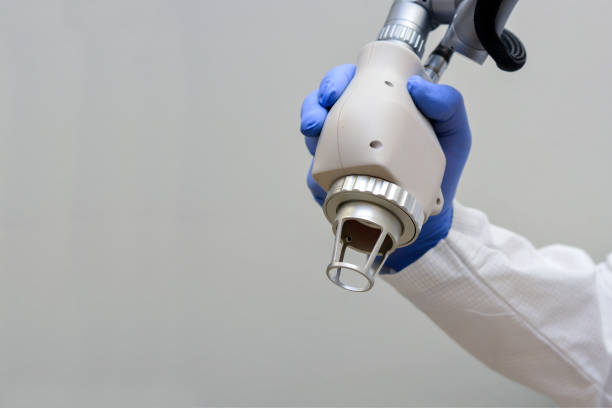
Laser treatments have become a popular option for people who want to improve the appearance and condition of their skin without relying solely on traditional skincare products. Modern laser technology can be used for a range of concerns, including unwanted hair, pigmentation, acne scars, redness, fine lines, and uneven skin texture. However, choosing the right treatment and understanding what to expect is important before making a decision.
For anyone considering Laser Treatment Reading, learning about the available options, benefits, preparation, and aftercare can make the process easier and more comfortable.
What Are Laser Treatments?
Laser treatments use concentrated light energy to target specific areas of the skin. Depending on the type of laser and the treatment being provided, the energy may remove unwanted pigment, stimulate collagen production, reduce hair growth, or improve the overall texture of the skin.
Different lasers are designed for different purposes, so there is no single treatment that works for every concern. A professional consultation can help determine which approach is suitable based on skin type, the condition being treated, and the desired results.
Common Reasons People Choose Laser Treatment
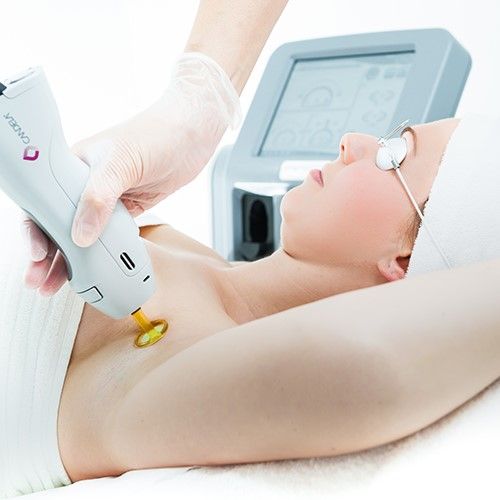
Laser technology can address several cosmetic and dermatological concerns. One of the most common uses is hair reduction. Laser hair treatments target the pigment in the hair follicle and can gradually reduce hair growth over a series of sessions.
Laser procedures are also used for pigmentation concerns such as sun spots and uneven skin tone. Some treatments work by targeting excess pigment, allowing the body to naturally process the treated areas over time.
For people dealing with acne scars or uneven texture, certain laser treatments can encourage collagen production. As new collagen develops, the skin may appear smoother and more even.
Other treatments may be used to reduce the appearance of fine lines, redness, or certain types of vascular concerns. The appropriate treatment depends on the specific issue and individual skin characteristics.
What Happens During a Consultation?
A consultation is an important part of the treatment process. During an assessment, a qualified professional can examine the area being treated, discuss your concerns, and explain the available options.
You may also be asked about your skincare routine, previous treatments, medications, and exposure to the sun. This information can help determine whether laser treatment is appropriate and whether any preparation is required.
It is also a good opportunity to ask questions about the expected results, number of sessions, recovery period, possible side effects, and aftercare requirements.
Preparing for Your Treatment
Preparation can vary depending on the type of laser procedure. In many cases, avoiding excessive sun exposure before treatment is recommended because recently tanned or sunburned skin may be more sensitive.
You may also be advised to temporarily stop using certain skincare products or treatments that can make the skin more sensitive. Following the provider's instructions carefully can help reduce unnecessary irritation.
Avoiding unnecessary changes to your routine immediately before treatment can also make it easier for the professional to assess how your skin is responding.
What Is Recovery Like?
Recovery depends on the type and intensity of the laser treatment. Some procedures cause little to no downtime, while others may result in temporary redness, swelling, sensitivity, or peeling.
After treatment, the skin may need extra care. Gentle cleansing, moisturising, and protection from sunlight are commonly recommended. Your provider should give you specific aftercare instructions based on the procedure you receive.
It is important not to pick or scratch treated skin, even if mild peeling or sensitivity occurs. Allowing the skin to heal naturally can help minimise irritation and support the recovery process.
How Many Sessions Are Needed?
The number of sessions varies according to the treatment and the individual. Hair reduction, for example, generally requires multiple appointments because hair follicles respond differently depending on their growth cycle.
Skin rejuvenation and pigmentation treatments may also require more than one session to achieve the desired improvement. During your consultation, a professional can provide a more realistic treatment plan based on your specific needs.
Results can also develop gradually, particularly when the treatment works by stimulating collagen or encouraging natural changes within the skin.
Choosing a Suitable Provider
When considering Laser Treatment Reading, it is important to choose a reputable provider with appropriately trained professionals and suitable equipment.
Ask about the experience of the person carrying out the procedure and whether the treatment is appropriate for your skin type. A proper consultation should never feel rushed, and you should have a clear understanding of the procedure, potential risks, aftercare, and expected results before proceeding.
FAQs
Is laser treatment suitable for everyone?
Not necessarily. Suitability depends on the treatment, skin type, medical history, medications, and other individual factors. A professional assessment is recommended before treatment.
Does laser treatment hurt?
The level of discomfort varies depending on the procedure and individual sensitivity. Some people describe the sensation as warmth, snapping, or mild stinging.
How long does a laser session take?
Treatment time depends on the size of the area and the type of procedure. Smaller areas may take only a short time, while larger areas can require longer appointments.
Can I return to normal activities after treatment?
This depends on the procedure. Some treatments have minimal downtime, while more intensive procedures may require a period of recovery. Your provider can explain what to expect.
Conclusion
Laser technology offers several options for people looking to address specific skin or hair concerns. From hair reduction and pigmentation to skin texture and rejuvenation, treatments can be tailored to different needs. Understanding the procedure, preparing properly, and following aftercare guidance are all important parts of the experience.
A professional consultation is the best starting point for understanding which treatment may be appropriate and what results can realistically be expected. With the right approach and suitable aftercare, laser treatments can become part of a carefully planned skincare routine.