Affordable School Furniture Buying Guide for Institutions
-

- Published Updated
- 8,992 views
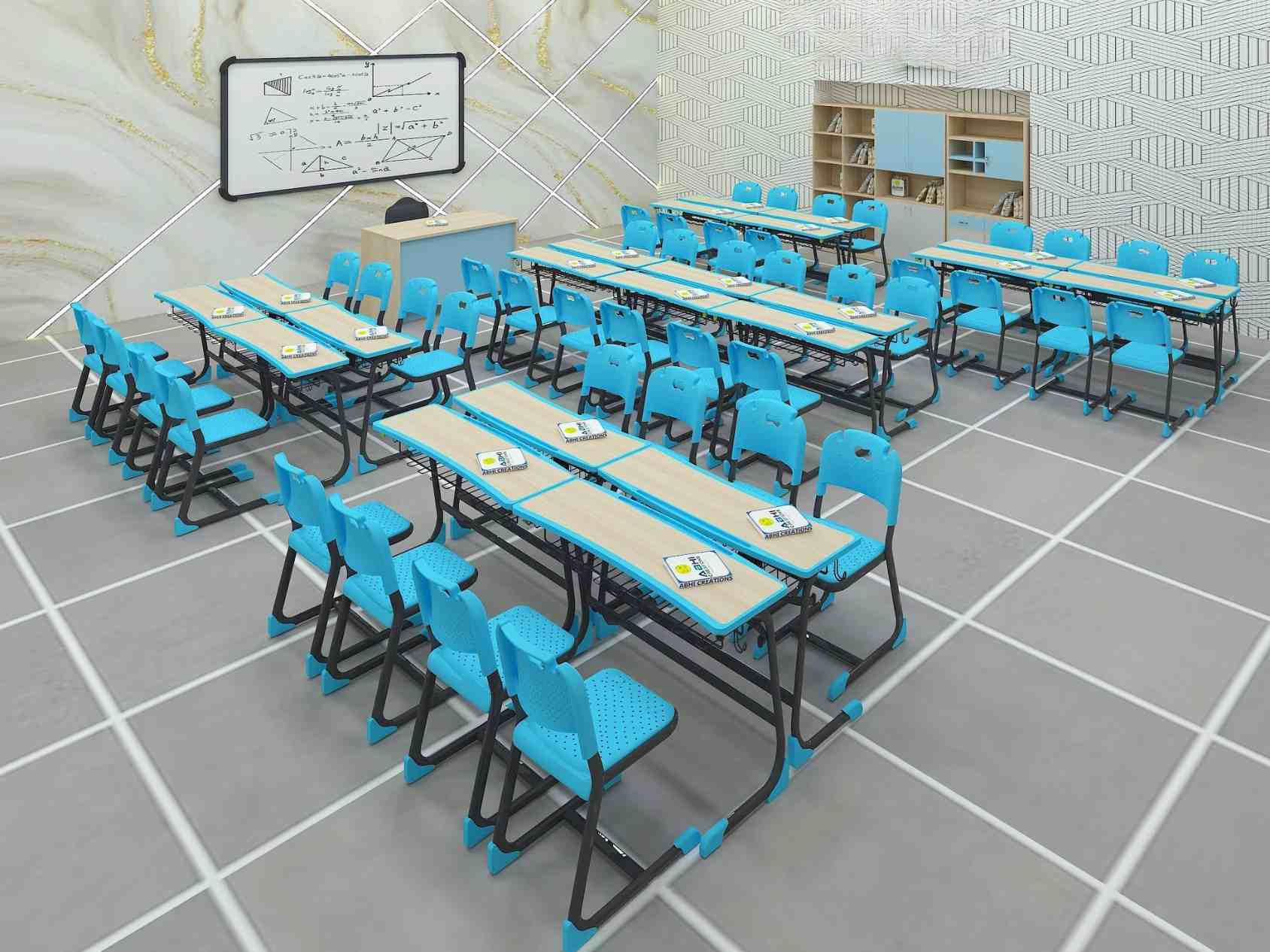
Choosing the right school furniture is one of the most important investments any educational institution can make. From classrooms and libraries to laboratories and administrative offices, furniture directly influences student comfort, learning outcomes, and the overall environment of a school.
However, many schools and institutions face a major challenge: balancing quality with affordability. Budget limitations often lead administrators to compromise on durability, ergonomics, or long-term value.
This guide will help schools, colleges, and educational institutions make smarter purchasing decisions by explaining how to select the right school furnituremanufacturer and school furniture supplier, while staying within budget.
Why School Furniture Matters More Than You Think
Furniture is not just about desks and chairs—it plays a crucial role in creating an effective learning environment.
Studies in educational ergonomics suggest that comfortable classroom furniture can improve student concentration by up to 20%. Proper seating and desk height reduce physical strain, helping students stay focused longer.
Key impacts of quality school furniture include:
- Improved student posture and health
- Increased focus and classroom engagement
- Better classroom organization
- Enhanced teacher mobility and interaction
- Longer furniture lifespan, reducing replacement costs
Schools that invest in well-designed furniture often notice improved classroom behavior and productivity.
Key Types of School Furniture Institutions Need
Before approaching a school furniture supplier, institutions should identify their core requirements.
1. Classroom Furniture
This is the backbone of any educational setup.
Typical classroom furniture includes:
- Student desks and chairs
- Dual desks and bench desks
- Teacher tables and chairs
- Storage cabinets
- Whiteboard stands
Modern classrooms increasingly prefer ergonomic and modular furniture that supports collaborative learning.
2. Library Furniture
Libraries require specialized furniture designed for comfort and organization.
Essential items include:
- Reading tables
- Library chairs
- Book racks and shelving units
- Study carrels
- Digital workstation tables
Good library furniture encourages longer reading sessions and better resource management.
3. Laboratory Furniture
Science labs require furniture designed for safety and durability.
Common lab furniture includes:
- Lab tables with chemical-resistant tops
- Lab stools
- Reagent racks
- Storage cabinets for chemicals
- Sink units
Lab furniture should be heat resistant, corrosion resistant, and easy to clean.
4. Administrative Furniture
Administrative areas require professional and functional furniture such as:
- Office desks
- Filing cabinets
- Reception counters
- Conference tables
- Visitor chairs
Factors to Consider Before Buying School Furniture
Not all furniture is created equal. Institutions should evaluate several factors before selecting a school furniture manufacturer.
1. Durability and Material Quality
School furniture undergoes heavy daily usage.
The best materials include:
- Powder-coated steel frames
- Engineered wood or plywood tops
- Laminated surfaces for scratch resistance
- Molded plastic seats for durability
Powder-coated steel frames can last 10–15 years, making them a cost-effective choice for schools.
2. Ergonomics and Student Comfort
Furniture should support proper posture and accommodate students of different age groups.
Important ergonomic considerations:
- Correct seat height
- Backrest support
- Desk height matching student age
- Adequate legroom
For example:
Age Group |
Desk Height |
Chair Height |
6–10 years |
520–580 mm |
320–350 mm |
11–14 years |
640–700 mm |
380–420 mm |
15+ years |
720–760 mm |
440–460 mm |
Proper ergonomics helps prevent long-term posture issues.
3. Space Optimization
Modern schools increasingly require space-efficient furniture.
Look for:
- Stackable chairs
- Foldable desks
- Modular classroom setups
- Multi-purpose storage units
These solutions allow schools to transform classrooms for lectures, group activities, or examinations.
4. Safety Standards
Safety should never be compromised.
High-quality school furniture must include:
- Rounded edges
- Anti-slip chair legs
- Stable frames
- Non-toxic finishes
Many reputable school furniture manufacturers follow international safety standards such as ISO and BIS certifications.
How to Choose the Right School Furniture Manufacturer
Selecting the right manufacturer determines the long-term value of your investment.
Here are some important criteria.
1. Manufacturing Experience
An experienced school furniture manufacturerunderstands the unique requirements of educational institutions.
Look for companies with:
- At least 5–10 years of industry experience
- Proven projects with schools and colleges
- Product customization options
2. Customization Capabilities
Every school has different needs based on:
- Classroom size
- Student capacity
- Teaching style
- Budget
A good manufacturer should offer:
- Custom desk sizes
- School branding options
- Color variations
- Layout consultation
Customization helps create a consistent school identity.
3. Quality Certifications
Reliable manufacturers maintain strict quality standards.
Important certifications include:
- ISO 9001 (Quality Management)
- ISO 14001 (Environmental Management)
- BIS standards
These certifications indicate reliable manufacturing practices.
Choosing the Best School Furniture Supplier
While manufacturers produce furniture,school furniture suppliers handle logistics, delivery, and installation.
A reliable supplier should provide:
Timely Delivery
Delayed furniture can disrupt school operations. Suppliers should maintain consistent delivery timelines.
Installation Support
Professional installation ensures:
- Proper assembly
- Correct classroom layout
- Safe usage
After-Sales Service
Look for suppliers that offer:
- Warranty coverage
- Repair support
- Replacement parts
A trustworthy school furniture supplier acts as a long-term partner for the institution.
Cost vs Value: How Schools Can Save Money
Many schools focus only on upfront cost, but the total cost of ownership is far more important.
Example Cost Comparison
Furniture Type |
Cheap Option |
Quality Option |
Lifespan |
2–3 years |
10–12 years |
Maintenance |
High |
Low |
Replacement Cost |
Frequent |
Rare |
Although high-quality furniture costs more initially, it reduces long-term expenses by up to 40%.
Sustainable and Eco-Friendly School Furniture
Sustainability is becoming an important consideration for educational institutions.
Eco-friendly furniture options include:
- FSC-certified wood materials
- Recyclable metal frames
- Low VOC finishes
- Modular repairable designs
Sustainable furniture supports environmental education while reducing waste.
Expert Tips for Bulk School Furniture Purchases
If you’re purchasing furniture for a new school or campus expansion, follow these expert recommendations.
1. Conduct a Classroom Layout Study
Measure classroom dimensions before placing orders to avoid space issues.
2. Request Product Samples
Always inspect a sample desk or chair before committing to bulk orders.
3. Compare Multiple Suppliers
Evaluate at least 3–4 school furniture suppliers to compare price, quality, and service.
4. Negotiate Bulk Discounts
Large orders often qualify for 10–20% pricing reductions.
Frequently Asked Questions (FAQs)
What is the best material for school furniture?
Powder-coated steel frames combined with laminated wooden tops are considered the most durable and cost-effective materials.
How long should school furniture last?
High-quality school furniture typically lasts 10–15 years with proper maintenance.
How do I choose a reliable school furniture manufacturer?
Check their experience, certifications, product quality, customization options, and past institutional projects.
Why is ergonomic school furniture important?
Ergonomic furniture improves posture, reduces fatigue, and increases student focus during long study hours.
Conclusion
Investing in the right school furniture is essential for creating a productive and comfortable learning environment. Institutions that prioritize durability, ergonomics, and reliable suppliers gain long-term value while improving the educational experience.
By choosing a trusted school furniture manufacturer and partnering with a dependable school furniture supplier schools can ensure quality, affordability, and sustainability.
Remember, the goal is not just to fill classrooms with desks and chairs—but to build an environment where students can learn, grow, and succeed comfortably.
Looking for high-quality and affordable school furniture for your institution?
Partner with an experienced school furniture manufacturer and supplier that understands the needs of modern educational spaces.
Contact us today to get customized solutions for classrooms, libraries, and laboratories.
Visit: https://www.abhicreations.com/