After Fat Dissolving Injections: Recovery Timeline, Aftercare, and Safety Tips
-

- February 23rd, 2026
- 1,254 views
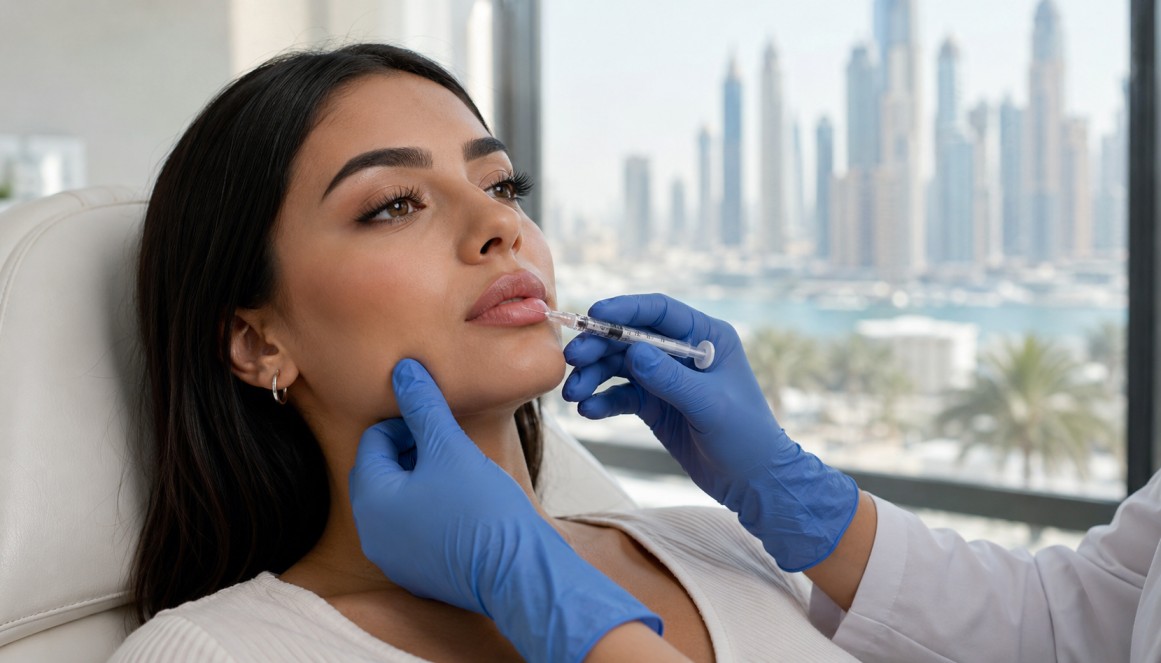
Fat dissolving injections are minimally invasive treatments used to reduce small areas of localized fat, commonly under the chin or along the jawline. Knowing what to do after fat dissolving injections can help manage side effects, support healing, and improve the chances of a satisfactory cosmetic outcome.
- Expect swelling, bruising, numbness, and tenderness for several days to weeks.
- Immediate aftercare focuses on ice, gentle activity, and avoiding heat and alcohol.
- Watch for signs of infection or severe reaction and contact a licensed clinician if concerned.
- Follow scheduled follow-up and lifestyle recommendations to support results.
What to expect after fat dissolving injections
Common short-term responses include swelling, bruising, redness, firmness, tenderness, and temporary numbness in the treated area. These effects are part of the inflammatory process triggered by the injected agent and can peak within 24–72 hours. Mild flu-like symptoms such as fatigue or low-grade fever are reported less often. Most routine side effects gradually improve over days to weeks, while full cosmetic results may take several weeks to months as the body clears treated fat cells.
Immediate aftercare (first 24–48 hours)
Ice and comfort
Apply a cold compress for short periods (10–15 minutes every hour while awake) during the first 24–48 hours to reduce swelling and discomfort. Use a clean barrier (cloth) between the ice and skin.
Avoid heat and vigorous activity
Avoid hot baths, saunas, steam rooms, and intense exercise for at least 24–48 hours or as advised by the treating clinician. Heat and heavy exertion can increase swelling and prolong inflammation.
Medications and pain control
Over-the-counter analgesics such as acetaminophen can relieve mild discomfort. Nonsteroidal anti-inflammatory drugs (NSAIDs) may increase bruising; follow the clinician’s instructions. Do not start new prescription medications without consulting the provider.
First week: monitoring and gentle care
Gentle movement and sleep position
Light activity is encouraged to maintain circulation, but avoid strenuous exercise until cleared. Sleeping with the head slightly elevated may help reduce facial swelling.
Lymphatic support
Gentle lymphatic massage may be suggested by the clinician to support fluid drainage. Only perform techniques demonstrated or approved by a licensed professional to avoid irritation or injury.
Skin care and hygiene
Keep the treated area clean. Use mild cleansers and avoid aggressive exfoliation, chemical peels, or facial treatments until the provider confirms it is safe.
Weeks 2–6: results and follow-up
Swelling and firmness typically continue to settle during this period. Some improvement in contour is often visible within a few weeks, though final results can take up to 12 weeks or longer depending on the product used and individual response. A scheduled follow-up visit allows the clinician to assess progress, determine whether additional treatments are needed, and address any questions.
Recognizing complications and when to contact a clinician
Most reactions are mild and self-limited. Contact the treating practitioner promptly if any of the following occur: increasing or severe pain, spreading redness, warmth or drainage from the injection site, persistent fever, signs of allergic reaction (hives, difficulty breathing), new numbness lasting beyond the expected recovery period, or any other concerning change. These may indicate infection, vascular compromise, or an atypical inflammatory response that requires professional assessment.
Regulatory bodies and professional societies provide guidance on safety and approved uses for injectables. For example, the U.S. Food and Drug Administration (FDA) has information on injectable products and safety considerations for clinicians and patients: FDA: Dermal fillers and injectable products.
Tips to help optimize results
- Follow the clinician’s written aftercare instructions and attend scheduled follow-up visits.
- Avoid alcohol and smoking for at least 48–72 hours, as they can increase bruising and slow healing.
- Maintain a stable weight and healthy diet; large weight fluctuations can affect contouring outcomes.
- Consider sun protection—UV exposure may worsen post-treatment hyperpigmentation in some individuals.
- Be patient: cellular processes that remove treated fat take time, and multiple sessions may be recommended for optimal contouring.
Choosing a qualified provider
Procedures should be performed by licensed clinicians who are experienced with injectable treatments, understand facial anatomy, and can manage complications. Check professional credentials, ask about the specific product being used, request before-and-after photos, and confirm that the setting adheres to local regulations and safety standards. National medical boards and specialty societies can provide information on training standards and credential verification.
Frequently asked questions
How long do swelling and bruising last after fat dissolving injections?
Swelling and bruising commonly peak within the first 48–72 hours and then gradually improve over 1–2 weeks. Some firmness or numbness may persist longer. Individual recovery varies by treatment area, product, and personal healing response.
Can exercise be resumed after fat dissolving injections?
Light activity is usually acceptable within 24–48 hours, but strenuous exercise, heavy lifting, and activities that increase facial blood flow should be avoided for the time period recommended by the treating clinician—often 48–72 hours.
Are repeat sessions of fat dissolving injections necessary?
Multiple sessions are commonly needed to achieve the desired contour, depending on the amount of fat in the area and individual response. The treating clinician can recommend an appropriate treatment plan during consultation and follow-up.
When should a clinician be contacted after fat dissolving injections?
Contact the treating provider promptly for worsening pain, increasing redness or swelling, drainage, fever, signs of allergic reaction, or any sudden changes in skin color or sensation. Early evaluation helps identify and manage complications.
Is special skin care required after fat dissolving injections?
Basic gentle skin care and sun protection are sufficient for most people. Avoid aggressive facial treatments (peels, lasers, deep exfoliation) until the clinician confirms the skin has healed and it is safe to resume those procedures.
Disclaimer: This article provides general information about aftercare and recovery. It does not replace consultation with a licensed medical professional. For clinical advice tailored to individual health needs and treatment plans, consult the treating clinician or a qualified healthcare provider.