How Can AI Debt Collection Software Improve Modern Debt Recovery
-

- Published Updated
- 2,255 views
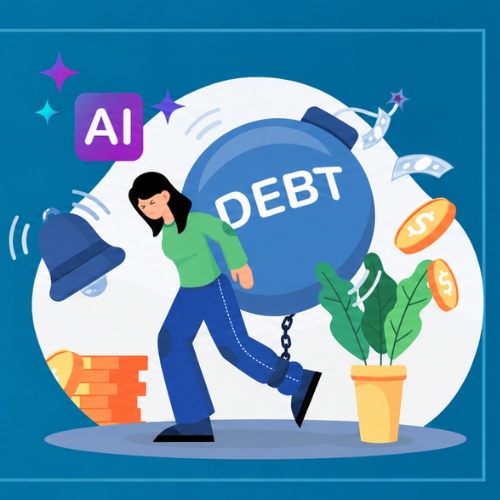
Debt collection has traditionally depended on repeated phone calls, manual follow-ups, spreadsheets, disconnected systems, and large collection teams. As lending volumes grow, these methods can make it difficult for lenders to maintain consistent communication with every borrower.
Modern collection platforms can automate routine borrower communication, manage follow-ups, identify customer intent, share payment information, and connect conversations with existing systems. Instead of replacing collection teams, the technology can handle repetitive interactions while human agents concentrate on complicated cases that require judgment and personal attention.
For banks, NBFCs, fintech companies, and other lenders, this approach can create a more structured collection process while improving the borrower experience.
What Is AI Debt Collection Software?
AI debt collection software is technology designed to automate and support different stages of the debt recovery process using artificial intelligence, conversational systems, automation, and data-driven workflows.
Rather than relying on one communication method, modern platforms can coordinate conversations across channels such as phone calls, WhatsApp, SMS, and email.
For example, a borrower may receive a payment reminder, respond to the message, request a callback, speak with a voice agent, and receive a payment link without requiring a collection executive to manually coordinate every step.
The system can also record important information from conversations, such as payment intentions, disputes, requested callbacks, or repayment commitments.
This creates a more connected collection workflow.
Why Are Traditional Debt Collection Methods Becoming Difficult to Scale?
Manual collections can work when account volumes are manageable. However, as the number of borrowers increases, several operational challenges appear.
Collection teams may need to:
- Make large numbers of outbound calls
- Track repayment commitments
- Schedule callbacks
- Send payment reminders
- Update customer records
- Follow up with borrowers
- Handle different borrower languages
- Escalate complicated cases
- Maintain records of customer conversations
- Managing these activities manually can create inconsistencies.
One borrower may receive several follow-ups while another may be missed. Important notes can remain in separate systems, and collection executives may spend considerable time performing administrative tasks instead of speaking with customers.
AI-powered workflows can reduce these gaps by automating repetitive activities and keeping customer interactions organized.
How Does AI Debt Collection Software Work?
The exact workflow depends on the platform and lender's requirements, but the general process is straightforward.
First, the system receives relevant account information from the lender's existing systems.
It can then determine which customers require communication and what type of follow-up is appropriate.
The platform can initiate a phone call or digital message and respond based on the borrower's interaction.
If the borrower says they will make the payment later, the system can record the commitment and schedule a follow-up.
If the borrower raises a dispute or presents a complicated situation, the interaction can be directed to a human collection professional.
This combination of automation and human involvement allows routine conversations to be handled efficiently while more sensitive situations receive appropriate attention.
What Tasks Can AI Automate in Debt Collection?
One of the biggest advantages of AI debt collection software is its ability to handle repetitive collection activities.
Common use cases include:
Payment Reminders
Automated voice or digital reminders can inform borrowers about upcoming or overdue payments.
Follow-Up Calls
Instead of relying entirely on collection executives to remember every callback, automated systems can schedule and initiate follow-ups.
Promise-to-Pay Tracking
When a borrower agrees to make a payment at a particular time, the system can capture the commitment and use it for future follow-up.
Payment Link Sharing
Digital communication can make it easier to provide borrowers with relevant payment options during or after an interaction.
Customer Intent Detection
AI can analyze conversations to understand whether a borrower intends to pay, needs additional time, has a dispute, or requires human assistance.
Multilingual Communication
Lenders serving diverse customer groups can use multilingual voice and messaging capabilities to communicate in the borrower's preferred language.
Escalation
Cases involving disputes, complaints, sensitive situations, or other complex issues can be transferred to human agents.
Can AI Make Debt Collection More Personalized?
Yes. Automation does not necessarily mean sending the same message to every borrower.
A modern collection system can use available account and conversation information to determine the appropriate communication approach.
For example, a borrower who has previously requested a callback may receive a scheduled follow-up rather than another generic reminder.
Similarly, customers who indicate that they are ready to pay can be guided toward the appropriate payment process, while borrowers who raise concerns can be routed toward human assistance.
This makes communication more contextual and reduces the reliance on one generic script for every account.
According to Weya AI's debt collection use case, its voice agents can handle high-volume reminder and recovery calls, share payment links, and update systems so human collectors can focus on complex or high-risk accounts.
How Does AI Debt Collection Software Help Collection Teams?
The goal is not simply to make more calls.
The bigger opportunity is to help collection teams spend their time where it matters most.
Routine activities such as reminders, callbacks, and basic repayment conversations can be automated. Human agents can then concentrate on disputes, negotiations, escalations, and customers requiring additional support.
This division of work can improve operational efficiency.
It can also help collection managers gain better visibility into customer interactions because conversations, repayment commitments, and follow-up activities can be captured within a structured workflow.
What Role Does Voice AI Play in Debt Collection?
Voice remains important because many borrowers prefer speaking rather than navigating complicated digital processes.
Voice AI allows automated agents to conduct natural-language conversations over the phone. Instead of simply playing a recorded reminder, the system can respond to what the borrower says and continue the conversation based on their intent.
For example:
Agent: “Your payment is currently pending. Would you like to make the payment today?”
Borrower: “I can pay tomorrow.”
The system can understand the response, capture the repayment intention, and schedule an appropriate follow-up.
Weya AI's platform also highlights automatic rescheduling, WhatsApp and SMS follow-ups, CRM integrations, and cross-channel memory for automated calling workflows.
Can AI Debt Collection Software Support Multiple Communication Channels?
Yes.
Modern collection strategies increasingly combine voice and digital channels instead of depending entirely on telephone calls.
A borrower might receive an initial SMS, continue the conversation through WhatsApp, receive a phone call when needed, and later receive payment information digitally.
An omnichannel approach can make communication more convenient while giving collection teams greater visibility into the overall customer journey.
It also allows lenders to choose the right channel for different stages of the collection process.
How Can AI Improve Collection Efficiency?
Efficiency comes from reducing repetitive manual work and improving consistency.
AI debt collection software can help organizations:
Automate repetitive borrower outreach
Maintain consistent follow-up schedules
Reduce missed callbacks
Capture conversation outcomes
Track repayment commitments
Coordinate multiple communication channels
Route complex cases to human agents
Connect collection workflows with existing systems
The result is a collection operation that can manage larger volumes without requiring every interaction to be handled manually.
The technology can also provide managers with useful operational information about call outcomes, customer responses, and collection activity.
What Should Lenders Look for in AI Debt Collection Software?
Choosing the right platform requires more than checking whether it offers an AI chatbot or automated calling.
Lenders should consider several factors.
CRM and System Integration
The software should work with existing collection, CRM, loan management, and communication systems.
Natural Conversations
For voice-based collections, conversations should be responsive and capable of handling interruptions, different responses, and varied customer language.
Multilingual Support
Organizations serving customers across different regions should consider whether the platform supports the languages they need.
Human Handoff
There should be a clear mechanism for transferring complicated conversations to human collection teams.
Workflow Customization
Different lenders have different collection policies, customer segments, and escalation rules. The platform should allow workflows to be configured accordingly.
Reporting and Analytics
Managers need visibility into calls, repayment commitments, follow-ups, outcomes, and other collection metrics.
Data Security
Because debt collection involves sensitive financial and customer information, organizations should carefully evaluate security, privacy, access controls, and compliance requirements.
Is AI Debt Collection Software Replacing Human Collectors?
Not necessarily.
The strongest model is often a combination of automation and human expertise.
AI can handle repetitive conversations and routine follow-ups, while human collectors can manage negotiations, disputes, complaints, and other situations where empathy and judgment are important.
This approach can make the collection team more productive without removing the human element from financial conversations.
Weya AI positions its debt collection solution around this model by allowing automated agents to manage high-volume interactions while human collectors focus on complex and higher-risk accounts.
What Is the Future of AI-Powered Debt Collection?
Debt collection is moving toward more connected, conversational, and data-driven workflows.
Instead of treating every borrower the same way, future collection systems will increasingly combine customer information, conversation history, payment behavior, and communication preferences to determine the next appropriate action.
Voice, WhatsApp, SMS, email, CRM systems, and payment workflows can become part of a single collection ecosystem.
The objective is not simply to automate calls. It is to create a smoother process in which the right customer receives the right communication at the right stage, while human teams remain available when their expertise is required.
Conclusion
AI debt collection software is changing how lenders approach borrower communication and recovery operations.
By automating reminders, follow-ups, repayment conversations, payment link sharing, and routine interactions, organizations can reduce repetitive workloads and create more consistent collection processes.
The greatest value comes when automation works alongside human expertise. Routine conversations can be managed automatically, while collection professionals focus on disputes, negotiations, escalations, and higher-risk accounts.
For lenders looking to modernize their collection operations, the right AI-powered platform can become an important part of a scalable, connected, and customer-focused recovery strategy.
FAQs
What is AI debt collection software?
AI debt collection software uses artificial intelligence, conversational technology, and workflow automation to help lenders manage borrower communication, payment reminders, follow-ups, repayment commitments, and collection activities.
How does AI help with debt collection?
AI can automate repetitive communication, understand borrower responses, track repayment commitments, schedule follow-ups, and route complex cases to human collection teams.
Can AI debt collection software make phone calls?
Yes. Voice-enabled platforms can conduct automated collection calls, respond to borrower statements, capture outcomes, and initiate follow-up actions based on the conversation.
Can AI handle multilingual debt collection?
Many modern voice AI platforms support multiple languages, allowing lenders to communicate with borrowers in their preferred language. The exact languages supported depend on the platform.
Can AI share payment links with borrowers?
Yes. Depending on the platform's integrations and workflow configuration, automated agents can share payment links through supported communication channels.
Does AI debt collection software replace human agents?
No. It can reduce repetitive work and allow human collection professionals to focus on complex cases, disputes, negotiations, and sensitive customer interactions.
Can AI debt collection software integrate with a CRM?
Yes. Integration with CRM, loan management, telephony, and other systems can allow customer information and interaction outcomes to move between systems automatically.
Is AI debt collection software suitable for banks and NBFCs?
Yes. It can be useful for banks, NBFCs, fintech lenders, and other organizations managing high volumes of borrower communication and repayment follow-ups, provided the platform meets their operational, security, and compliance requirements.