Why Your Air Ducts Get Dirtier After Renovation (And How to Fix It Fast)
-

- Published Updated
- 8,837 views
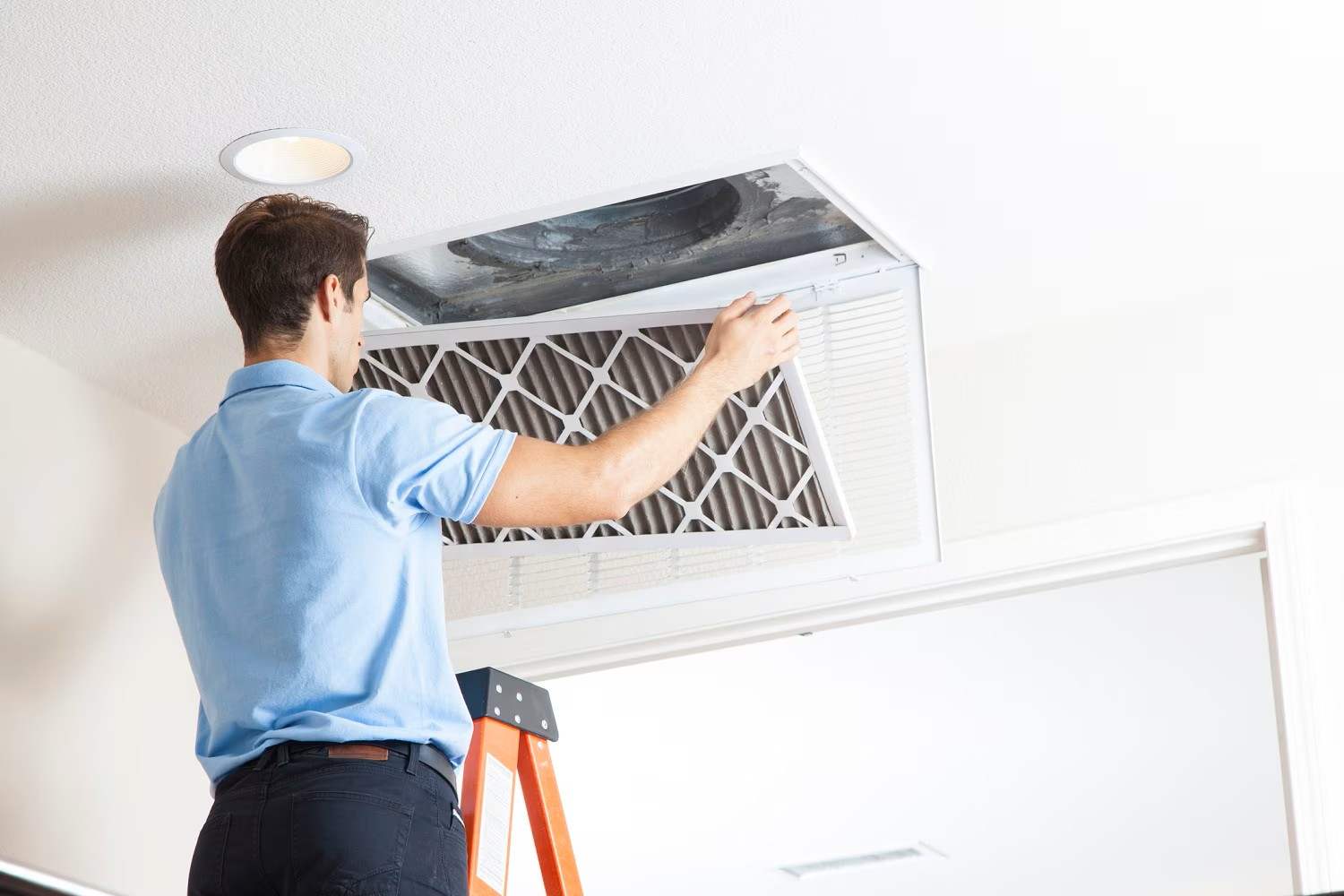
Renovating your home feels like a fresh start. New paint, new floors, maybe even new walls. But there’s one problem most homeowners don’t notice right away — your air ducts often become much dirtier after renovation.
During construction, fine dust from drywall, wood, insulation, and debris spreads everywhere. Even if your contractor cleans up properly, tiny particles stay in the air and get pulled into your HVAC system. Once inside, they settle deep into your ductwork.
Every time you turn on your system, that dust gets pushed back into your home. This creates a cycle where your house keeps getting dusty no matter how much you clean.
What Kind of Dust Enters Your Duct System
Renovation dust isn’t normal household dust. It’s much more harmful and harder to remove.
Here’s what typically ends up inside your ducts:
- Drywall dust (very fine and powdery)
- Sawdust from wood cutting
- Paint particles and chemical residue
- Insulation fibers
- Cement and tile dust
These particles are extremely small. That means they can travel deep into your duct system and stay there for months if not cleaned.
Signs Your Air Ducts Are Dirty After Renovation
You don’t always see the problem right away. But your home will start giving you clues.
Look for these signs:
- Dust settles again within hours after cleaning
- Air vents blow out visible particles
- Increased allergies or breathing issues
- Musty or “construction-like” smell
- HVAC system running less efficiently
If you notice even two of these, your ducts are likely contaminated.
Why This Is a Bigger Problem Than You Think
Many homeowners ignore this, thinking regular cleaning is enough. It’s not.
Dirty ducts after renovation can cause:
Poor Indoor Air Quality
You end up breathing in construction dust daily. This can irritate lungs and trigger allergies.
Higher Energy Bills
Dust buildup restricts airflow. Your HVAC system works harder, using more energy.
Damage to Your HVAC System
Fine particles can clog filters and damage internal components over time.
Constant Cleaning Frustration
No matter how often you clean, dust keeps coming back.
The “Dust Recirculation Cycle” Explained
Here’s what actually happens inside your home:
- Renovation dust enters air ducts
- HVAC system turns on
- Dust spreads into rooms
- Dust settles on surfaces
- System pulls dust back into ducts
This loop continues again and again.
Until you clean the ducts, the problem won’t stop.
How to Fix Dirty Air Ducts After Renovation
Now let’s talk about the real solution.
Step 1 — Replace Your Air Filters Immediately
Your HVAC filter is the first line of defense. After renovation, it’s usually clogged.
Change it right away and consider using a high-quality filter.
Step 2 — Clean Visible Vents and Registers
Remove vent covers and clean them thoroughly. This helps reduce surface-level dust.
Step 3 — Schedule Professional Air Duct Cleaning
This is the most important step.
DIY cleaning cannot reach deep inside your duct system. Professionals use specialized equipment to remove trapped dust safely and completely.
Step 4 — Run Your HVAC System After Cleaning
Once ducts are cleaned, run your system to flush out any remaining particles.
Step 5 — Consider an Air Purifier
An air purifier helps capture leftover particles and improves indoor air quality faster.
Can You Clean Air Ducts Yourself?
Short answer: not effectively.
You can clean vents and replace filters, but deep duct cleaning requires professional tools. Without them, most dust stays inside the system.
Trying DIY methods can also push dust further into the ducts instead of removing it.
How Soon Should You Clean Ducts After Renovation?
Ideally, immediately after the renovation is complete.
Waiting too long allows dust to spread and settle deeper into your system. The sooner you act, the easier it is to fix the problem.
How Much Does Post-Renovation Air Duct Cleaning Cost?
Costs vary depending on home size and system complexity.
On average:
- Small homes: $300 – $500
- Medium homes: $500 – $800
- Large homes: $800+
While it may seem like an extra expense, it actually saves money by improving HVAC efficiency and reducing future repairs.
Pro Tips to Prevent This Problem in Future Renovations
If you’re planning another renovation, do this:
- Seal air vents during construction
- Turn off HVAC system when possible
- Use dust barriers in work areas
- Clean thoroughly before turning system back on
These steps can reduce contamination significantly.
Final Thoughts
Renovations improve your home, but they can quietly damage your air quality if you’re not careful. Dirty air ducts are one of the most overlooked problems after construction, yet they affect your comfort every day.
If your home feels dusty no matter what you do, your duct system is likely the reason.
Getting your ducts professionally cleaned is the fastest way to restore clean air, improve efficiency, and stop the dust cycle for good.
At AAA Air Duct Cleaning, we specialize in post-renovation duct cleaning. Our team uses advanced equipment to remove deep dust buildup and help you breathe clean air again. If you’ve recently renovated your home, now is the best time to get your system checked and cleaned properly.