Complete Guide to Air Duct Cleaning Service: Improve Indoor Air Quality and Home Health
-
- May 03rd, 2026
- 346 views
An air duct cleaning service can reduce dust, improve HVAC efficiency, and lower allergen levels when ducts are genuinely contaminated. This guide explains what a professional service does, the duct cleaning benefits homeowners can expect, rough air duct cleaning cost ranges, and a practical checklist for evaluating providers.
- What it is: Cleaning HVAC ductwork and components to remove dust, debris, and biological growth.
- Main benefits: improved indoor air quality, potential energy savings, and reduced dust on surfaces.
- When to consider: visible mold, pest infestation, excessive dust after renovations, or persistent allergies.
- Checklist provided: the CLEAN DUCTS framework for hiring and evaluating services.
Detected intent: Informational
Air Duct Cleaning Service: What It Is and Why It Matters
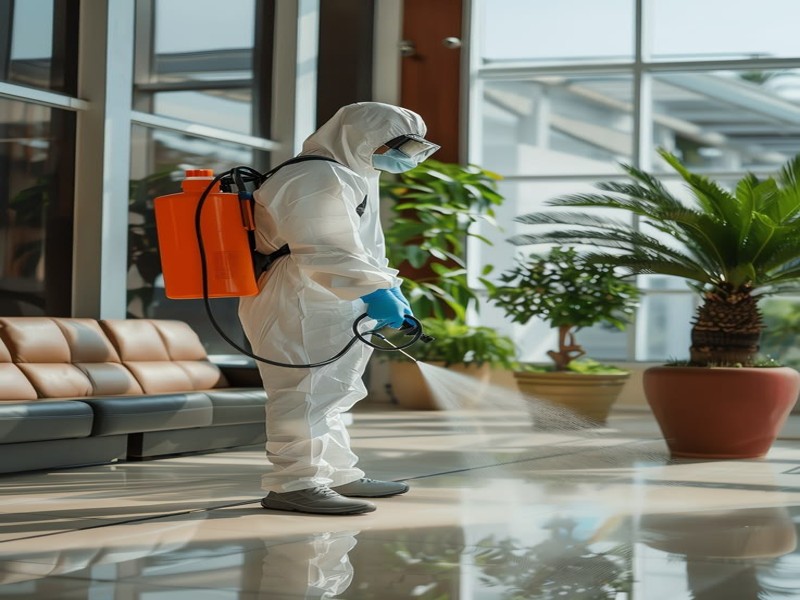
An air duct cleaning service involves inspecting and cleaning the HVAC system's ducts, registers, coils, and blower assembly to remove accumulated dust, debris, and biological contaminants. Properly performed cleaning focuses on accessibility, containment, and the use of mechanical agitation and vacuum systems to remove particulate matter without dispersing it into occupied spaces. The primary goal is to support healthier indoor air quality and improve system performance when ducts are actually contaminated.
How Duct Cleaning Works and What to Expect
Scope of work
A typical service inspects the system, cleans supply and return ducts, vacuum-seals the system, and, where needed, cleans the heat exchanger, fan, and coils. HVAC components such as filters and register screens are checked and often replaced or recommended for replacement. The service may use rotary brushes, air whips, and negative-pressure HEPA vacuums.
Signs that cleaning may be useful
- Visible mold growth inside duct openings or on other HVAC components.
- Persistent, heavy dust or debris that returns soon after cleaning surfaces.
- Pest infestation traces in ductwork.
- Recent major renovation that released building dust into the system.
Realistic Benefits and Trade-offs: duct cleaning benefits vs expectations
Expect fewer settled particles and reduced odor sources when ducts are contaminated, but cleaning does not guarantee allergy relief for every household. Guidance from the U.S. Environmental Protection Agency (EPA) notes that routine duct cleaning has not been shown to prevent health problems in most homes; targeted cleaning is more effective when contamination is present. EPA: Should you have the air ducts in your home cleaned?
Common trade-offs and mistakes
- Hiring a low-cost, uncredentialed provider can damage ducts or push debris further into the system.
- Cleaning without addressing root causes—such as poor filtration, moisture intrusion, or leaks—leads to rapid recontamination.
- Overpromising results: cleaning is not a substitute for good filtration and humidity control.
The CLEAN DUCTS framework: A checklist for choosing a service
Use this named checklist to evaluate providers and plan a service. CLEAN DUCTS is a practical mnemonic covering key evaluation points.
- Credentials — Verify licensing, business insurance, and technician training.
- List of services — Confirm what is included (registers, main trunk, coils, blower, etc.).
- Equipment — Ask about HEPA-rated vacuums, negative-pressure containment, and agitation tools.
- Assessment — Request a pre-clean inspection and a post-clean report with photos.
- Nails-down pricing — Get a written estimate and clarification on add-ons.
- Duct condition plan — Confirm repair recommendations for leaks or mold remediation steps.
- User references — Check recent reviews or ask for local references.
- Communication — Ensure clear scheduling, containment, and cleanup expectations.
- Timeframe — Understand how long the job will take and the disruption expected.
- Safety — Verify COVID-19, respirator, and fall-protection practices as relevant.
Air duct cleaning cost and budgeting
Air duct cleaning cost varies by home size, system complexity, and contamination level. For a typical single-family home, expect a range rather than a flat rate: minor cleanings might fall near the low end, while full-system cleanings that include coils and blower assemblies cost more. Clarify whether the estimate includes travel, post-clean inspection, and any necessary repairs.
Real-world example: A suburban allergy scenario
Scenario: A household reported increased allergy symptoms each spring despite using high-quality furnace filters. A targeted inspection revealed dusty return plenums and a clogged blower compartment. A professional cleaning using the CLEAN DUCTS framework removed the accumulated dust and the technician recommended sealing duct joints and upgrading to MERV 8–11 filtration. Over the following months, settled dust on furniture decreased and seasonal symptoms became less pronounced, attributed to combined cleaning, filtration upgrades, and addressing leaks.
Practical tips: 5 actionable steps before and after cleaning
Practical tips
- Document and photograph visible issues before hiring a provider; request photos after completion.
- Replace HVAC filters right before cleaning to reduce recontamination and then again within 30 days.
- Seal or close registers in rooms that do not require access and label them to avoid accidental removal.
- Ask for HEPA-rated vacuum equipment and negative-pressure containment to minimize dust spread.
- Combine duct cleaning with improvements: fix leaks, control humidity, and upgrade filters for lasting results.
When to skip cleaning or seek alternatives
Routine cleaning of otherwise clean ducts is rarely necessary. Alternatives include improving filtration (higher MERV ratings suited to the HVAC system), addressing moisture and mold sources, and scheduling regular maintenance for the HVAC unit. For suspected mold, consult a qualified indoor air quality professional or follow public-health guidance before proceeding with cleaning.
Core cluster questions for internal linking and further reading
- How often should residential air ducts be cleaned?
- What are the best HVAC filters to reduce indoor allergens?
- How does duct sealing impact HVAC efficiency and air quality?
- What are common signs of mold in ductwork and recommended remediation steps?
- How to evaluate an HVAC contractor for duct cleaning and related repairs?
Final checklist and closing advice
Before committing to an air duct cleaning service, verify credentials, confirm the scope with the CLEAN DUCTS checklist, and prioritize fixes that address root causes like leaks, poor filtration, or moisture. Cleaning delivers the most value when targeted to real contamination; otherwise, focus on preventive measures that maintain cleaner air long-term.
FAQ
Is an air duct cleaning service necessary for my home?
Not always. Consider a service when there is visible mold, pest activity, excessive dust after construction, or persistent HVAC performance issues. For routine maintenance without those issues, prioritize filtration and HVAC servicing.
How often should air ducts be cleaned?
There is no one-size-fits-all interval. Many homes need cleaning only every several years unless contamination events occur. Inspections every 2–3 years can identify when cleaning is justified.
Will cleaning remove mold completely from my ducts?
Cleaning can remove visible mold growth on accessible components, but underlying moisture sources must be fixed. For substantial mold, coordinated remediation that follows local public-health guidance is required.
What is the typical air duct cleaning cost?
Costs depend on home size, system complexity, and contamination. Obtain multiple written estimates and ensure the price includes the scope defined in the CLEAN DUCTS checklist.
Can an air duct cleaning service improve allergy symptoms?
Cleaning can reduce settled dust and some allergens when ducts are contaminated, but combined approaches—better filtration, humidity control, and source control—provide more reliable symptom relief for occupants.