Why Your Old Florida Home Might Be a Breeding Ground for Mold
-

- Published Updated
- 204 views
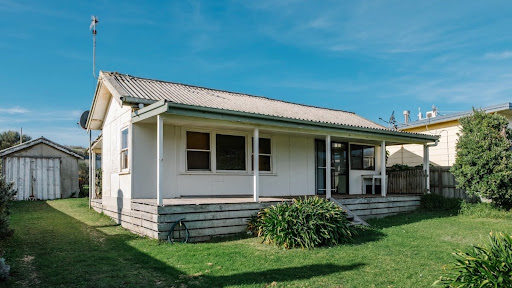
If you live in an older Florida home, you probably already know it has its charms. From those big wide porches, solid wood details, and that lived-in feel you don’t get in new construction. But a lot of these houses also come with hidden problems that make mold way more likely to show up. Florida’s hot, humid climate doesn’t help much at all, and when you mix that with older building materials and systems, you’ve got a perfect setup for mold growth.
Moisture Problems in Older Florida Homes
Older Florida homes, especially those built before the 1980s, were often constructed with very different ideas about moisture control than the ones used in modern homes today. At that time, builders did not always have the same understanding of how humidity, water intrusion, and ventilation could affect a home over many years. Features such as proper vapor barriers, drainage systems, air sealing, and adequate ventilation were not always installed or designed to today’s standards. Florida’s hot, humid climate makes these details especially important because moisture can build up inside walls, ceilings, attics, and other hidden areas. What may have seemed like a small construction issue decades ago can gradually become a much larger problem as the home ages.
Over the years, normal wear and tear can create even more opportunities for moisture to enter the house. A roof that has been repaired or patched several times may eventually develop weak spots, while older windows and doors can lose their seals and allow rainwater to seep through during heavy storms. Cracks in stucco, damaged siding, deteriorating caulking, and gaps around vents or exterior penetrations can also provide easy pathways for water. In Florida, where homes regularly experience intense rainfall, strong winds, tropical storms, and hurricanes, these small openings can allow significant amounts of moisture inside. Once water gets behind exterior surfaces, it may remain trapped for long periods, particularly when the wall system does not have enough ventilation or drainage.
The real concern is that moisture damage is not always immediately visible. Water can slowly move behind walls, beneath flooring, or into attic spaces, where it can contribute to wood deterioration, staining, unpleasant odors, and mold growth. In some cases, homeowners may notice only minor signs, such as peeling paint, bubbling drywall, discolored ceilings, or a musty smell, without realizing that a larger moisture problem is developing behind the surface. This is why older Florida homes often require closer attention to areas where water may enter or become trapped. Identifying roof leaks, window failures, stucco cracks, drainage problems, and ventilation issues early can help prevent minor moisture intrusion from turning into expensive structural or interior damage.
Many older Florida homes sit on raised foundations or have crawl spaces that trap damp air. Without having really good ventilation or vapor barriers, moisture builds up underneath and rises into the floors and walls. We’ve heard from plenty of residents with homes from the 50s and 60s who suddenly smell that brutal musty odor coming from the floors after a rainy season. Termites and wood rot, which are common here, make things even worse because damaged wood holds moisture longer and gives mold something to eat.
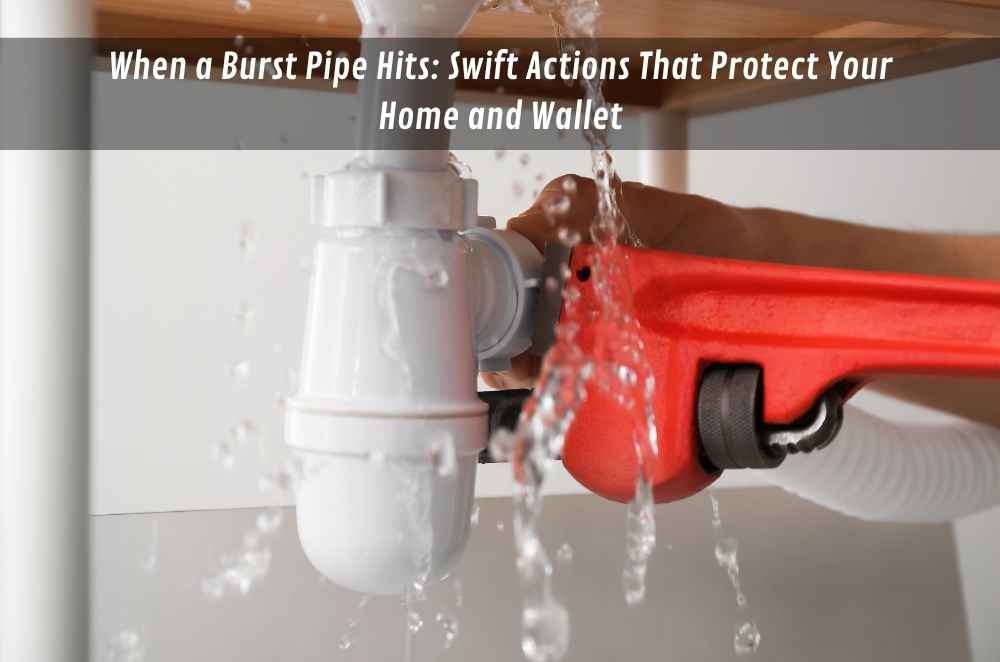
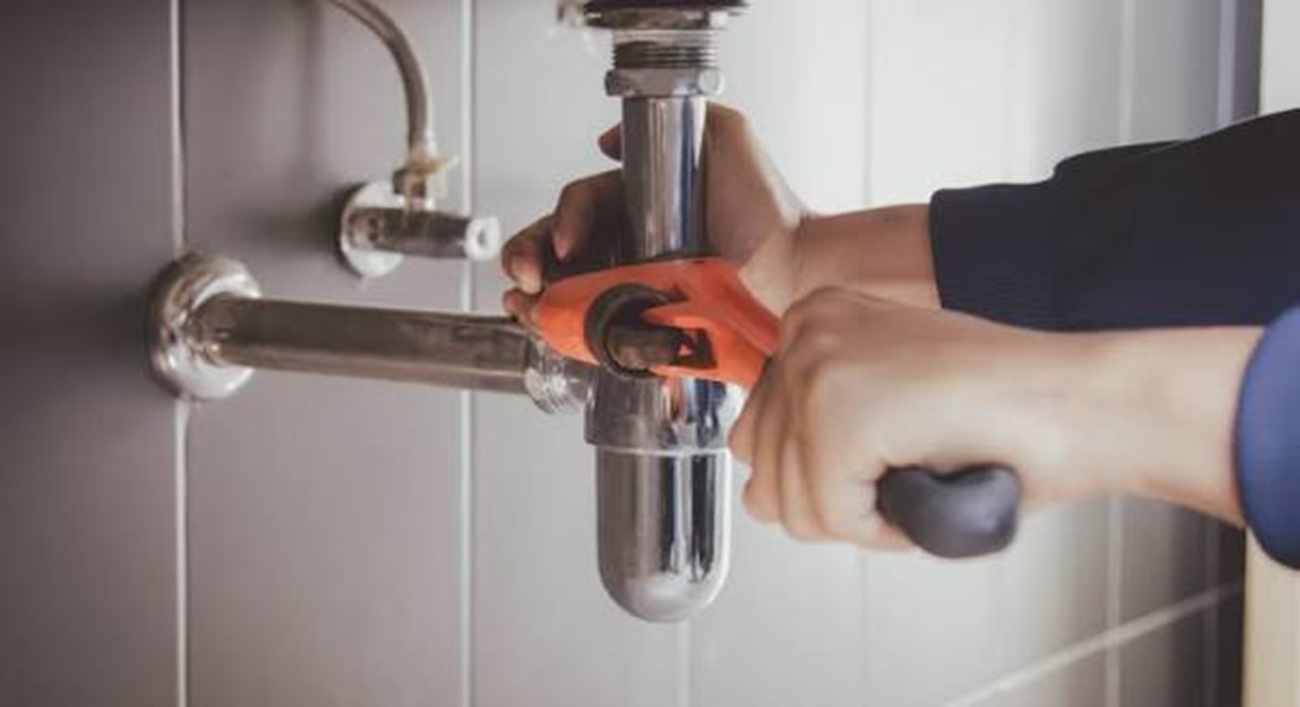
Plumbing in these homes is often another big culprit. Old galvanized pipes or original cast iron drains corrode over time. A slow leak behind a wall or under the slab might go unnoticed for months or years until you start seeing stains or smelling mold. In South Florida especially, the high water table means basements (when they exist) or ground-level slabs stay damper than they should.
HVAC systems in older houses often weren’t built for the kind of humidity we get now. Dirty coils, leaky ducts running through unconditioned attics, or condensate lines that drain poorly create perfect spots for mold to grow and then spread through the whole house every time the AC kicks on.
Even the way these homes were built can work against you. Lots of older Florida construction used a lot of wood and drywall without the modern treatments that resist mold. Poor insulation means bigger temperature swings, which cause condensation inside walls. Add in our afternoon thunderstorms and occasional tropical systems, and you can see why mold loves these places.
Start with a good inspection. Walk around during or right after rain and look for water stains, soft spots in floors, or peeling paint. Check attics for dark spots on rafters and feel around windows and doors for dampness. Crawl spaces deserve attention too—make sure vents are open and there’s no standing water.
You should consider getting a professional moisture assessment, especially if you notice musty smells that come and go. They can use tools to find hidden water without tearing everything apart. Fixing the source is always more important than just cleaning visible mold. Replace any of your old windows or add weather-stripping, improve attic ventilation, and make sure your AC gets serviced regularly.
If you’re planning any new home renovations, you should think about investing in mold-resistant materials and better moisture barriers. Although it may cost you more upfront, it will save you from major headaches later. For homes with serious issues, addressing grading around the foundation or adding French drains can keep water away from the house.
We get it. Living in an older Florida home feels special, but it does need a little extra care when it comes to moisture. Paying attention now keeps mold from turning your charming house into a health and money problem. If you’ve been smelling something off or dealing with unexplained allergies, don’t brush it off. Catching it early makes a huge difference in these old places we love so much.