How Air Intake Systems Improve Diesel Truck Performance
-
- Published Updated
- 58 views
Diesel trucks are built to deliver strong torque, dependable power, and long-term performance under demanding conditions. Whether used for towing, hauling, off-road driving, or everyday transportation, a diesel engine requires an efficient supply of air to operate effectively. The air intake system plays a critical role in delivering clean, cool, and sufficient air to the engine. Upgrading the intake system can reduce airflow restrictions, support combustion, improve responsiveness, and contribute to more consistent diesel truck performance.
Understanding the Role of an Air Intake System
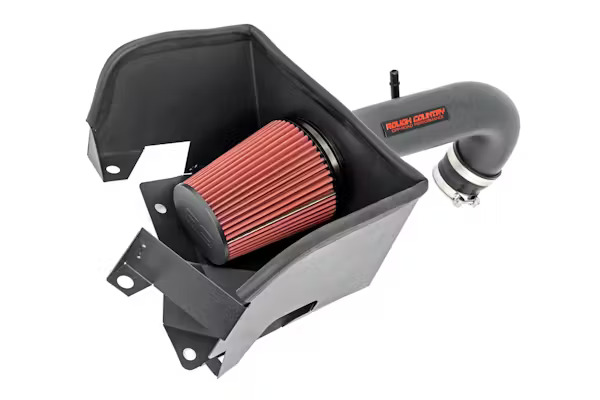
The air intake system provides the engine with the air required for combustion. In a diesel engine, air enters through the intake system before reaching the turbocharger and combustion chambers. The system typically includes an air filter, intake tubing, airbox, and other components designed to control airflow and filter contaminants.
When the intake system is properly designed, it allows the engine to receive an adequate volume of clean air without unnecessary restrictions. This becomes especially important when the engine is working under heavy loads or operating at higher RPM.
Improved Airflow Supports Better Performance
One of the main advantages of a performance-oriented air intake system is improved airflow. Factory systems are designed to meet a variety of requirements, including noise levels, emissions regulations, cost, and everyday driving conditions. Some aftermarket systems are engineered with smoother tubing, optimized passages, and improved filter designs to reduce restrictions.
More efficient airflow can help the engine breathe more effectively. When sufficient air is available, the combustion process can operate more efficiently, allowing the engine to produce consistent power when accelerating, towing, or carrying heavy loads.
Better Airflow Helps Diesel Combustion
Diesel engines use compression ignition, making the availability of air an important factor in combustion. The engine needs an appropriate amount of oxygen to burn injected diesel fuel effectively. An intake system that delivers clean and sufficient air can support this process.
A more efficient intake does not automatically increase fuel economy or horsepower by a fixed amount, because results depend on the engine, calibration, turbocharger, exhaust system, and other components. However, maintaining unrestricted and properly filtered airflow is an important part of supporting efficient engine operation.
Supporting Turbocharger Performance
Many modern diesel trucks use turbochargers to increase the amount of air entering the engine. The turbocharger compresses incoming air, allowing more oxygen to reach the combustion chambers. The air intake system therefore works closely with the turbocharger.
A restrictive intake can make it more difficult for the turbocharger to draw the required amount of air. An appropriately designed intake can provide a smoother path for incoming air, helping the turbocharger operate effectively. This can be particularly valuable when the engine is producing higher levels of boost during towing or acceleration.
Improved Throttle Response
A diesel truck's responsiveness can also be affected by its intake system. When airflow is efficiently managed, the engine can respond more effectively to changes in throttle demand.
Drivers may experience smoother acceleration and improved responsiveness when entering highways, passing vehicles, or pulling a trailer. The actual improvement will vary depending on the truck's engine configuration and the other performance modifications installed.
Maintaining Power During Heavy Loads
Diesel trucks are frequently used for applications that place substantial demands on the engine. Towing trailers, transporting equipment, and driving on steep roads can require sustained power and torque.
During these conditions, the engine needs an adequate supply of air to support combustion. An efficient intake system can help maintain airflow when engine demand increases. This can contribute to more consistent performance and help the truck handle demanding operating conditions.
The Importance of Air Filtration
Increasing airflow should never come at the expense of filtration. Diesel trucks can encounter dust, dirt, sand, and other airborne contaminants, particularly when operating in agricultural, construction, or off-road environments.
A quality air filter captures harmful particles before they reach the engine. Keeping the filter clean is equally important because a clogged filter can restrict airflow and reduce engine efficiency. Regular inspection and replacement according to the manufacturer's recommendations can help maintain proper airflow and engine protection.
Choosing the Right Intake System
The best intake system depends on the specific truck and its intended use. Engine size, turbocharger configuration, operating environment, tuning, and performance goals should all be considered before selecting an upgrade.
For a truck used primarily for towing, an intake designed for reliable airflow under sustained load may be appropriate. Off-road trucks may require additional attention to filtration and protection from dust and moisture. Compatibility and proper installation are essential to ensure the intake works correctly with the existing engine system.
Maintenance for Consistent Performance
An upgraded intake system still requires regular maintenance. Owners should inspect the air filter, tubing, clamps, connections, and other components for dirt, damage, or leaks. Loose connections or damaged tubing can interfere with proper airflow and potentially allow unfiltered air into the engine.
Keeping the entire intake system clean and secure helps preserve its performance benefits. Regular maintenance can also identify small problems before they develop into more expensive engine or turbocharger issues.
Conclusion
Air intake systems are an important part of diesel truck performance because they control the delivery of clean air to the engine. Improved airflow can support combustion, assist turbocharger operation, improve responsiveness, and help maintain consistent power under demanding conditions. When combined with appropriate tuning, exhaust components, and regular maintenance, a properly selected air intake system can contribute to a more capable and dependable diesel truck.