Essential Cooling System Components for Heavy-Duty Trucks
-
- September 22nd, 2026
- 43 views
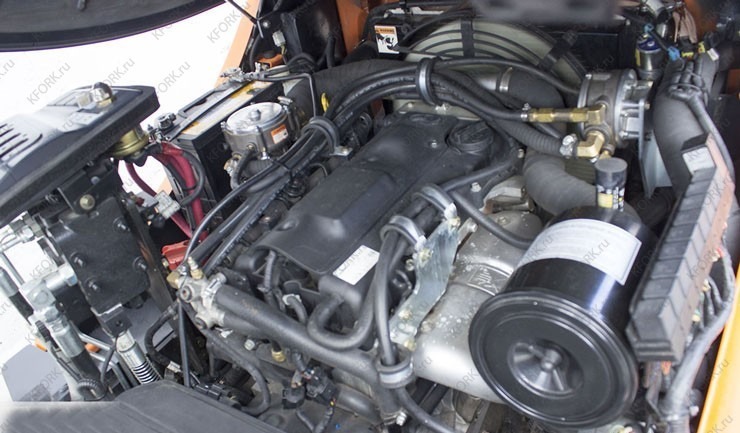
A reliable cooling system is essential for maintaining the operating temperature of a heavy-duty truck engine. Commercial vehicles often operate for extended periods under demanding conditions, exposing cooling system components to heat, pressure, vibration, moisture, and road debris. When one part of the system becomes worn or damaged, it can affect overall cooling performance and potentially lead to costly maintenance issues.
For this reason, fleet operators and technicians should pay attention not only to the radiator and coolant but also to the supporting components that keep the system properly connected and sealed. Hoses, clamps, fittings, and gaskets all contribute to the efficiency and reliability of a truck's cooling system.
Understanding Hoses and Clamps
Coolant needs to travel between the engine, radiator, heater system, and other components through a network of hoses. These hoses must remain flexible enough to accommodate movement while also withstanding elevated temperatures and pressure.
Hoses Clamps are important because they help secure hose connections and maintain a tight seal between components. A properly installed clamp can help prevent coolant from escaping at connection points. Loose, corroded, or damaged clamps, on the other hand, can contribute to leaks and should be inspected during routine maintenance.
Hoses can also deteriorate over time. Heat cycles, vibration, chemical exposure, and constant pressure can cause a hose to become brittle, swollen, cracked, or soft. When replacing a hose, technicians should verify its diameter, length, material, and intended application.
Using a hose that does not match the requirements of the cooling system can result in poor fitment or premature wear. Combining the correct hose with an appropriately sized clamp provides a more dependable connection and helps maintain coolant circulation.
The Role of Cooling System Fittings
Cooling systems contain multiple connection points where hoses, tubes, valves, and other components must work together. These connections require properly sized components that can withstand the operating conditions of the vehicle.
Cooling System Fittings can serve different purposes within a cooling system. Depending on the application, fittings may include hose connections, elbows, plugs, drains, valves, and other components used to route or manage coolant.
When selecting a replacement fitting, it is important to consider the connection type, thread size, material, diameter, and vehicle application. A fitting that looks similar to an existing component may not necessarily be compatible.
Stainless steel and brass are commonly used for different heavy-duty fluid-management applications because they can provide durability and resistance to corrosion. The appropriate material should always be selected according to the operating environment and specifications of the cooling system.
Why Gaskets Matter
While hoses and fittings provide pathways for coolant, gaskets help maintain the seals between connected components. A gasket can prevent coolant from escaping through a joint where two surfaces meet.
Cooling System Gaskets are therefore an important part of cooling-system maintenance. A gasket that has become compressed, damaged, hardened, or deteriorated may no longer provide an effective seal.
Coolant leaks are not always immediately obvious. In some cases, a small leak can gradually become worse as the vehicle continues to operate. During scheduled maintenance, technicians should look for coolant residue, staining, wet areas, or other indications of leakage around gasketed connections.
Replacing a worn gasket at the appropriate time can help restore a proper seal and prevent coolant from escaping from the connection.
How These Components Work Together
A truck cooling system depends on multiple components working together rather than on a single part. Hoses transport coolant, fittings provide connection and routing points, clamps secure hoses, and gaskets help seal joints.
For example, a coolant hose may connect to a fitting and require a clamp to hold it securely in place. A separate connection may rely on a gasket to create a leak-resistant seal. If any of these components are incorrectly sized or damaged, the reliability of the entire system can be affected.
This is why replacing individual cooling components should involve more than simply finding a part that looks similar. Maintenance teams should verify compatibility with the vehicle, engine, dimensions, connection type, and original equipment specifications.
Signs That Cooling Components Need Inspection
Preventive inspection can help identify potential problems before they result in unexpected downtime. Some common warning signs include:
If one component shows significant wear, nearby components should also be inspected. For example, replacing a damaged hose provides an opportunity to check the clamp, fitting, and connection surfaces at the same time.
Choosing Replacement Components
Heavy-duty trucks are used across many applications, including long-haul transportation, construction, municipal services, agriculture, and industrial operations. Each application can have different cooling-system requirements.
Before ordering replacement parts, technicians should confirm the truck's make and model, engine configuration, component dimensions, material requirements, and applicable OEM reference information. This can reduce the possibility of ordering an incompatible component.
BH Tubes provides a range of cooling-system components designed for different heavy-duty vehicle applications. Its catalog includes hoses, clamps, fittings, gaskets, and other related components, giving maintenance professionals multiple options when servicing truck cooling systems.
Supporting Long-Term Vehicle Reliability
Cooling-system maintenance is an important part of keeping heavy-duty vehicles operating reliably. Although hoses, clamps, fittings, and gaskets are relatively small compared with major engine components, they perform essential functions that support coolant circulation and system integrity.
Regular inspections can help identify deterioration before it develops into a larger problem. When replacement is necessary, selecting properly matched components can help ensure secure connections, effective sealing, and appropriate coolant flow.
For fleet managers and technicians, taking a comprehensive approach to cooling-system maintenance means looking beyond the radiator itself. Every hose, clamp, fitting, and gasket contributes to the overall system. By using suitable replacement components and following proper inspection practices, maintenance teams can help support dependable performance and reduce avoidable cooling-system problems in heavy-duty vehicles.