7 Ways Ceramic Coating for Cars Can Help Prevent Water Spots
-

- August 29th, 2026
- 1,785 views
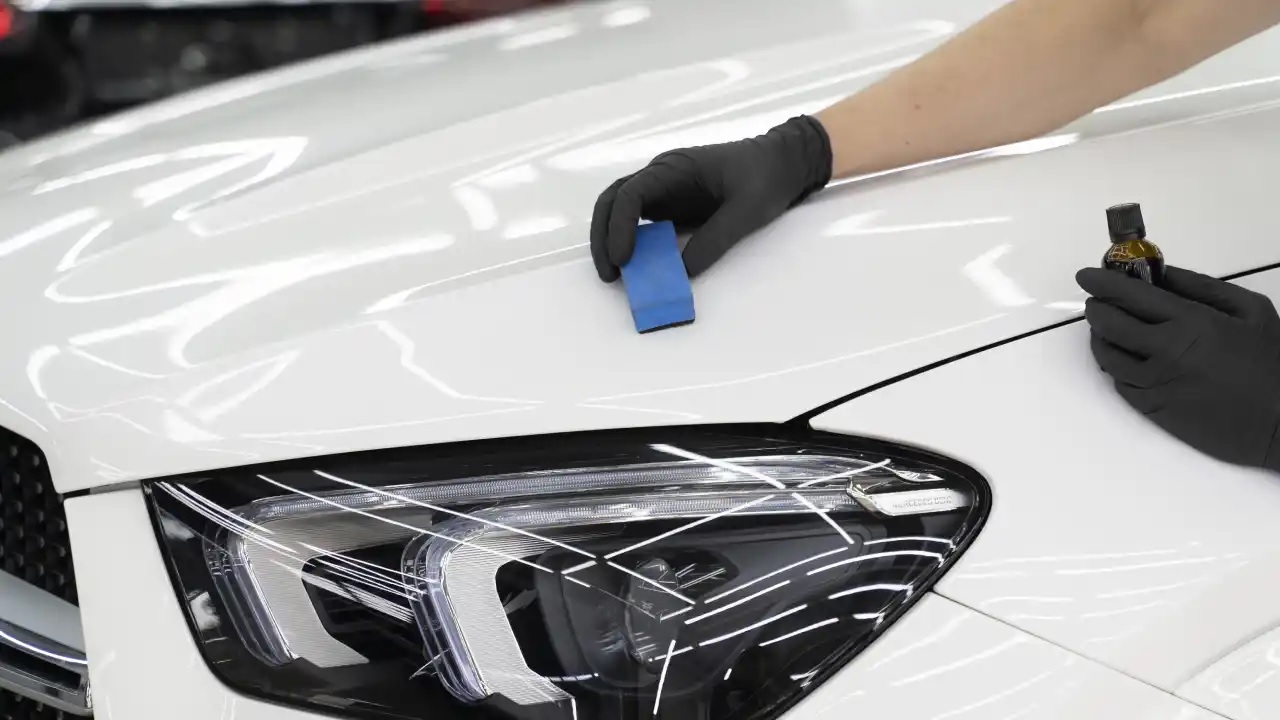
Water spots are one of those small car-care problems that can become surprisingly frustrating. You wash your vehicle, admire the clean finish, and expect the surface to stay spotless. A few hours later, you notice small white marks or cloudy rings on the paint.
A ceramic coating can make your car easier to maintain. Ceramic Coating for Cars also improves water repellency and helps contaminants release more easily. However, it doesn't make the surface completely immune to water spots.
Minerals can remain behind when water evaporates. This can happen after washing, rainfall, or even exposure to lawn sprinklers.
The good news is that you can reduce the chances of water spots with a few simple habits. Here's what you need to know.
What Are Water Spots?
Water spots are marks left behind after water dries on a surface.
The water itself isn't usually the main problem. Dissolved minerals cause most of the trouble.
Water can contain minerals such as calcium and magnesium. When the water evaporates, these minerals can remain on the paint.
You may notice:
- Small white spots
- Cloudy patches
- Ring-shaped marks
- Reduced paint clarity
- A rough surface when you touch the paint
Fresh water spots are usually easier to remove. Older deposits may require more effort.
Why Do Water Spots Appear on Ceramic-Coated Cars?
A ceramic coating creates a protective layer over the vehicle's clear coat. It also gives the surface hydrophobic properties.
Water tends to form beads instead of spreading across the paint. These beads can roll away more easily.
However, some droplets can remain on the vehicle. If they evaporate, they may leave minerals behind.
Therefore, ceramic coating doesn't eliminate the possibility of water spots.
It can make the surface easier to clean. But proper maintenance still matters.
Dry Your Car After Washing
One of the easiest ways to prevent water spots is to dry the vehicle after washing.
Don't leave the car sitting wet under direct sunlight. Water can evaporate quickly in hot conditions. The remaining minerals may then form visible deposits.
Use a clean microfiber drying towel. You can also use a suitable air blower.
Avoid applying excessive pressure while drying. Let the towel absorb the water instead of aggressively rubbing the paint.
A simple routine works well:
- Rinse the vehicle.
- Wash it with suitable car shampoo.
- Rinse thoroughly.
- Dry the surface immediately.
This small change can make a noticeable difference.
Wash Your Car Away From Direct Sunlight
Direct sunlight can make washing more difficult.
Water and shampoo can dry before you have enough time to rinse them. This can leave mineral deposits and soap residue on the paint.
Whenever possible, wash your car in a shaded area.
You can also wash it during the early morning or evening when temperatures are lower.
If shade isn't available, work on smaller sections. Rinse each section before the water dries.
This approach gives you more control and reduces the chance of water spots.
Check the Water You Use
Your water quality can have a major impact on water spots.
Hard water contains higher levels of dissolved minerals. Those minerals can remain on your vehicle after the water evaporates.
If you've noticed repeated water spotting despite using proper washing techniques, your water supply could be part of the problem.
Car enthusiasts who frequently detail their vehicles sometimes use water filtration or deionisation systems. These systems can reduce mineral content and help minimise spotting.
You don't necessarily need such equipment for routine car washing. However, it can be useful if hard water is a persistent issue.
Don't Use Rain as a Substitute for Washing
Rain can make a dirty vehicle look cleaner for a short time.
However, rain doesn't necessarily remove all contaminants.
Rainwater can pick up dust and airborne pollutants before reaching your car. It can also mix with existing dirt on the paint.
Once the water dries, some of that contamination can remain behind.
Therefore, don't assume your car is clean simply because it rained.
If your vehicle is visibly dirty after a rainy drive, give it a proper rinse and wash.
Keep Your Car Away From Sprinklers
Garden sprinklers are an often-overlooked source of water spots.
If your car is parked near a sprinkler, water droplets can repeatedly land on the paint.
The same issue can occur with water dripping from:
- Building roofs
- Air-conditioning units
- Pipes
- Overhead structures
These water sources may contain minerals that remain on the paint after evaporation.
If possible, choose a parking spot away from regular water exposure.
This simple habit can prevent repeated spotting.
Use the Right Washing Technique
Your washing technique matters just as much as the products you use.
Start by rinsing the vehicle thoroughly. This removes loose dust and dirt before you touch the paint.
Next, use a car shampoo that's suitable for automotive surfaces. A pH-neutral shampoo is generally a good choice for many ceramic-coated vehicles.
Use a clean microfiber wash mitt.
Work gently and avoid unnecessary pressure.
After washing, rinse the vehicle thoroughly. Then dry it immediately.
Avoid these common mistakes:
- Washing with a dirty sponge
- Using household detergents
- Wiping dusty paint with a dry cloth
- Leaving shampoo to dry on the surface
- Allowing rinse water to evaporate in direct sunlight
Good technique reduces both water spots and the risk of wash-induced scratches.
Remove Water Spots Before They Become Stubborn
Don't ignore small water spots.
Fresh deposits are usually easier to address than older mineral buildup.
If you notice spots after washing, start with a gentle cleaning method that's compatible with your coating.
Don't immediately use an abrasive polish or aggressive chemical.
Strong products can create unnecessary problems if you don't know what you're dealing with.
If the deposits don't come off with normal washing, consider professional inspection.
A detailer can determine whether you're dealing with:
- Surface contamination
- Mineral deposits
- Etching
- Paint damage
- Coating-related issues
The correct diagnosis helps you choose the right treatment.
Don't Assume Every Water Spot Means Coating Failure
This is an important point for ceramic-coated vehicle owners.
Seeing water spots doesn't automatically mean the ceramic coating has failed.
Mineral deposits can sit on top of the coating. They can also interfere with water behaviour.
For example, a contaminated surface may stop showing the strong water beading you noticed immediately after installation.
That doesn't necessarily mean the coating has disappeared.
A proper wash or decontamination process may restore the surface's water behaviour.
If the problem continues, have the coating professionally inspected.
Can Ceramic Coating Prevent Water Spots Completely?
No.
This is one of the most important things to understand before choosing Ceramic Coating for Cars.
A ceramic coating can improve water repellency. It can also make the surface easier to clean.
However, it doesn't remove minerals from the water.
If hard water repeatedly lands on the vehicle and dries, deposits can still form.
Think of ceramic coating as part of a paint-care system rather than a permanent solution to every exterior problem.
Good washing and drying habits remain essential.
Does Water Beading Cause Water Spots?
Water beading itself isn't necessarily a problem.
In fact, strong water beading is one of the characteristics many owners appreciate about ceramic coatings.
The problem occurs when those beads remain on the surface and evaporate.
The minerals stay behind after the water disappears.
This is why drying the vehicle after washing can be so helpful.
The goal isn't to prevent water from touching the vehicle. Instead, you want to prevent contaminated water from sitting on the paint until it dries.
How Often Should You Wash a Ceramic-Coated Car?
There isn't a single washing schedule that works for every vehicle.
Your ideal frequency depends on:
- How often you drive
- Local weather
- Dust levels
- Pollution
- Parking conditions
- Road conditions
- How quickly contaminants accumulate
A vehicle driven daily through a dusty city may need more frequent washing than a car used occasionally.
The important thing is to avoid allowing contaminants to build up for long periods.
Regular washing also makes it easier to identify water spots before they become difficult to remove.
What Should You Avoid When Removing Water Spots?
Trying to remove water spots aggressively can sometimes cause more damage than the original problem.
Avoid:
- Scrubbing with rough materials
- Using household cleaning chemicals
- Dry-wiping mineral deposits
- Using abrasive compounds without understanding the surface
- Applying excessive pressure
- Using strong acids without proper knowledge
If you're uncertain about the severity of the deposits, consult a professional detailer.
A small amount of professional help can prevent an unnecessary paint correction or coating problem later.
A Simple Water-Spot Prevention Routine
You don't need an elaborate detailing setup.
A basic routine can be enough.
Before washing
- Park in the shade.
- Let the vehicle cool down.
- Prepare clean microfiber equipment.
- Check your shampoo and other products.
During washing
- Rinse loose dirt first.
- Use a suitable car shampoo.
- Work in small sections.
- Don't let water or shampoo dry on the paint.
After washing
- Rinse thoroughly.
- Dry the vehicle immediately.
- Inspect the paint for remaining spots.
Between washes
- Remove bird droppings quickly.
- Avoid sprinkler water.
- Don't wipe dusty paint dry.
- Check for new mineral deposits.
Consistency matters more than complexity.
When Should You Get Professional Help?
Some water spots disappear after a proper wash. Others don't.
If spots remain despite careful cleaning, the minerals may have bonded more strongly to the surface.
In some cases, the deposits may even have etched into the surface.
A professional detailer can inspect the vehicle and determine the appropriate treatment.
They may recommend decontamination, a specialised spot-removal process, or paint correction depending on the severity.
Don't assume that more aggressive chemicals are always better.
The right treatment depends on what caused the marks and how deeply they have affected the surface.
Final Thoughts
Water spots can frustrate even the most careful car owner.
Fortunately, they're often preventable.
The key is to control how long water remains on the vehicle. Wash your car in the shade, use suitable products, rinse thoroughly, and dry the surface promptly.
Also, pay attention to your water source. Hard water can leave behind minerals that create stubborn deposits.
Most importantly, remember that Ceramic Coating for Cars doesn't make a vehicle completely resistant to water spots. It provides useful protection and can make maintenance easier, but proper care remains essential.
A few simple habits can go a long way. Keep the surface clean, remove contaminants quickly, and avoid aggressive cleaning methods.
With consistent maintenance, you can help preserve the coating, maintain the paint's gloss, and keep your car looking cleaner for longer.