Car Cooling System Repair UAE | Complete Cooling System Repair
-

- Published Updated
- 1,628 views

Maintaining optimal motor engine temperatures, protecting cylinder heads against warping, and preventing costly thermal breakdowns on high-speed road networks across the United Arab Emirates requires a fully functional vehicle cooling system. ZinQ Garage provides complete mechanical repair, radiator restoration, engine diagnostic, and cooling circuit servicing solutions for passenger cars, luxury SUVs, and commercial fleets across Dubai and the UAE. Investing in timely Car Cooling System Repair UAE services ensures that minor coolant leaks, faulty thermostats, or degrading water pumps are addressed before extreme ambient heat causes severe engine overheating.
Why Cooling System Maintenance Is Critical for UAE Drivers
A vehicle's cooling system regulates internal engine operating temperatures by circulating liquid coolant through the engine block, cylinder heads, radiator, and heater core. During the long UAE summer season, ambient temperatures frequently exceed forty-five degrees Celsius, while tarmac surface temperatures spike even higher. Under these severe operating conditions, an underperforming cooling system cannot dissipate heat effectively, leading to rapid pressure buildup and potential thermal stress on critical aluminum engine components.
Allowing an engine to overheat can cause catastrophic damage, including blown head gaskets, cracked cylinder heads, warped engine blocks, and total engine seizure. Furthermore, unexpected breakdowns on major highways present severe safety hazards. Partnering with experienced auto mechanics for routine system flushing, pressure testing, and component replacement ensures your vehicle maintains stable operating temperatures regardless of outside weather conditions.
Key Causes of Engine Overheating in Middle Eastern Climates
Vehicle cooling networks operate under intense pressure and thermal loads in the Gulf region. Common issues that lead to cooling system failure include:
Coolant Degradation & Evaporation: High thermal stress degrades coolant additives over time, lowering its boiling point and causing internal corrosion, rust scale, and radiator tube clogging.
Thermo-Plastic Radiator Hose Failure: Extreme ambient heat causes rubber hoses and plastic radiator end tanks to become brittle, leading to sudden cracks, pinhole leaks, and pressure loss.
Water Pump Impeller & Bearing Wear: Continuous high-RPM driving wears down water pump bearings and impellers, reducing coolant circulation velocity through the engine block.
Thermostat Sticking & Sensor Errors: A failed thermostat stuck in the closed position blocks coolant flow to the radiator, causing engine temperatures to spike within minutes.
Radiator Fan & Clutch Failure: Electric fan motors or viscous fan clutches often fail due to dust accumulation and heat exposure, preventing proper airflow through the radiator core during idling or heavy traffic.
Cooling System Components, Diagnostic Checklist, and Repair Process
To understand how cooling system faults are identified and resolved inside a modern automotive workshop, review the structural breakdown below:
Core Cooling Circuit Components
Radiator Core: Heat exchanger that dissipates heat from hot coolant into passing atmospheric air via thin aluminum fins.
Thermostat Valve: Temperature-sensitive valve that regulates coolant flow between the engine block and radiator to maintain optimal operating temperature.
Water Pump: Mechanical or electric pump that pressurizes and circulates liquid coolant throughout the entire engine block and heater core.
Cooling Fan Assembly: Electric or belt-driven fan that draws ambient air through the radiator core, particularly when idling or driving at low speeds.
Expansion Tank & Pressure Cap: Reservoir that stores excess coolant volume as it expands with heat while maintaining prescribed system pressure.
Step-by-Step Diagnostic & Repair Execution Workflow
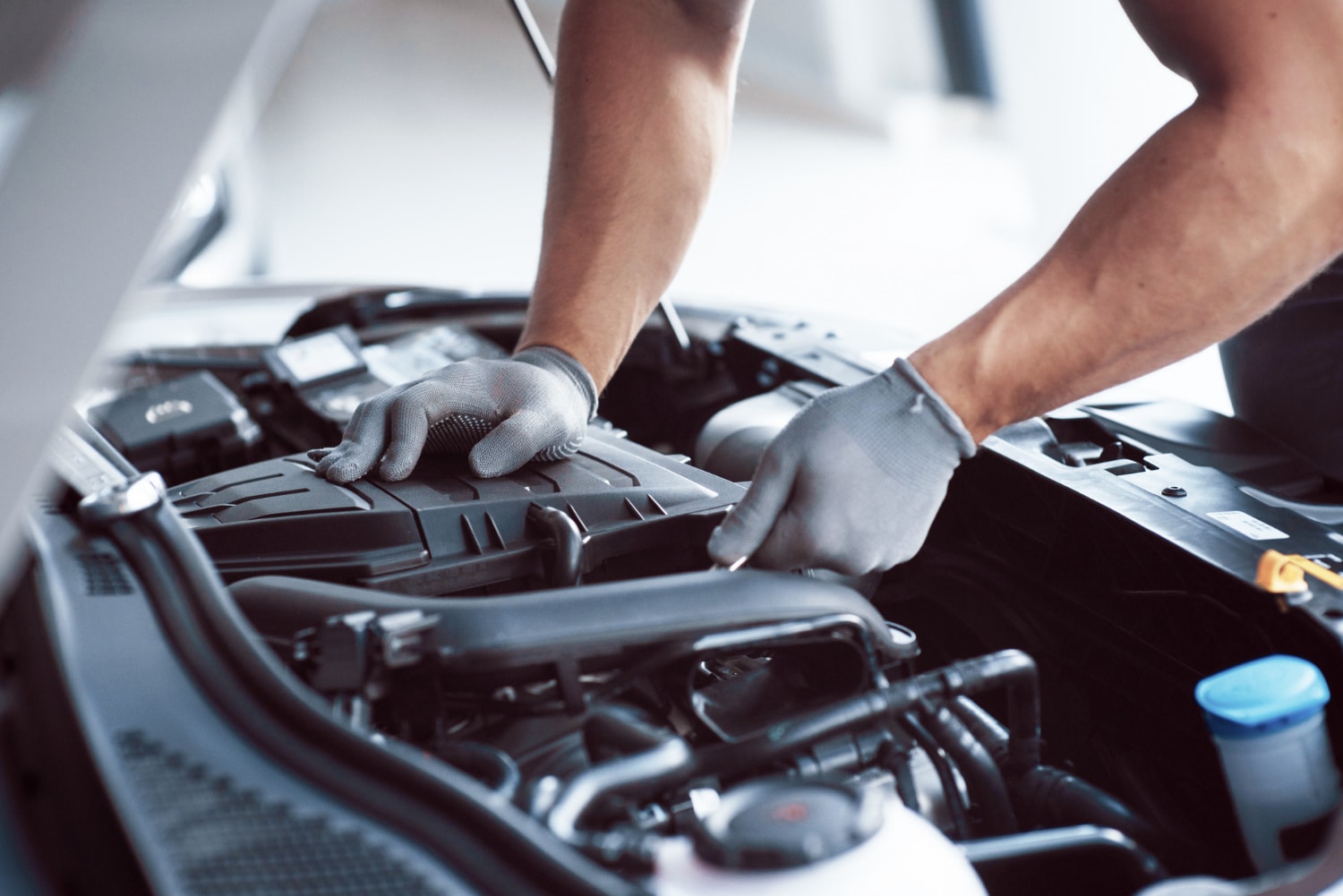
System Pressure Testing: Technicians attach a specialized pressure pump to the radiator cap neck to identify micro-leaks in hoses, gaskets, water pumps, or radiator seams.
Thermal Imaging & Temperature Mapping: Infrared thermal cameras assess coolant flow distribution across the radiator core to locate internal blockages or cold spots.
Coolant Flush & Chemical Scale Removal: Old, contaminated fluid is completely drained, and the system is chemically flushed to clear rust, scale, and organic buildup.
Component Replacement & Vacuum Refilling: Damaged radiators, water pumps, or thermostats are replaced before refilling the system using a vacuum tool to eliminate trapped air pockets.
Operational Testing & Sensor Calibration: The engine is brought to normal operating temperature to verify cooling fan activation, thermostat opening, and stable gauge readings.
Benefits of Professional Vacuum Coolant Flushing vs. Manual Topping Up
Simply topping up an overheating engine's expansion tank with plain tap water or unverified coolant provides temporary relief while accelerating internal damage. Tap water contains minerals that deposit scale on internal radiator fins, creating insulating barriers that trap heat inside the engine block. Furthermore, plain water lacks anti-corrosion additives and boils at a significantly lower temperature than proper glycol-based coolant mixtures.
Utilizing professional vacuum-assisted coolant replacement equipment ensures that old fluid is entirely extracted and replaced with high-boiling-point, pre-mixed organic acid technology (OAT) coolant. Vacuum filling eliminates trapped air pockets ("air locks") inside the engine head that cause localized hot spots, premature thermostat failure, and erratic temperature gauge spikes. Investing in professional Car Cooling System Repair UAE services protects your engine investment and guarantees reliable performance across long desert drives.
For More Details Visit@ https://zinqgarage.com/service/car-cooling-and-radiator-repair-uae/
Frequently Asked Questions
How often should I replace the engine coolant in my car while driving in the UAE?
It is recommended to flush and replace your engine coolant every two years or 40,000 to 50,000 kilometers, whichever comes first. Severe desert climate conditions accelerate chemical additive breakdown inside the fluid.
What should I do immediately if my vehicle's engine temperature gauge spikes to the red zone?
Safely pull off the road immediately, turn off the engine, and open the hood to allow heat to dissipate. Never attempt to open the radiator pressure cap or expansion tank while the engine is hot, as pressurized boiling coolant can cause severe burns.
Why is my car overheating while idling in traffic but running cool while driving on the highway?
This issue typically indicates a failing electric cooling fan, a worn fan clutch, or dirty radiator fins blocked by sand and road debris. High-speed highway driving forces ambient air through the radiator naturally, whereas idling relies entirely on the mechanical fan to pull air through.
Can driving with a minor coolant leak damage my vehicle's engine?
Yes. Even a minor coolant leak reduces internal system pressure, which lowers the coolant's boiling point. As fluid levels drop, air enters the system, causing localized overheating that can warp cylinder heads and destroy engine gaskets within miles.
Does ZinQ Garage use OEM-approved coolants and replacement cooling parts?
Yes. All repairs utilize high-grade OEM or manufacturer-approved radiators, water pumps, hoses, and factory-specified coolant fluids formulated to withstand the thermal demands of Gulf climatic conditions.