Essential EV Services Every Electric Vehicle Owner Should Know
-

- September 26th, 2026
- 85 views
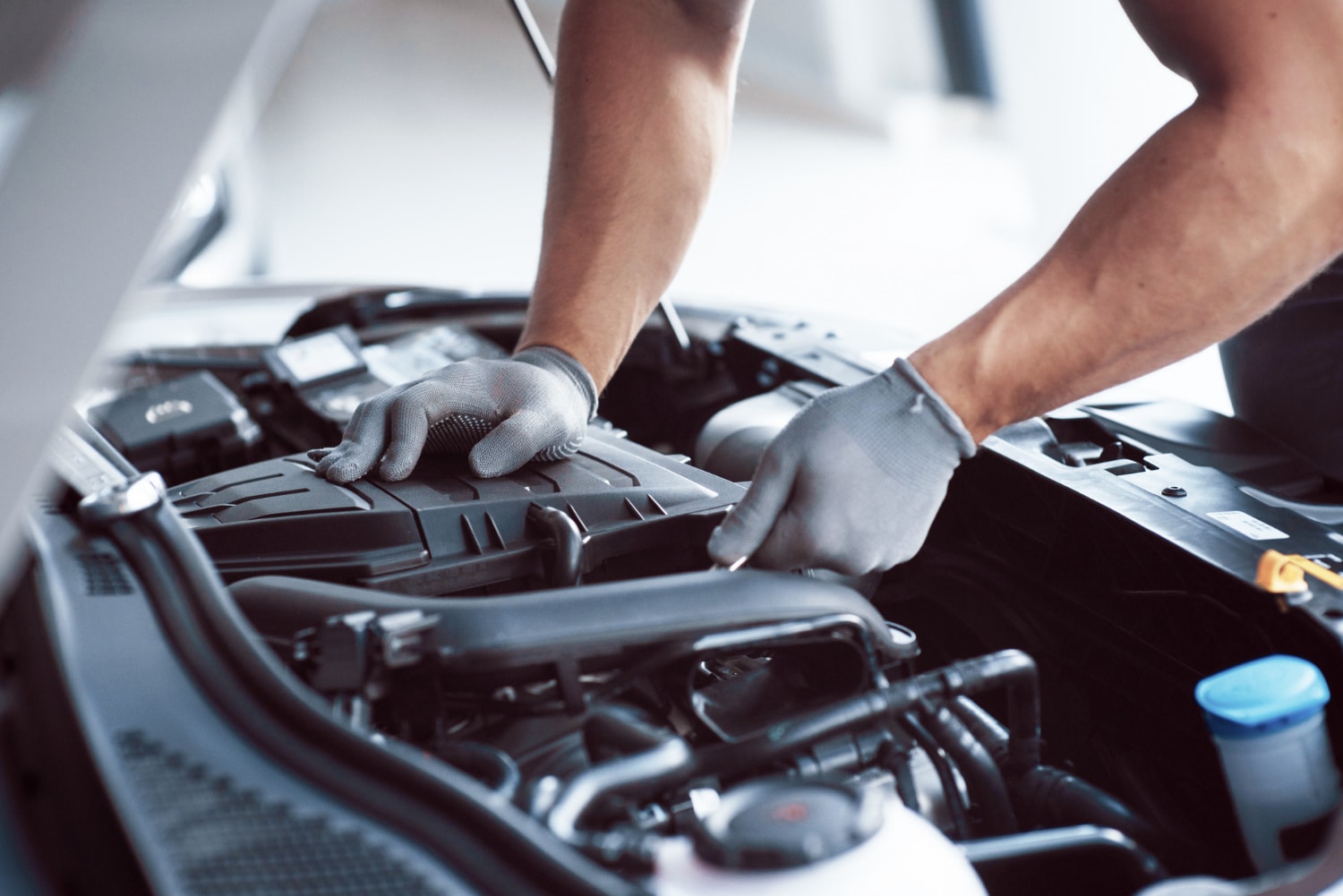
EV Services help electric vehicle owners keep their cars safe, efficient and dependable. Regular electric vehicle maintenance, EV diagnostics and battery health check services can prevent faults and support long term performance. From software updates to tyre checks, knowing which services matter makes EV ownership simpler and less stressful.
1. Why EVs Need Specialist Servicing
Electric cars have fewer moving parts, but they still need regular attention. Good EV Services focus on systems that differ from petrol and diesel vehicles. High voltage components, charging equipment, software and battery systems need suitable knowledge and equipment. A trained technician can inspect these areas safely and identify early signs of trouble.
Unlike traditional cars, EV servicing often focuses less on engines and fluids. However, brakes, suspension, tyres, steering and cooling systems still require checks. This makes electric vehicle maintenance an important part of safe everyday driving.
2. Battery Health Checks
The battery is one of the most important parts of an electric vehicle. A battery health check can show how well the battery holds and delivers charge. Technicians may assess battery condition, charging behaviour, temperature control and available capacity.
A proper check can also help identify unusual battery performance before it becomes disruptive. This is especially useful when buying a used EV or preparing for longer journeys. Regular battery health check services can give owners greater confidence about vehicle range.
3. EV Diagnostics and Fault Finding
Modern electric vehicles rely heavily on electronic control systems and software. EV diagnostics can identify warning lights, charging faults, sensor problems and communication issues. Specialist diagnostic equipment can read stored fault codes and help technicians locate the underlying problem.
A warning message should not always be ignored because the car still drives normally. Some faults may affect charging, battery cooling or other important systems. Professional EV Services can diagnose these issues before they develop into more expensive repairs.
4. Charging System Checks
Reliable charging is essential for convenient electric vehicle ownership. Technicians can inspect charging ports, cables and related electrical components for damage or unusual operation. They can also investigate slow charging, interrupted sessions and charging warning messages.
Home charging equipment should also be checked if repeated charging problems occur. Keeping connectors clean and protected can reduce avoidable issues. Good electric vehicle maintenance includes checking the charging system as part of wider vehicle care.
5. Brakes, Tyres and Suspension
Regenerative braking can reduce brake pad use, but it does not remove the need for inspections. Brake discs, pads and related components can still corrode or wear over time. Tyres also deserve close attention because EVs can be heavy and deliver strong instant acceleration.
Suspension and steering components should be checked for unusual noises, vibration or uneven tyre wear. These checks support safety and help maintain comfortable handling. Regular EV Services should therefore cover the mechanical parts that keep the vehicle stable and roadworthy.
6. Software Updates and Electrical Checks
Software controls many features in a modern EV, including charging and energy management. Manufacturers may release updates to improve performance, fix faults or introduce important changes. A suitable technician can check whether available updates apply to the vehicle.
Electrical inspections are also important because EVs use high voltage systems. These components require specialist training and safe working procedures. Owners should never attempt high voltage repairs without the correct qualifications and equipment.
7. How Often Should an EV Be Serviced?
The correct service interval depends on the vehicle manufacturer, model and driving conditions. Owners should follow the service schedule in the handbook or manufacturer guidance. Even when a car appears trouble free, routine checks can identify developing issues early.
Drivers should arrange an inspection sooner if they notice reduced range, charging problems or warning messages. A battery health check can also be useful before purchasing a used electric car. Choosing a qualified EV specialist helps ensure the vehicle receives suitable care.
Conclusion
EV Services play an important role in keeping electric cars safe and reliable. Regular electric vehicle maintenance can protect key mechanical and electrical systems. EV diagnostics can help identify faults before they become bigger problems. A battery health check can provide useful insight into battery condition and expected performance. By following the correct service schedule, UK EV owners can enjoy confident and efficient motoring.
FAQs
1. Do electric cars need servicing?
Yes, electric cars still need regular servicing despite having fewer moving parts. Routine checks help maintain safety, performance and reliability. Good electric vehicle maintenance can also identify developing faults early.
2. What does an EV service include?
An EV service may include battery, brakes, tyres, suspension and charging checks. Technicians may also inspect electrical systems and software. EV Services should follow the vehicle manufacturer's recommended schedule.
3. How often should an electric car be serviced?
Service intervals vary depending on the EV model and manufacturer. Always check the vehicle handbook for the recommended schedule. Regular electric vehicle maintenance remains important even when the car feels normal.
4. What is an EV battery health check?
A battery health check assesses the condition and performance of an EV battery. It can provide useful information about capacity and charging behaviour. A battery health check is particularly helpful when buying a used EV.
5. What can EV diagnostics detect?
Diagnostic equipment can identify electronic faults, warning codes and charging problems. It can help technicians find issues affecting different vehicle systems. Professional EV diagnostics can make fault finding faster and more accurate.
6. Do EVs need brake servicing?
Yes, EV brakes still need regular inspection and maintenance. Regenerative braking may reduce brake wear but cannot prevent corrosion. Electric vehicle maintenance should include regular brake checks.
7. Should EV charging equipment be inspected?
Charging equipment should be checked when problems such as slow or interrupted charging occur. Damaged cables and connectors should not be ignored. Proper EV Services can help identify charging system problems safely.
8. Are EV software updates important?
Software updates can improve vehicle functions and address certain technical issues. Some updates may affect charging or energy management systems. Including software checks within EV Services can help keep an EV operating correctly.
9. Should I check an EV before buying it?
Yes, a professional inspection can reveal mechanical and electrical issues. Battery condition is especially important when buying a used electric vehicle. A battery health check can provide valuable information before purchase.
10. Can I repair an EV myself?
Basic checks such as tyre pressure can usually be handled by owners. High voltage electrical repairs should only be completed by qualified technicians. Professional EV diagnostics can identify faults without exposing owners to unnecessary risks.
Meta description: Discover essential EV Services for UK electric car owners, from EV diagnostics and battery checks to charging, brakes and maintenance.