Car Exhaust System Repair UAE | Complete Exhaust Solutions
-

- Published Updated
- 1,640 views
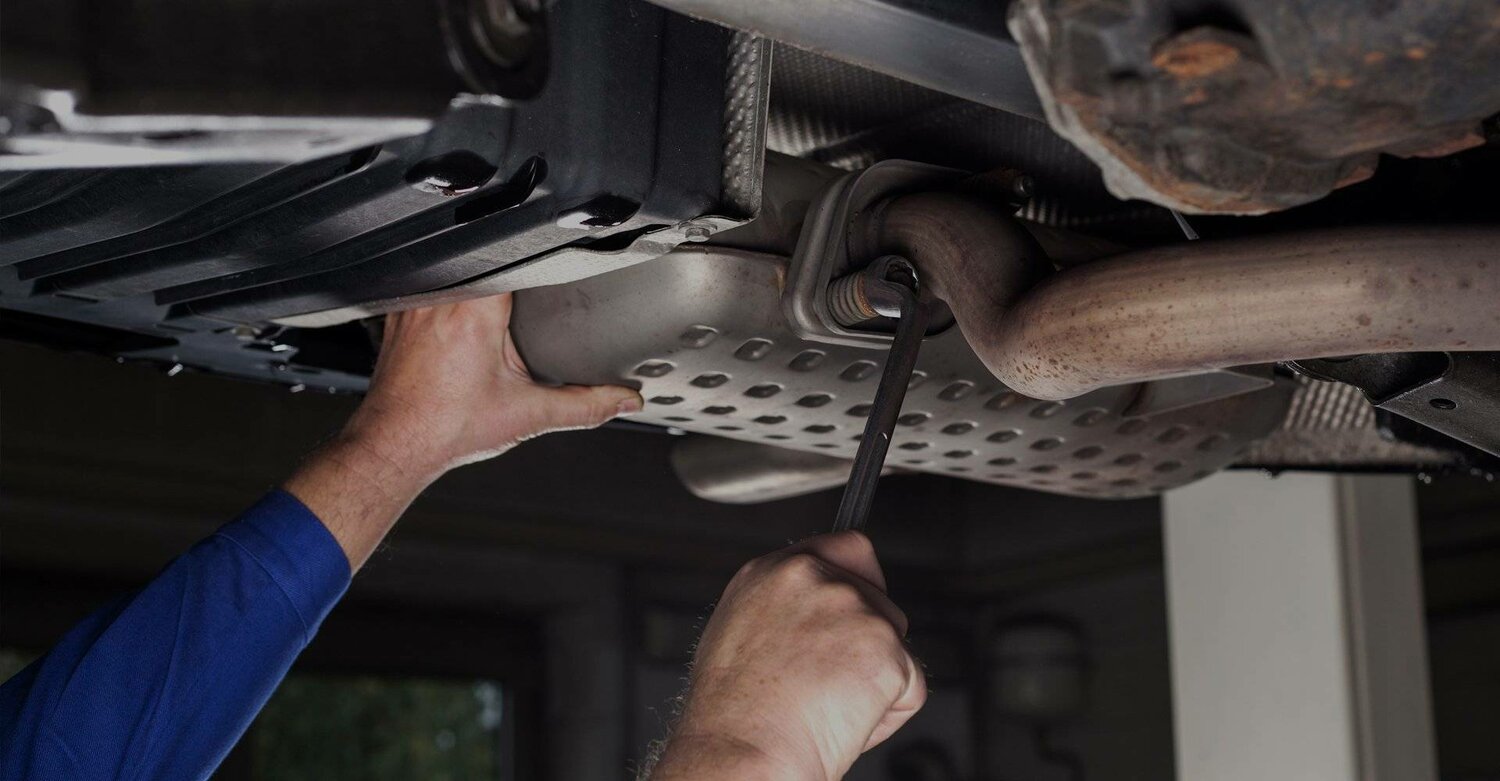
Maintaining efficient exhaust flow, controlling vehicle emissions, and suppressing harsh engine noise across driving conditions in the United Arab Emirates requires specialized automotive exhaust maintenance. ZinQ Garage provides complete exhaust system diagnostics, catalytic converter replacement, manifold repair, custom pipe welding, and muffler replacement solutions for modern passenger cars, performance sports vehicles, and commercial fleets across Dubai and the broader United Arab Emirates. Investing in professional car exhaust system repair UAE services ensures that leaking manifolds, cracked pipes, and clogged catalytic converters are rectified before they cause engine power loss, excessive fuel consumption, and severe cabin exhaust fumes.
Why Exhaust System Maintenance Is Critical for UAE Drivers
Modern vehicle exhaust networks are designed to perform three essential functions: safely route toxic combustion gases away from the passenger cabin, convert harmful pollutants into less toxic emissions via the catalytic converter, and dampen high-decibel engine sound waves. Operating vehicles across high-ambient-temperature environments like the UAE accelerates thermal stress on exhaust manifolds and underbody piping, frequently leading to metal fatigue, stress fractures, and gasket blowouts.
Furthermore, driving through coastal air or standing rainwater during winter storms can trigger underbody corrosion, compromising structural exhaust hangers, flanges, and silencer chambers. Ignoring exhaust system leaks or restricted flow leads to dangerous carbon monoxide exposure inside the vehicle, reduced engine horsepower, sluggish acceleration, and failed annual RTA vehicle registration inspections due to elevated exhaust emissions or excessive noise levels. Engaging professional mechanics for routine underbody inspections, backpressure testing, and precision welding restores original exhaust gas dynamics, protects engine valves, and maintains quiet cabin comfort during long highway commutes.
Common Causes of Exhaust System Damage and Power Loss
Exhaust components operate under extreme internal heat and harsh external road conditions. Primary factors contributing to system failure include:
Thermal Expansion & Metal Fatigue: Extreme heat cycles cause exhaust manifolds and flex pipes to expand and contract repeatedly, resulting in hairline cracks and noisy flange leaks.
Catalytic Converter Clogging & Overheating: Unburnt fuel from misfiring engine cylinders or internal oil leaks can melt or clog the internal ceramic honeycomb core of the catalytic converter, creating severe backpressure.
Underbody Impact & Hanger Failure: Speed bumps, road debris, and off-road driving can dent exhaust pipes, rupture silencers, or break rubber mounting isolators, causing dangerous exhaust system sagging.
Gasket Deterioration: High-pressure exhaust gases erode manifold, header, and downpipe gaskets over time, producing distinct ticking or hiss sounds upon engine acceleration.
Sensor Malfunctions: Failed upstream or downstream oxygen (O₂) sensors misread exhaust gas composition, causing the engine control unit (ECU) to over-fuel the engine and damage internal exhaust components.
Technical Exhaust System Components and Workshop Workflow
To understand how complete exhaust system restorations and repairs are executed inside a modern garage facility, review the structural breakdown and service steps below:
Core Exhaust System Components
Exhaust Manifold & Header: Directs hot exhaust gases from the engine cylinder head ports into a single primary collector pipe.
Flex Pipe & Downpipe: A flexible stainless steel braided joint that absorbs engine movement and vibration, preventing cracks in rigid exhaust lines.
Catalytic Converter: An emission control device containing precious metals (platinum, palladium, and rhodium) that chemically convert toxic carbon monoxide and hydrocarbons into safer gases.
Muffler & Resonator Chambers: Acoustically engineered expansion chambers that reflect and cancel out harsh engine sound frequencies without restricting airflow.
Standard Exhaust System Repair Workflow
Visual & Smoke Leak Inspection: Technicians inspect underbody pipes for physical damage and pump high-pressure smoke into the exhaust system to pinpoint microscopic leaks.
Exhaust Backpressure & O₂ Sensor Testing: Gauges are connected to measure exhaust system backpressure, verifying whether catalytic converters or mufflers are internally restricted.
Precision Cutting & TIG/MIG Welding: Damaged pipe sections, cracked flex joints, or rusted flanges are cleanly cut out and replaced using high-grade stainless steel piping and precision arc welding.
Catalytic Converter & Silencer Replacement: Heavily damaged or degraded emission components are replaced with direct-fit, high-flow units that meet local environmental regulations.
Final Sound & Emission Verification: The vehicle undergoes dynamic testing while exhaust gas analyzer equipment monitors tailpipe emissions to guarantee full compliance.
Operational Advantages of Professional Repairs Over Temporary Fixes
While off-the-shelf exhaust repair tapes and putty compounds offer temporary emergency patches, they quickly fail under the intense heat and continuous vibration of daily driving. Professional workshop repair utilizing heavy-gauge mandrels, stainless steel flex joints, and airtight TIG welding provides a permanent structural seal that withstands high exhaust gas velocities.
Opting for specialized car exhaust system repair in UAE services at ZinQ Garage ensures that correct backpressure levels are maintained. Proper backpressure is essential for low-end engine torque and optimal fuel economy, whereas leaking or improperly modified exhausts cause engine tuning imbalances, check engine light warnings, and premature engine wear.
For more details visit
https://zinqgarage.com/service/car-exhaust-system-repair-uae/
Frequently Asked Questions
What are the warning signs that my car needs car exhaust system repair in the UAE?
Common warning signs include a loud roaring noise during acceleration, a sharp ticking sound from the engine bay when cold, strong gas or exhaust smells inside the cabin, decreased engine power, and a drop in fuel efficiency.
Will a leaking or damaged exhaust system cause my car to fail RTA passing?
Yes. Vehicles with active exhaust leaks, missing catalytic converters, excessive tailpipe smoke, or sound levels exceeding local noise limits will automatically fail the mandatory RTA registration inspection.
How do I know if my catalytic converter is clogged rather than my muffler?
A clogged catalytic converter typically causes severe engine power loss, poor acceleration, engine overheating, and glowing red exhaust pipes under load. A failed muffler usually causes excessive exterior exhaust noise without affecting engine performance as drastically.
Can ZinQ Garage weld custom exhaust piping for performance cars and SUVs?
Yes. ZinQ Garage provides custom exhaust fabrication, mandrel-bent piping, high-flow catalytic converter upgrades, and stainless steel welding for all performance cars, classic vehicles, and 4x4 off-road SUVs.
Is it safe to drive with a minor exhaust leak?
It is not recommended. Minor exhaust leaks can allow toxic carbon monoxide gases to enter the passenger cabin, presenting a serious health hazard. Furthermore, hot exhaust gases leaking near fuel lines or wiring harnesses create potential fire risks.