Truck Service Call Near Me: Reliable On-Site Support for Commercial Trucks in Calgary
-
- Published Updated
- 34 views
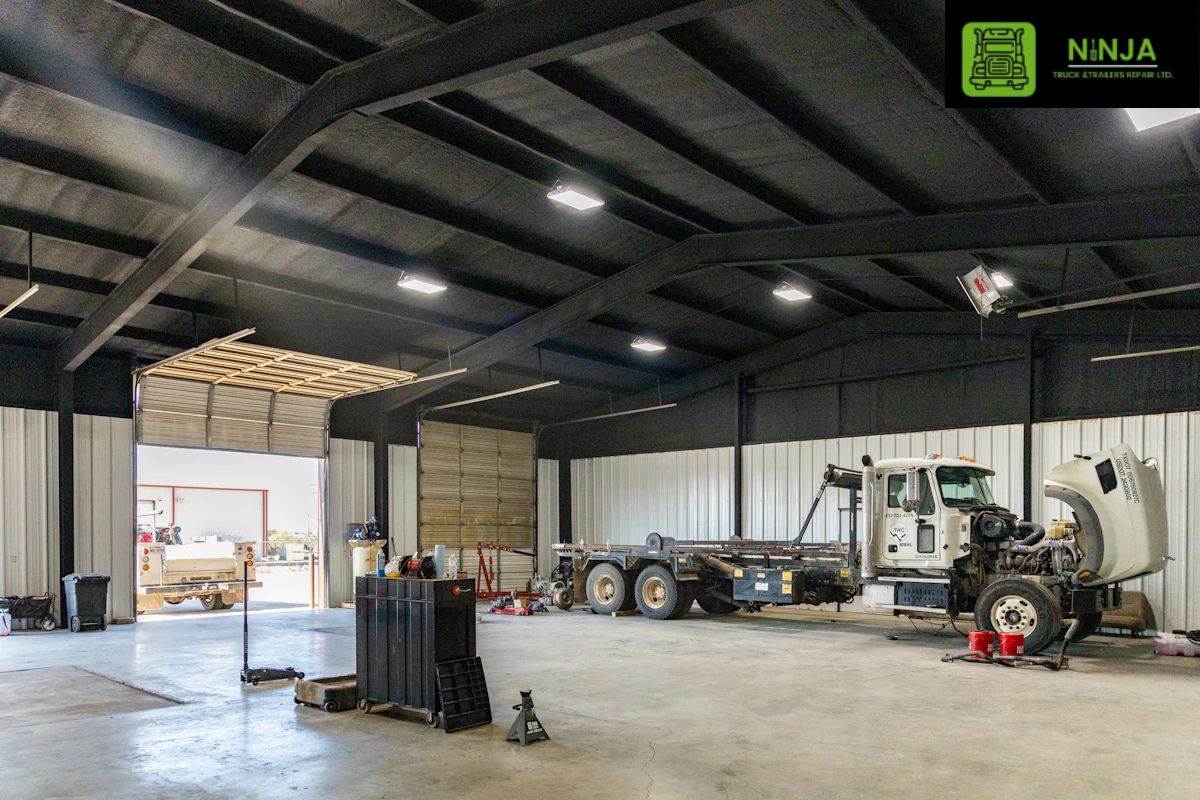

If there is any issue with the mechanics of the commercial vehicle when delivering or moving from one location to another, it becomes important to search for a truck service call near me right away. Issues like flat tires, engine warning lights, brake problems, or electrical issues may disrupt one’s schedule and compel him to look out for possible solutions. Mobile truck repair is considered a viable solution for the trucking industry, independent truck owners, or fleet management of Calgary and Chestermere to get many of their trucking needs addressed without having to make the trip to the workshop.
Why Is a Truck Service Call Important for Commercial Vehicles?
Commercial trucks face a lot of strain when operating. This can include heavy loads, long drive hours, weather changes, many halts, etc. All this puts pressure on tires, brakes, engines, cooling systems, and other critical components. Any small failure can turn into a major issue of operation if neglected.
The truck service call allows making contact between the truck driver/fleet operator and the professional mechanic who will evaluate the reported failure and take the necessary actions. Depending on the type of failure, equipment involved, availability of spare parts, and work conditions, the service might be performed right where the truck is standing, and in other cases, towing to the repair shop is required.
The mobile assistance might be especially useful in the case when the truck is parked in a loading place, distribution center, fleet yard, or roadside safe spot. Instead of calling for towing right away, the operator can inquire whether on-the-spot evaluation of the situation is possible.
Not only is getting the truck moving the task here. The aim is to find the root of the failure, fix all safety issues, and lower chances of facing another breakdown soon.
What Should You Expect From a Truck Service Call Near Me?
Typically, when looking for a truck service call near me, this will refer to finding help that is able to attend to your problem in a realistic location. The type of service you should choose will largely depend on the symptoms and configuration of your vehicle.
Initial Assessment and Troubleshooting
It usually starts with the discussion on the car’s behavior or symptoms. The technician could ask for details regarding any warning lights, strange sounds, fluid leaks, performance changes recently, or any details about the breakdown.
An accurate description will assist the service provider in assessing the situation prior to the dispatch. For instance, if the truck is not starting, then there might be a problem with the battery, starter, charging system, or other electrical problems.
On-Site Mechanical Repairs
In some cases, depending on the nature of the problem and the tools at hand, the mobile technician may be able to diagnose and fix some engine troubles, electrical faults, battery problems, starters, alternators, belts, hoses, cooling system problems, air system leaks, and even trailer problems.
Some of the problems that could also need to be sorted out include issues with tires, such as a punctured tire, flat tire, defective valve, or even a worn-out tire that needs to be changed.
Safety and Repair Recommendations
This involves noting conditions that might make it unsafe to continue driving. Brake problems, fluid leakage, faulty tires, or steering/suspension-related faults could mean that the vehicle would need to stay off the roads until the problem has been sorted.
It is advisable for drivers to observe road safety guidelines and not drive an unsafe vehicle.
When Should You Call a Mobile Truck Mechanic?
Identifying the early signs allows avoiding escalation of a minor problem into a more severe one. There are some symptoms that demand immediate attention, whereas others allow postponing the situation for inspection at the time of the next trip.
The usual causes for mobile truck service requests include:
Engine problems: lack of power, unusual noises from the engine, overheating, and continuous warning signs.
Difficulties in starting the vehicle: discharged battery, problems with the starter, and malfunction of the charging system.
Brake problems: air pressure abnormality, air leakage, peculiarities in the braking, and warning signs.
Tire problems: punctured tires, rapid deflating, damage to the tire sidewall, and a blowout.
Electrical system problems: non-working lights, wiring problems, malfunction of the charging system, and other electrical problems.
Cooling system problems: coolant leakage, increase of the engine temperature, damaged hoses, and overheating.
Problems with the trailer: lighting problems, air system malfunction, and damage to the trailer making the operation hazardous.
In case of engine overheating, brake malfunction, and a tire problem, it is necessary to choose the safest place for stopping and perform proper actions. It is not recommended to continue driving in order to reach the repair shop because it increases the risk of aggravation or endangerment of other road users.
Mobile Repair or a Truck Repair Shop: Which Is Better?
A truck repair shop and a mobile repair service fulfill different roles. Choosing between them depends on the repair required rather than convenience alone.
A mobile technician brings selected tools, diagnostic equipment, and repair capabilities to the vehicle. This approach may be practical for suitable roadside faults, battery problems, certain electrical issues, tire concerns, and repairs that do not require extensive workshop facilities.
A dedicated repair shop is generally more appropriate when the vehicle needs specialized machinery, extensive component removal, major engine or transmission work, complex fabrication, or repairs that cannot be completed safely at its current location.
Before arranging assistance, consider the following factors:
Repair complexity: Ask whether the fault is suitable for mobile diagnosis and repair.
Vehicle condition: Explain whether the truck starts, moves, overheats, or has a safety-related defect.
Equipment requirements: Some commercial vehicles need specialized lifting equipment or workshop tools.
Location and access: A technician must be able to reach and safely work around the vehicle.
Parts availability: The repair may depend on obtaining the correct component for the truck or trailer.
Estimated costs: Confirm the call-out fee, diagnostic charges, labor rates, parts costs, and any applicable additional fees.
Mobile service is not automatically cheaper than workshop repair. Its practical value depends on the circumstances, the work required, and the total cost of getting the vehicle safely back into operation.
How to Prepare Before Requesting Roadside Truck Assistance
Several simple steps will make the service process a more efficient process and provide the technician with some information on what to expect.
Pass on Correct Vehicle Information
Identify the truck make, model, year, and engine information (if applicable) and vehicle identification (if requested) information. Trailers should be accompanied by a description of the type of trailer and part of the trailer affected. This information can aid the service provider to determine the correct parts and pertinent diagnostics.
Clearly articulate the problem in a way that is easy to understand.
Describe the events leading up to the breakdown, when the symptoms started, and if it is a continuous or intermittent issue. Refer to your dashboard warning lights, sounds, or leaks you see, or any unusual repairs you have done or vehicle activity recently.
Don't make an assumption if you are not sure what the diagnosis is. Sometimes, the diagnosis is more helpful if it is clear what is happening than if it is correctly ruled out based on a probable cause.
Provide Location Information.
Give the name of the street, an adjacent building or a landmark, or the nearest available exit and industrial area. Describe the vehicle's location, such as a parking lot or a fleet yard, loading zone, or roadside location. If there are any access restrictions that may impact the service visit, identify them.
Reaffirm the intent and purpose of the service.
Prior to dispatch, inquire about the types of repairs that the provider is capable of, if the reported issue is one that they can handle with their mobile repair services, and how charges are calculated. If there is a major mechanical issue, discuss transportation to a shop and/or the options for towing.
It is important to ensure that these precautions are taken to prevent any unnecessary delays and to ensure you have realistic expectations of the process.
How Preventive Maintenance Can Reduce Emergency Calls
Help during an emergency is good, but a regular maintenance program can help catch the trouble before it can cause a disruption to the delivery or work day.
Commercial vehicle operators should develop their own inspection procedures that are suitable to their vehicles, operating conditions, and regulations. Tyre and tread condition, warning system for the brakes, levels of fluids, battery condition, belts and hoses, cooling-system components, illumination, and air leaks (visible) are among the typical checks.
Fleet managers can have the service records of the fleet that can be used to see recurring faults, faults that have been attended to, parts that were replaced, and what parts need to be replaced in the near future. These may show trends, for example, if the batteries are constantly failing or if the tires are failing on specific vehicles.
If a driver experiences new symptoms, they should report them ASAP, not when their service appointment is scheduled. Even a small leak in the cooling system, followed by a starting problem or a steadily dropping tire pressure, may be a warning sign of a bigger problem.
For businesses looking for support with their commercial vehicles in Calgary and Chestermere, they can explore what services they can avail from the services of Ninja Mobile Truck & Trailer Repair - Chestermere, Calgary. Ahead of time, operators can compare the capabilities of the services and cover maintenance issues so they will be ready for routine maintenance and unexpected mechanical issues.
Frequently Asked Questions
1. What information should I provide when requesting a truck service call near me?
Enter your vehicle's location, truck/trailer information, fault description, dashboard warning(s), and if the vehicle can be driven. Talk about noticeable leaks, tire issues, strange sounds, or starting problems. The accurate information enables the service provider to assess the situation and decide on the mobile assistance, and to decide whether any equipment or parts are needed.
2. Can a mobile truck mechanic repair a truck at the roadside?
In some vehicles, for some equipment, and under some circumstances, with suitable parts, some faults can be diagnosed or fixed at a roadside location. There may be battery issues and some electrical, mechanical, and tire-related problems, which would be appropriate for mobile service. If a major engine works, extensive structural damage and repairs with specialized equipment at the workshop may require towing to a repair facility.
3. Is mobile truck repair suitable for fleet vehicles?
Mobile repair may be beneficial to fleets because they can determine if a fault is eligible to be repaired at a depot, parking area, or another location. Before arranging the assistance of a tow truck, fleet managers should verify service coverage, types of vehicles that are supported, repair services offered, and the pricing. Mobile repairs can also be used alongside regular checks to assist businesses in scheduling repairs and tracking regular mechanical issues.
4. How can I decide between roadside repair and a truck repair shop?
Take the seriousness of the fault and the safety of the vehicle and equipment required for the repair into account. For some issues, a mobile visit could be relevant for safety reasons if the issues can be resolved safely in the field. If the piece of work is complex or a repair that requires special equipment, it may be more suitable to be performed in a workshop. Have the service provider examine the reported symptoms and suggest one that might be appropriate.
5. Can preventive maintenance reduce unexpected truck breakdowns?
Detailed preventive maintenance may be helpful in detecting issues that are getting worse before they result in a roadside breakdown, but it can't solve every unforeseen issue. By regularly checking tires, brakes, batteries, cooling systems, fluids, lights, and other vital parts, you can discover wear or damage. Maintaining up-to-date service information at hand and quickly addressing indications of trouble also contributes to safe, predictable vehicle operation.
Conclusion: Find Practical Support When Your Truck Needs Attention
Mechanical issues that aren't anticipated can cause a delivery to be delayed, impact fleet schedules, and pose safety issues for commercial drivers. Having an understanding of when to ask for help and how to explain a fault and which service is needed (mobile or workshop) makes it easier to respond effectively.
They should look for the most effective truck service call near me, one with good communication skills, the right repair servicing, low cost, and a safety evaluation. Mobile assistance can handle appropriate issues at your vehicle's site, or more serious problems might need to be fixed at a specialized repair shop. Scheduling services with Ninja Mobile Truck & Trailer Repair - Chestermere, Calgary, is just one proactive measure for Calgary and Chestermere's truck operators to take in readiness for any repair needs and keep their commercial vehicles responsible.