Alcoholic Tea Market Technology Trends Shaping Beverage Innovation
-

- Published Updated
- 4,408 views

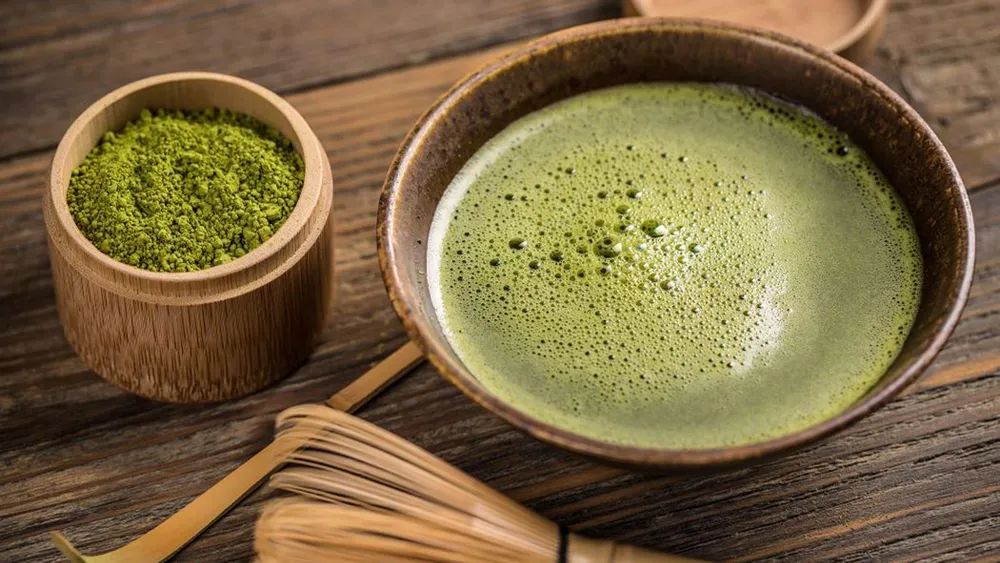
The Alcoholic Tea Market is evolving as beverage producers combine traditional tea ingredients with modern fermentation, extraction, formulation, packaging, and quality-control technologies. Consumer interest in premium drinks, natural ingredients, lower-alcohol options, and distinctive flavor combinations is encouraging manufacturers to invest in technology that can improve consistency while preserving tea’s sensory identity.
Technology is becoming particularly important because alcoholic tea products require careful coordination between tea chemistry and alcohol formulation. Tea contains delicate aromatic compounds, tannins, polyphenols, pigments, and other components that can behave differently when exposed to alcohol, acidity, heat, oxygen, or extended storage. Modern processing technologies are helping producers manage these interactions more precisely.
Advanced Tea Extraction Technologies
One of the most important technology trends in the Alcoholic Tea Market is the development of improved tea extraction methods. Traditional hot-water extraction can sometimes produce excessive bitterness, astringency, or loss of delicate aromas. Producers are therefore exploring controlled extraction techniques designed to obtain desirable flavor compounds while limiting unwanted components.
Temperature-controlled extraction allows manufacturers to adjust heat exposure according to tea variety. Lower temperatures can help preserve delicate floral and fruity aromas, while carefully managed higher temperatures may be useful for extracting stronger flavor profiles from robust tea varieties.
Cold extraction is also gaining attention for premium alcoholic tea formulations. Extended cold extraction can produce smoother tea concentrates with reduced bitterness. These concentrates can subsequently be blended with spirits, fermented bases, or other alcoholic ingredients.
Precision Fermentation and Alcohol Production
Fermentation technology is another significant area of innovation. Alcoholic tea products may use fermented tea bases, alcoholic fermentation, or combinations of tea with established alcoholic beverages. Advances in fermentation control allow producers to manage yeast activity, alcohol development, acidity, aroma formation, and consistency more effectively.
Modern fermentation systems can monitor variables such as temperature, pH, dissolved oxygen, and fermentation progress. Automated controls help reduce batch-to-batch variations and support more predictable product characteristics.
Specialized yeast strains can also influence the final sensory profile. Selected yeasts may contribute fruity, floral, spicy, or other aromatic characteristics that complement specific tea varieties. This gives producers greater flexibility when creating distinctive alcoholic tea beverages.
Natural Flavor Extraction and Aroma Preservation
Flavor technology is becoming increasingly sophisticated as brands attempt to create complex products without relying heavily on artificial flavor systems. Botanical extraction, natural flavor concentrates, and aroma recovery technologies can help preserve the characteristics of tea and complementary ingredients.
For example, producers may combine black tea with citrus, green tea with botanical notes, or oolong tea with tropical fruit flavors. The challenge is ensuring that the added flavors do not overpower the underlying tea profile.
Aroma recovery technologies can capture volatile compounds released during extraction or processing and reincorporate them into the finished beverage. This can improve aromatic intensity while reducing the loss of delicate compounds.
Microfiltration and Clarification Technologies
Clarity and stability are becoming important technical considerations in alcoholic tea production. Tea contains naturally occurring compounds that can interact with alcohol, minerals, proteins, and other ingredients, potentially creating haze or sediment during storage.
Advanced filtration systems can help producers achieve the desired visual appearance while maintaining flavor quality. Microfiltration and other membrane-based technologies can remove selected particles and microorganisms without requiring excessive heat treatment.
Clarification methods can also be adapted according to the intended product style. Some premium beverages may intentionally retain a natural appearance, while others may require a polished and highly transparent presentation.
Low-Temperature Processing
Low-temperature processing is emerging as an important technology for preserving tea character. Excessive heat can affect volatile aromas, color, and certain sensitive compounds. Producers are therefore exploring processing methods that minimize thermal exposure.
Cold blending, controlled chilling, and other low-temperature techniques can help maintain fresher sensory characteristics. These technologies are especially relevant for products positioned around premium tea varieties and sophisticated flavor profiles.
The Alcoholic Tea Market can benefit from such approaches because consumers often expect tea-based alcoholic beverages to retain recognizable tea aromas rather than tasting like conventional flavored alcohol.
Digital Quality Monitoring
Digitalization is changing quality management throughout beverage production. Sensors and automated monitoring systems can continuously measure production parameters and identify deviations earlier than conventional manual testing.
Modern facilities can monitor temperature, pressure, pH, alcohol concentration, flow rates, and other variables in real time. Data collected during production can then be analyzed to identify patterns and optimize future batches.
Digital quality systems also support traceability. Manufacturers can track raw materials, processing conditions, blending parameters, and packaging information across production stages. This can improve consistency and simplify quality investigations when a batch does not meet specifications.
AI-Assisted Product Development
Artificial intelligence and advanced analytics are beginning to influence beverage formulation. Producers can analyze consumer preferences, flavor combinations, purchasing behavior, and product feedback to identify potential formulation opportunities.
AI-assisted development can help evaluate combinations of tea types, alcoholic bases, sweeteners, fruit flavors, herbs, and botanicals. Instead of relying entirely on lengthy trial-and-error processes, development teams can use data-driven approaches to narrow potential formulations before conducting physical testing.
This technology may become particularly valuable as the Alcoholic Tea Market expands into more specialized flavor segments. Manufacturers can develop products for different taste preferences, occasions, alcohol levels, and demographic groups.
Smart Blending and Automated Filling
Automation is improving precision during blending and packaging. Automated dosing equipment can deliver measured quantities of tea extracts, alcohol, flavor ingredients, sweeteners, acids, and other components.
Accurate dosing is essential because small formulation differences can significantly affect flavor balance. Automated blending systems can therefore improve consistency while reducing production losses.
Automated filling equipment is also becoming more sophisticated. High-speed systems can control fill volumes, minimize oxygen exposure, and improve packaging efficiency. Such improvements are particularly valuable for manufacturers seeking to scale production without compromising product uniformity.
Oxygen Management and Packaging Technology
Oxygen can negatively affect beverage quality by contributing to oxidation, flavor deterioration, and color changes. Packaging technology is therefore becoming an important part of alcoholic tea product development.
Manufacturers are using improved bottle, can, closure, and filling technologies to reduce oxygen exposure. Controlled filling environments can minimize oxygen pickup during packaging, while advanced closures can help maintain product integrity during storage.
Light protection is another consideration. Certain tea compounds and flavors can be sensitive to light, making packaging material selection important. Opaque cans, tinted glass, and specialized packaging structures can help protect products from environmental exposure.
Sustainable Processing Technologies
Sustainability is increasingly influencing beverage manufacturing technology. Alcoholic tea producers are exploring methods that reduce water consumption, energy use, ingredient waste, and packaging impacts.
Efficient extraction systems can reduce resource requirements, while automated process controls can minimize rejected batches and material losses. Manufacturers are also investigating ways to reuse or valorize tea leaves and processing by-products.
Packaging innovation is equally important. Lightweight containers, recyclable materials, concentrated formulations, and efficient transportation designs can help reduce the environmental footprint associated with finished beverages.
Functional and Low-Alcohol Formulation Technology
Technology is also supporting the development of alcoholic tea products with differentiated nutritional and functional positioning. Producers are experimenting with lower alcohol concentrations, reduced-sugar formulations, natural sweeteners, botanical ingredients, and alternative flavor systems.
Microencapsulation and controlled-release technologies may provide additional opportunities by protecting sensitive flavor or botanical compounds during processing and storage. These approaches can help manufacturers create products with improved stability and targeted sensory performance.
Low-alcohol formulations require particular technical precision because reducing alcohol can alter mouthfeel, aroma intensity, preservation characteristics, and overall balance. Advanced formulation techniques can help compensate for these changes.
Future Technology Outlook
Technology will remain a major competitive factor as the Alcoholic Tea Market becomes more sophisticated. Future innovation is likely to focus on precision fermentation, cleaner extraction, advanced filtration, automated production, intelligent quality control, sustainable processing, and personalized product development.
The combination of tea expertise with modern beverage technology can create products that deliver more consistent flavor, improved shelf stability, and distinctive sensory experiences. Manufacturers that successfully integrate these technologies will be better positioned to respond to consumers seeking premium, convenient, innovative, and differentiated alcoholic beverages.
Ultimately, technology is transforming alcoholic tea from a niche beverage concept into a product category capable of supporting sophisticated formulation and manufacturing strategies. As processing systems become more efficient and data-driven, innovation across ingredients, production, packaging, and quality management is expected to shape the next stage of growth in the Alcoholic Tea Market.
Learn more: https://www.pristinemarketinsights.com/alcoholic-tea-market-report