Aloe Vera Drinks Market Investment Opportunities Across Emerging Health Beverage Segments
-

- Published Updated
- 4,257 views
Introduction
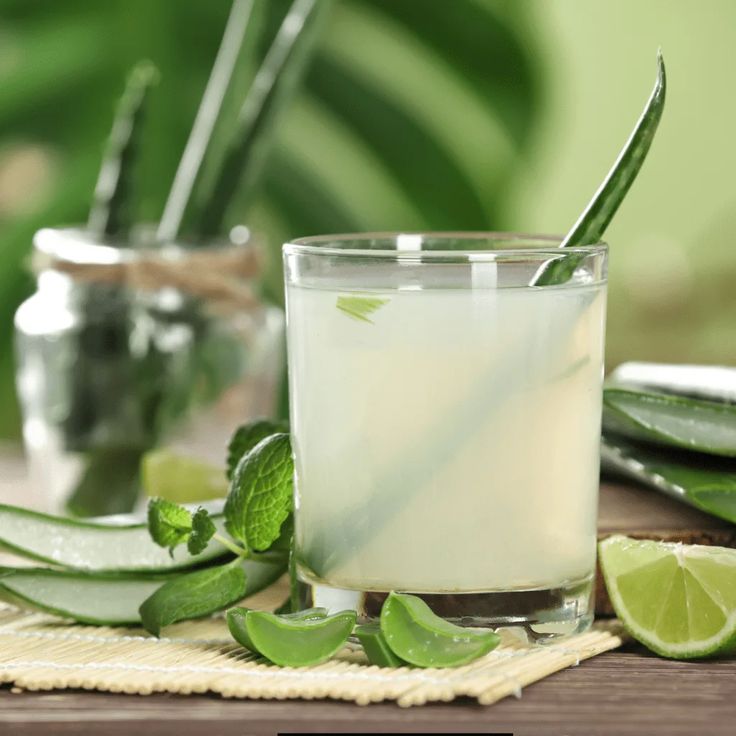
The Aloe Vera Drinks market is gaining attention as consumers increasingly seek beverages that combine refreshment with perceived wellness benefits. Once positioned mainly as a niche health drink, aloe vera beverages are becoming more visible across supermarkets, convenience stores, specialty retailers, foodservice outlets, and online platforms. Growing interest in functional beverages, natural ingredients, clean-label products, and plant-based nutrition is creating new investment opportunities across the value chain.
For investors, the opportunity extends beyond simply manufacturing aloe vera beverages. It includes ingredient sourcing, processing technology, packaging, product innovation, distribution, private-label manufacturing, digital commerce, and expansion into emerging geographic markets. Companies capable of combining product quality, regulatory compliance, attractive branding, and efficient supply chains can potentially establish strong positions in this evolving category.
Growing Consumer Interest in Functional Beverages
One of the most important investment opportunities comes from the broader shift toward functional beverages. Consumers are increasingly evaluating drinks based on more than taste and hydration. They are looking for products associated with wellness, natural ingredients, digestive support, and healthier lifestyles.
Aloe vera naturally fits into this trend because it is widely recognized as a plant-based ingredient with a long history of use in wellness-oriented products. This recognition can help beverage companies create differentiated offerings compared with conventional carbonated drinks.
Investors can therefore explore businesses that develop aloe vera beverages positioned around wellness, natural refreshment, and everyday consumption. Products designed for specific consumer groups, such as health-conscious adults, active consumers, and younger buyers seeking alternative beverages, may provide additional opportunities.
Product Innovation Creates New Revenue Streams
Investment potential is also increasing through product diversification. Traditional aloe vera drinks are only one part of the opportunity. Manufacturers can experiment with flavored beverages, reduced-sugar products, functional blends, sparkling formats, ready-to-drink products, and premium formulations.
Popular fruit flavors can help improve consumer appeal while reducing the perception that aloe vera beverages are limited to health-focused consumers. Blending aloe vera with ingredients such as citrus, berries, tropical fruits, herbs, or other plant-based components can create differentiated products.
There is also room for premium and specialized formulations. Low-calorie, organic-positioned, clean-label, and naturally flavored products may attract consumers willing to pay higher prices. Investment in research and development can help companies create distinctive formulas while maintaining consistent taste and texture.
Opportunities in Premium and Clean-Label Products
The clean-label movement presents another attractive area for investment. Consumers increasingly scrutinize ingredient lists and prefer products with recognizable ingredients and simpler formulations.
Aloe vera beverage manufacturers can respond by reducing unnecessary additives, developing transparent ingredient communication, and emphasizing responsible sourcing. Premium packaging and carefully developed branding can further strengthen product positioning.
Investors may find opportunities in companies that combine aloe vera with other naturally positioned ingredients while maintaining a clear product proposition. However, claims must be carefully managed because wellness-oriented marketing can face regulatory restrictions in different markets.
Expansion Through E-Commerce and Direct-to-Consumer Channels
Digital commerce is changing how beverage brands reach consumers. Traditional supermarket distribution remains important, but online platforms allow emerging brands to enter markets without immediately establishing extensive physical distribution networks.
Aloe vera beverage companies can use e-commerce to test new products, reach niche audiences, collect customer feedback, and build recurring purchasing models. Subscription-based deliveries can be particularly relevant for consumers who regularly purchase wellness beverages.
Investment in direct-to-consumer infrastructure can also provide valuable consumer insights. Brands can identify popular flavors, price preferences, geographic demand, and repeat-purchase behavior. This information can support more effective product development and marketing decisions.
Geographic Expansion in Emerging Markets
Geographic diversification offers substantial investment potential. Consumer awareness of aloe vera beverages varies significantly across regions, creating opportunities for businesses that can introduce products through localized strategies.
Markets with expanding middle-class populations, growing modern retail networks, increasing health awareness, and rapidly developing e-commerce infrastructure can provide attractive expansion opportunities. Companies can adapt flavors, package sizes, pricing structures, and marketing messages according to local preferences.
Export-oriented businesses may also benefit from developing standardized production systems that allow them to serve multiple markets. However, investors should evaluate local food regulations, labeling requirements, import procedures, taxation, and distribution infrastructure before committing capital to international expansion.
Investment in Processing and Manufacturing Infrastructure
Infrastructure investment represents another important opportunity within the Aloe Vera Drinks market. Producing consistent beverages requires appropriate processing, filtration, stabilization, filling, packaging, and quality-control capabilities.
Investors can consider manufacturing facilities that support multiple beverage formats rather than relying on a single product. Flexible production lines can allow manufacturers to produce different flavors, bottle sizes, and formulations according to market demand.
Technology investment can also improve production efficiency. Automation, quality monitoring, waste reduction systems, and improved preservation techniques can contribute to operational reliability and help manufacturers maintain consistent product quality at larger volumes.
Sustainable Packaging and Supply Chain Opportunities
Sustainability is increasingly influencing beverage purchasing decisions and corporate investment strategies. Packaging therefore represents a potentially important area for innovation.
Companies can explore recyclable materials, lightweight containers, responsible packaging designs, and efficient transportation systems. Reducing packaging weight can lower logistics costs while potentially improving environmental performance.
The supply chain itself offers additional opportunities. Reliable sourcing of quality aloe vera ingredients is essential for consistent production. Investors may consider partnerships with growers, agricultural processing companies, or vertically integrated supply networks to improve supply security.
Private-Label and Contract Manufacturing Potential
Private-label production provides another avenue for growth. Supermarket chains, specialty retailers, wellness companies, and online brands may prefer to outsource beverage manufacturing rather than establish their own facilities.
Contract manufacturers specializing in aloe vera beverages can serve multiple clients and spread production costs across different brands. This model can provide opportunities for investors interested in business-to-business beverage manufacturing rather than consumer-facing brands.
Manufacturers with flexible minimum order quantities, strong quality systems, innovative packaging capabilities, and regulatory expertise may be particularly well positioned to capture private-label demand.
Strategic Partnerships and Brand Development
Partnerships can accelerate market penetration. Beverage companies may collaborate with retailers, fitness businesses, wellness platforms, foodservice operators, hospitality groups, or established distributors.
Brand development is equally important. Aloe vera beverages compete not only on functional positioning but also on flavor, convenience, packaging, price, and visual identity. Investors should therefore consider businesses that have strong capabilities in consumer marketing and brand storytelling.
Influencer-led digital campaigns, educational content, sampling programs, and experiential marketing can help introduce aloe vera beverages to consumers who may not have previously purchased them.
Key Considerations for Investors
Despite the opportunities, investment decisions should consider several risks. Consumer perceptions can vary by market, and demand may depend heavily on effective product positioning. Raw material availability, ingredient quality, production costs, packaging expenses, transportation, and regulatory requirements can influence profitability.
Investors should also assess whether a company has a sustainable competitive advantage. A strong opportunity is more likely to emerge when a business combines reliable sourcing, efficient manufacturing, differentiated formulations, recognizable branding, and scalable distribution.
Price sensitivity is another important consideration. Premium products can generate higher margins, but excessive pricing may restrict mass-market adoption. Successful companies will need to balance premium positioning with affordability.
Future Investment Outlook
The investment outlook for the Aloe Vera Drinks market is supported by several interconnected trends: growing interest in functional beverages, demand for plant-based products, clean-label preferences, product innovation, digital retail expansion, and increasing consumer attention toward wellness.
Future opportunities are likely to emerge from businesses that move beyond basic aloe vera drinks and develop distinctive product ecosystems. Functional blends, convenient formats, sustainable packaging, personalized offerings, premium products, and international distribution can all expand revenue potential.
Overall, the Aloe Vera Drinks market presents a diversified investment landscape spanning agriculture, ingredients, manufacturing, packaging, branding, technology, logistics, and retail. Investors with a long-term approach can benefit by identifying companies that understand changing consumer preferences while maintaining strong quality, operational efficiency, regulatory discipline, and scalable business models.
Learn more: https://www.pristinemarketinsights.com/aloe-vera-drink-market-report