Amiri Logo Explained: Symbolism, Design Elements, and Cultural Legacy
-

- Published Updated
- 2,770 views
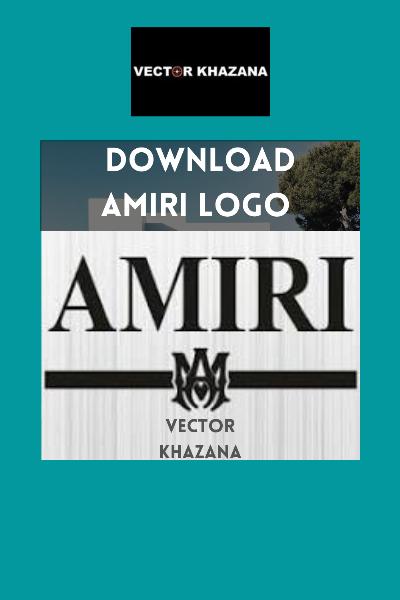
The Amiri logo has become a recognizable mark within contemporary brand identity and fashion. The Amiri logo combines typographic choices, cultural references, and visual motifs to communicate a curated mixture of heritage and modern luxury, making it an instructive case for studies in graphic design and branding.
- The Amiri logo pairs distinctive typography with stylistic elements that reference heritage, craftsmanship, and urban style.
- Design influences include serif and script traditions, high-contrast letterforms, and monogram-like compositions.
- Its legacy spans brand recognition, trademark considerations, and influence on visual culture in luxury and streetwear contexts.
- Legal protection and brand stewardship are relevant to maintaining visual identity and preventing misuse.
Amiri logo: design and symbolism
The design of the Amiri logo centers on a clear logotype that frequently leverages high-contrast letterforms, custom ligatures, and an aesthetic that bridges classic serif traditions with contemporary urban cues. In visual identity terms, the logo functions as a signifier of brand values: quality, craft, and a curated relationship between past and present. Semiotic elements within the mark often convey exclusivity and authorship; a tightly spaced wordmark or distinctive monogram suggests craftsmanship, while subtler details—flourishes, terminal shapes, or vertical stress—anchor the design to typographic history.
Typographic choices
Typography in the Amiri logo emphasizes proportion and rhythm. Serif features, if present, are typically adapted to create a unique silhouette rather than relying on a standard typeface. Custom lettering and ligatures are common strategies used to increase distinctiveness and improve legibility across media from labels and apparel tags to digital applications.
Symbolic references
Symbolic references in the logo frequently draw on cultural and historical motifs. These may include nods to craftsmanship, regional calligraphic traditions, or visual tropes associated with haute couture and streetwear convergence. The resulting imagery operates at both literal and associative levels, signaling product lineage and aesthetic positioning without explicit statements.
Historical and cultural influences
The Amiri logo does not exist in isolation; it is part of a lineage of logos that balance classical influences with contemporary cultural production. Historically, many fashion and lifestyle marks adapted elements from classical typography, calligraphy, and heraldic devices to convey authority and longevity. In some cases, regional calligraphy or local design traditions inform subtle stylistic decisions, especially when a brand seeks to express cultural authenticity alongside international appeal.
Heritage versus modernity
Balancing heritage and modernity is a common motive behind logo decisions. A brand that signals heritage may use letterforms with historical references, while modern cues—minimal spacing, simplified shapes, or bold contrasts—update the impression to remain relevant in global markets.
Cross-cultural reception
Reception varies by audience. Visual elements that resonate as sophisticated in one market may read differently elsewhere. Designers often test marks in multiple contexts—print, product tags, web interfaces—to ensure consistent communication across cultures and media.
Visual components and practical applications
Practical deployment of the Amiri logo includes product labels, storefront signage, digital media, and editorial contexts. Effective brand identity systems define clear rules for spacing, color use, minimum sizes, and acceptable alterations. In many contemporary identities, a primary wordmark is complemented by secondary elements such as a simplified monogram, pattern systems, or seal marks to increase flexibility and recognition at varying scales.
Color and scale
Color choices are typically restrained—neutral palettes or single-color variants—to maintain legibility and to align with luxury and premium positioning. Scale-related guidelines preserve recognition when the mark is applied to small items like hardware or large-scale installations like store facades.
Brand stewardship
Maintaining consistency requires governance: brand guidelines, approvals for co-branding, and checks on third-party usage. These practices protect visual identity and help preserve perceived value over time.
Legal protection and legacy
Like many prominent marks, the Amiri logo benefits from legal protections when registered as a trademark in relevant jurisdictions. Trademark registration helps prevent confusingly similar marks from harming brand equity and offers legal remedies against unauthorized use. For general guidance on trademark policies and procedures, consult the World Intellectual Property Organization’s resources on trademarks: WIPO trademarks. Additionally, designers and brand managers often rely on intellectual property counsel to navigate international filings and enforcement.
Enduring influence
The legacy of a logo depends on continued relevance, proper stewardship, and cultural resonance. A well-managed mark amplifies brand recognition, supports product narratives, and can influence wider design trends in its sector.
Academic and industry perspectives
Academic research on branding and semiotics, as found in journals on marketing and design, underscores that logo meaning is co-created by designers, marketers, and audiences. Industry organizations such as professional design associations provide best-practice frameworks for identity development, testing, and implementation.
FAQ
What does the Amiri logo mean?
The Amiri logo functions primarily as a visual shorthand for the brand’s identity, blending typographic choices and cultural references to convey quality, heritage, and contemporary style. Specific meanings emerge from design details—letterforms, spacing, and any ornamental motifs—which together form associations with craftsmanship and curated aesthetics.
How is the Amiri logo protected legally?
Legal protection typically involves trademark registration in markets where the brand operates. Registration provides exclusive rights and remedies against unauthorized use; international protection requires filings in individual jurisdictions or through regional systems.
Why do designers alter letterforms in logos like the Amiri logo?
Customizing letterforms increases distinctiveness, improves legibility across applications, and encodes symbolic references that support brand storytelling. Alterations are a practical way to develop a signature identity that is difficult to replicate.
Can the visual legacy of a logo influence product design?
Yes. A logo’s visual language often informs product details, packaging, and retail environments, creating a cohesive brand ecosystem that reinforces recognition and perceived value.