Amorphous Core Technology for Modern Transformer Manufacturing
-

- Published Updated
- 73 views
Electricity is an important part of daily life but getting it to people in a good way needs more than just strong power plants and good power lines. Transformers also need to cut down on energy waste while still working well when conditions change. This is when the kind of material used for the core matters a lot.
Advanced Amorphous works with material technology and studies, including making high-saturation-induction amorphous strips. These materials can be used instead of regular electrical steel in places where cutting down on transformer core losses is the main goal.
For companies thinking about using an amorphous core for transformer manufacturer in Delhi, learning about the technology, the real benefits and how it fits into the power system can make the decision easier. The goal is not just to pick a material but to find a solution that works for the electrical needs, the manufacturing process and the way the equipment will be used.
What Is an Amorphous Transformer Core?
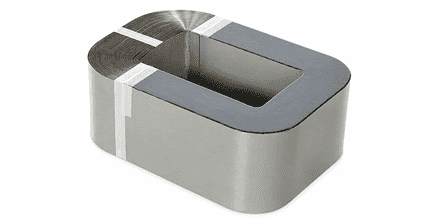
A transformer core helps create a route for the field that is needed to move electricity between the different parts of the transformer. The way the material is made affects how well the transformer works and how much energy is lost when the magnetic field is created.
Most transformer cores are made by putting together sheets of steel to create the right magnetic setup. Amorphous cores are different because they are made from metal alloys that cool down very quickly, giving them a structure that doesn't have a regular crystal shape.
This difference changes how the material acts when it is magnetized. Amorphous alloys can have energy loss when they are magnetized compared to regular electrical steel. This makes them good for transformers where it's important to use less power when the transformer is not working.
The main characteristics of amorphous core materials include:
Non-crystalline structure: The atomic arrangement differs from that of conventional crystalline electrical steel.
Favourable magnetic properties: Material characteristics can help reduce energy lost during repeated magnetization.
Thin metallic strips: Their construction helps control eddy-current losses.
Energy-saving potential: Suitable core designs can reduce no-load losses in distribution transformers.
For an amorphous core for transformer manufacturer in Delhi, these properties provide a foundation for developing transformer solutions designed around energy efficiency and application-specific performance.
Why Core Material Matters in Transformer Efficiency
A transformer can stay powered for periods even when the electricity demand connected to the transformer is low. During these periods core losses continue to occur. Across distribution networks that contain thousands of transformers even small differences in the losses of transformers can have a meaningful cumulative effect.
Amorphous materials are especially relevant, to this challenge because they can reduce no-load losses compared with electrical steel core designs. The actual reduction varies according to the core design, material specifications, operating conditions and transformer rating.
For utilities and industrial users this difference can influence the lifetime electricity consumption of the transformer. It also gives transformer manufacturers an opportunity to evaluate core materials against efficiency targets than considering initial manufacturing costs alone.
When selecting an amorphous core for transformer manufacturer in Delhi, businesses should examine the expected operating conditions and compare verified loss figures for technically comparable transformer designs.
Advanced Amorphous: Research and Material Development
Material development is a factor in making transformer performance better.
Advanced Amorphous says that research and development is one of its tasks and it has set up a shared laboratory that focuses on high‑Bs amorphous strip materials.
This work matters because transformer needs can change a lot from one use to another.
A material meant for a distribution transformer has to be checked for its traits how it can be made and whether it fits with the final core.
Research, into strips also shows that one must balance how well the material works with real manufacturing concerns.
The size of the strip how it is handled how the core is put together. How clean the processing is can all change the result.
For manufacturers considering an amorphous core for transformer manufacturer in Delhi, technical discussions should cover the specific requirements of the intended transformer. This helps establish whether the material and core configuration are suitable for the application instead of relying on general efficiency claims.
Key Benefits of Amorphous Transformer Cores
1. Reduced No-Load Losses
No-load losses occur when a transformer is energized, regardless of whether it is supplying a substantial electrical load. Because transformers may remain operational around the clock, these losses can accumulate throughout their service life.
Amorphous core technology can reduce this energy wastage when incorporated into an appropriately designed transformer. The resulting savings depend on the difference in measured losses and the number of hours the transformer operates.
2. Improved Energy Management
For electricity distribution companies, commercial facilities, and industrial operations, transformer efficiency is one element of wider energy management.
Choosing suitable core materials can help reduce avoidable losses and support more efficient power distribution. However, the complete system must also be considered, including transformer loading, winding losses, operating voltage, and maintenance.
3. Potential Lifecycle Cost Savings
A transformer with lower no-load losses may offer financial benefits over its working life. These benefits depend on electricity tariffs, annual operating hours, purchase price, maintenance requirements, and the expected service period.
A lifecycle comparison can help businesses determine whether the additional investment, if any, is justified by anticipated energy savings.
4. Support for Resource Conservation
Reducing electricity losses means less energy is wasted during distribution. This can support energy-conservation goals, although the overall environmental impact also depends on electricity generation, manufacturing processes, material sourcing, and end-of-life management.
These considerations explain why an amorphous core for transformer manufacturer in Delhi should be assessed on measurable technical performance and long-term application requirements, not promotional claims alone.
Applications of Amorphous Transformer Cores
Amorphous cores are especially relevant to distribution transformers where reducing no-load losses is an important design objective. Their suitability depends on the intended electrical rating, core configuration, installation conditions, and applicable technical requirements.
Potential application areas include:
Electricity distribution: Transformers supplying power to residential neighbourhoods and commercial areas.
Industrial facilities: Electrical distribution systems serving factories, production units, and processing plants.
Commercial buildings: Power infrastructure for offices, retail premises, and other commercial developments.
Infrastructure projects: Distribution systems where efficient and dependable power delivery is required.
Energy-efficiency programmes: Projects evaluating transformer losses as part of broader electricity-saving measures.
Advanced Amorphous lists single-phase core-type, single-phase shell-type, and three-phase three-limb core configurations on its website. These product categories give manufacturers specific configurations to review against their design requirements.
A business seeking an amorphous core for transformer manufacturer in Delhi should confirm the availability and suitability of the required configuration before finalizing specifications or procurement.
What to Check Before Choosing a Core
Selecting a transformer core involves more than comparing material prices. Manufacturers need to understand how the core will perform within the complete electrical assembly and whether the proposed specifications meet project requirements.
Before making a decision, consider the following points:
Magnetic performance: Review documented core-loss figures and relevant magnetic properties.
Core configuration: Match the design to the transformer rating and intended application.
Material quality: Check dimensional consistency and appropriate inspection procedures.
Technical documentation: Request specifications and applicable test reports.
Manufacturing compatibility: Confirm that the material can be processed using suitable core assembly methods.
Lifecycle economics: Compare purchase costs with expected energy savings over the operating period.
For anyone assessing an amorphous core for transformer manufacturer in Delhi, these checks provide a practical basis for comparing available solutions. Actual performance should be established through reliable test results for comparable transformer designs.
Why Consider Advanced Amorphous?
Advanced Amorphous brings together a focus on material technology and research into high-Bs amorphous strips. The information that is published offers a starting point for manufacturers who are looking for core materials for energy-conscious transformer applications.
When talking about a requirement, with the company manufacturers need to make sure to explain:
The transformer rating and the core configuration.
The electrical and dimensional specifications that apply.
The core-loss performance that is expected.
The availability of the material. The delivery requirements.
The testing, documentation and quality standards that are needed.
These details help establish whether the proposed solution fits the intended application. Businesses looking for an amorphous core for transformer manufacturer in Delhi can use this information to begin a focused technical discussion with Advanced Amorphous.
Conclusion
Transformer efficiency depends on linked factors but the core material remains a key part of the design. Amorphous technology offers a way to cut losses, which helps manufacturers boost energy efficiency in distribution applications.
Advanced Amorphous showcases research and development, in strip materials and it also shows a strong commitment to progress in technology and to conserving resources. For manufacturers the next step is to check the material specifications compare verified performance data and make sure the material works with the intended transformer design.
Choosing an amorphous core for transformer manufacturer in Delhi should ultimately come down to technical evidence, manufacturing requirements, and lifecycle value. A well-informed selection can help businesses develop transformer solutions that balance dependable operation with lower energy losses.