District Heating Market Barriers Revealing Hidden Costs Behind Network Expansion Plans
-

- Published Updated
- 6,330 views
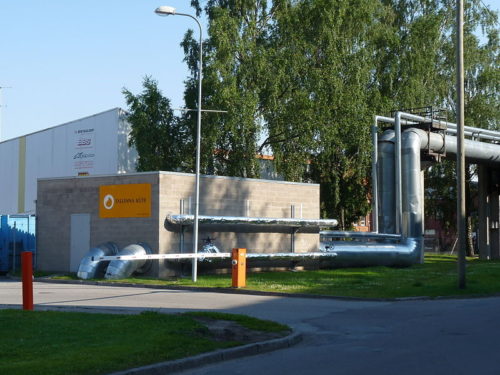
Every infrastructure success story begins with a promise. In district heating, that promise is simple enough to understand yet difficult to deliver at scale. Cities seek cleaner heating solutions, energy providers pursue efficiency gains, and consumers expect reliable service. Yet beneath this ambition lie persistent district heating market barriers that continue to shape investment decisions and project viability.
The challenge is not a lack of interest. Demand for efficient thermal energy networks is growing across urban regions. The real issue is navigating obstacles that emerge long before a system begins supplying heat. Understanding these barriers is essential for utilities, policymakers, developers, and investors evaluating long term opportunities.
District Heating Infrastructure Challenges Shaping Market Adoption
One of the most significant hurdles facing the sector is the high upfront capital requirement. Unlike standalone heating solutions, district heating networks depend on extensive underground pipe systems, centralized generation facilities, and complex distribution infrastructure. These investments require substantial financial commitment before any meaningful revenue can be generated.
Many municipalities struggle to justify large expenditures when competing priorities exist. Even when funding becomes available, project timelines can stretch across multiple planning phases, increasing financial risk and uncertainty. This often slows adoption despite strong environmental and operational benefits.
Another factor influencing growth is the complexity of retrofitting existing urban environments. Installing network infrastructure in densely populated areas can disrupt transportation routes, businesses, and residential communities. Stakeholder resistance frequently emerges when construction impacts daily activities.
Regulatory fragmentation also creates complications. Energy policies, building standards, and local planning regulations often vary between jurisdictions. As a result, developers must navigate multiple approval processes that can delay project implementation and increase costs.
Technology integration presents an additional challenge. Modern district heating networks increasingly rely on renewable energy sources, waste heat recovery, and smart energy management systems. While these innovations improve performance, they can also introduce operational complexity that requires specialized expertise.
District Heating Network Investment Risks And Market Constraints
Investment decisions are heavily influenced by uncertainty surrounding future demand. A district heating network performs best when a sufficient number of buildings are connected. Securing long term customer commitments before construction begins can be difficult, especially in competitive energy markets.
This creates a classic market dilemma. Customers may hesitate to commit until infrastructure exists, while investors often require confirmed demand before financing projects. Breaking this cycle requires strong planning, incentives, and coordinated stakeholder engagement.
Another overlooked issue involves consumer perception. Many property owners remain unfamiliar with the benefits of centralized heating systems. Concerns about pricing transparency, service flexibility, and dependence on a single provider can reduce willingness to connect.
Supply chain considerations also deserve attention. Large scale thermal networks require specialized equipment, engineering services, and skilled labor. Delays in procurement or workforce shortages can significantly affect project schedules and budgets. These risks become more pronounced as multiple regions pursue energy transition initiatives simultaneously.
Emerging opportunities in renewable district heating solutions offer potential pathways forward, but integration requires careful system design. Low temperature networks, geothermal resources, industrial waste heat, and biomass technologies can improve sustainability outcomes. However, each solution introduces distinct technical and economic considerations that must be evaluated on a project specific basis.
Market participants are also paying closer attention to urban energy infrastructure planning. Successful projects increasingly depend on collaboration between local governments, utilities, property developers, and technology providers. Early coordination helps identify demand clusters, optimize network routes, and reduce implementation risks.
In many regions, financing structures are evolving to address market constraints. Public private partnerships, green financing mechanisms, and long term concession models are helping distribute risk more effectively. These approaches can improve project bankability while supporting broader sustainability objectives.
The role of energy efficiency in district heating systems is becoming increasingly important as operators seek to maximize network performance. Improved building efficiency can reduce overall heat demand while enabling networks to operate more effectively. Balancing efficiency improvements with network economics remains a critical strategic consideration.
Despite existing challenges, the sector continues to attract attention because of its ability to support decarbonization goals, improve energy resilience, and optimize resource utilization. The barriers are substantial, but they are not insurmountable when supported by thoughtful planning and strong stakeholder alignment.
The future of district heating will be shaped not only by technological innovation but also by how effectively industry leaders address the structural challenges that limit adoption. Organizations that understand these market realities will be better positioned to identify opportunities, mitigate risks, and create lasting value. The next phase of growth belongs to those willing to look beyond the obstacles and recognize the strategic transformation taking place beneath the surface.