Managing Anxiety Disorders Can Be Challenging, But Effective Treatment Options Are Available
-

- Published Updated
- 1,646 views

Anxiety is a normal human response to stress, uncertainty, or perceived danger. Everyone experiences it from time to time. However, when persistent worry, fear, nervousness, or panic begins interfering with everyday life, it may be more than ordinary stress. Visit Now >> https://rxsalespharma.com/pills/adderall-30-mg/
Anxiety disorders can affect sleep, concentration, relationships, work, and overall quality of life. The good news is that anxiety disorders are treatable, and many people find meaningful relief with the right combination of professional support, healthy habits, and, when appropriate, medication.
Understanding Anxiety Disorders
Anxiety disorders are not limited to simply feeling nervous before an important event. They can involve persistent and difficult-to-control worry or sudden episodes of intense fear.
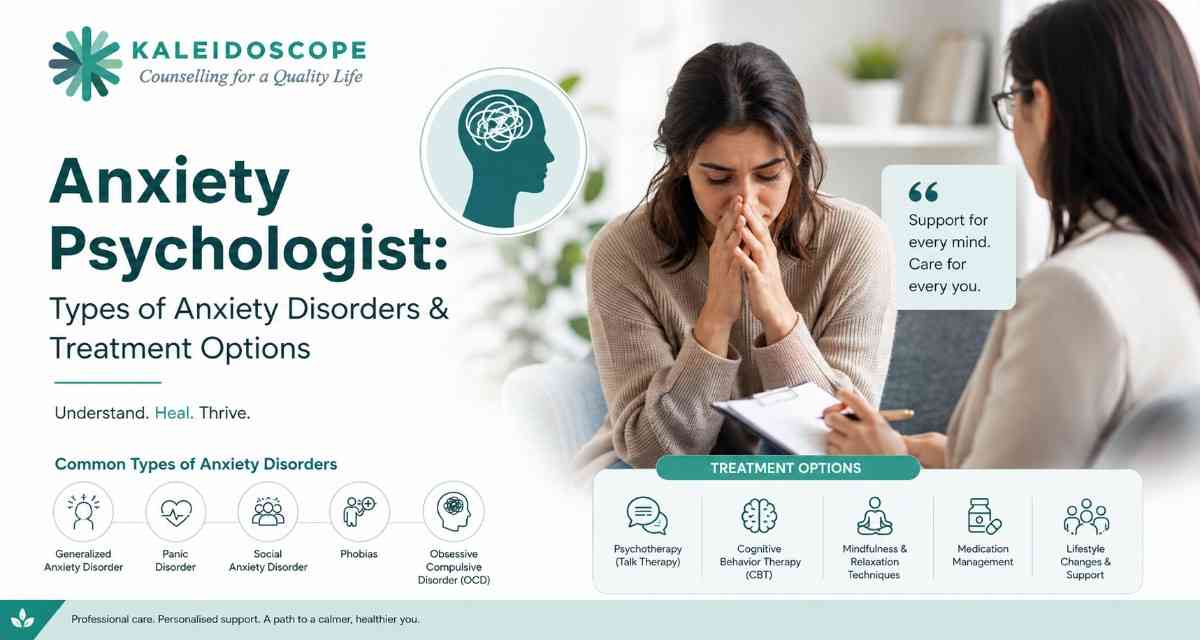
Common types include generalized anxiety disorder, panic disorder, social anxiety disorder, and specific phobias. Although symptoms vary, people may experience restlessness, racing thoughts, muscle tension, difficulty concentrating, rapid heartbeat, sweating, sleep problems, or a strong feeling that something is wrong.
Recognizing these symptoms is an important first step. Anxiety should not be dismissed simply because its symptoms are sometimes invisible to others.
Why Treating Anxiety Can Be Difficult
There is no single treatment that works identically for everyone. Anxiety can develop from a combination of genetic, environmental, psychological, and lifestyle factors.
For some people, symptoms may be relatively mild and respond well to lifestyle changes and therapy. Others may experience severe or persistent symptoms that require a more comprehensive treatment plan.
Another challenge is that people sometimes wait until anxiety becomes overwhelming before seeking help. Early professional guidance can make it easier to understand the underlying problem and identify appropriate treatment options.
Therapy Can Make a Significant Difference
Psychotherapy is one of the commonly used approaches for managing anxiety disorders. Cognitive behavioral therapy (CBT), for example, can help people identify unhelpful thought patterns and develop healthier ways of responding to anxiety-provoking situations.
Therapy can also provide practical techniques for managing stress, challenging fearful thoughts, and gradually facing situations that trigger anxiety.
For some individuals, counseling or other forms of psychotherapy may be sufficient. Others may benefit from combining therapy with medication under the supervision of a healthcare professional.
Medication May Be Appropriate for Some Patients
Medication is another treatment option that healthcare professionals may consider depending on the type and severity of anxiety.
Several categories of medication may be used in anxiety treatment. Some are intended for longer-term symptom management, while certain prescription medicines may be used for short-term or specific situations.
Benzodiazepines, including alprazolam, are prescription medicines that can have a rapid calming effect. However, they also carry important risks, including sedation, dependence, misuse, and withdrawal problems. For this reason, they should only be used when prescribed and monitored by an appropriate healthcare professional.
The right medication, dose, and duration depend on the individual's symptoms, medical history, other medications, and response to treatment. Medication should never be started, stopped, or adjusted without professional guidance.
Lifestyle Changes Can Support Anxiety Management
Professional treatment is important, but everyday habits can also support emotional well-being.
Regular physical activity may help reduce stress and improve mood. Maintaining a consistent sleep schedule can also be beneficial because poor sleep may make anxiety symptoms more difficult to manage.
Other useful habits can include:
- Practicing relaxation or breathing exercises
- Limiting excessive caffeine
- Maintaining regular meals
- Staying socially connected
- Taking breaks from stressful environments
- Creating a consistent daily routine
- Practicing mindfulness or meditation
These strategies are not substitutes for professional treatment when anxiety is severe, but they can complement an appropriate treatment plan.
Finding the Right Treatment Takes Time
It is understandable to become frustrated when the first approach does not provide immediate relief. Anxiety treatment often requires some adjustment.
A healthcare professional may recommend therapy, medication, lifestyle changes, or a combination of approaches. Follow-up appointments can help determine whether symptoms are improving and whether the treatment plan needs to be modified.
Keeping track of symptoms, triggers, sleep patterns, and medication effects can also make conversations with a healthcare provider more productive.
Be Careful When Looking for Anxiety Medication Online
The convenience of online healthcare has made it easier for people to access medical consultations. However, convenience should never come at the expense of safety.
Prescription anxiety medications should only be obtained through legitimate healthcare channels and used according to a valid prescription. Unverified websites may sell counterfeit, contaminated, incorrectly dosed, or otherwise unsafe products.
A legitimate telehealth service should involve an appropriate medical evaluation rather than simply allowing someone to purchase prescription medication without professional assessment.
When Should You Seek Professional Help?
If anxiety is regularly interfering with your work, studies, relationships, sleep, or ability to perform everyday activities, consider speaking with a qualified healthcare professional.
You should also seek urgent help if anxiety is accompanied by thoughts of self-harm, severe confusion, loss of consciousness, breathing difficulties, or another medical emergency.
You do not have to wait until anxiety completely takes over your life before asking for help.
Final Thoughts
Living with an anxiety disorder can be exhausting, but it does not mean that you have to manage everything alone. Effective treatment may involve psychotherapy, medication, lifestyle adjustments, or a combination tailored to the individual.
The most important step is finding appropriate professional guidance and giving yourself time to discover what works for you. With proper support and consistent care, anxiety symptoms can become more manageable, allowing people to regain confidence and participate more fully in everyday life.