How Argan Oil Improves Scalp Health: Boost Hair Growth and Reduce Dandruff Safely
-
- Published Updated
- 1,160 views
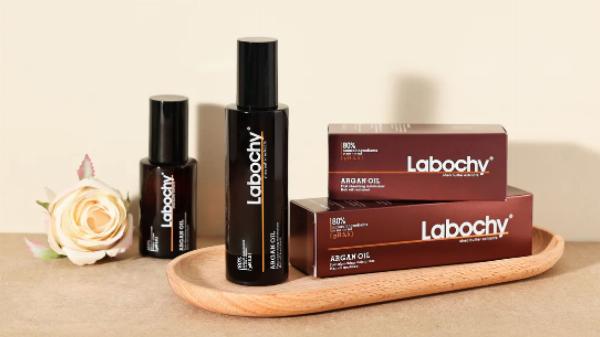
Argan oil for scalp health has gained attention as a natural option to support hair growth and reduce dandruff by moisturizing the scalp, supplying antioxidant vitamin E, and balancing sebum. This guide explains how it works, safe ways to use it, and practical protocols for visible improvement over weeks.
- Intent: Informational
- Primary focus: argan oil for scalp health — benefits, use, and precautions
- Includes: SCALP checklist, application steps, tips, and common mistakes
What argan oil for scalp health actually does
Argan oil is a plant-derived oil rich in fatty acids (oleic and linoleic acid) and vitamin E. Applied to the scalp, it can temporarily improve skin hydration, reduce flaking related to dryness, and smooth the hair shaft. For inflammatory scalp conditions, the oil's antioxidants may help reduce oxidative stress but are not a substitute for medical treatments when needed.
Benefits, science, and realistic expectations
Key potential benefits include:
- Moisturizing dry scalp to reduce visible flaking.
- Reducing hair breakage by improving hair elasticity and lubrication of the hair cuticle.
- Supporting scalp barrier function through fatty acids and vitamin E.
Scientific context: small studies and dermatology literature note that emollients and oils can improve scalp dryness and symptom control. For persistent dandruff or seborrheic dermatitis, antifungal or medicated therapies recommended by dermatology societies often remain necessary — see guidance from the American Academy of Dermatology.
How to use argan oil on the scalp safely (step-by-step)
Using argan oil correctly affects outcomes. Follow these actionable steps for a basic routine that balances benefit and risk.
Step-by-step application
- Patch test: Apply one drop to inner forearm for 24 hours to check for sensitivity.
- Pre-shampoo massage: Warm 1–2 teaspoons between palms, part hair in sections, then massage gently into the scalp for 3–5 minutes to increase circulation and distribute oil.
- Leave time: Leave on for 30 minutes to overnight. For oily or acne-prone scalps, limit to 20–30 minutes.
- Shampoo and rinse: Use a gentle cleanser to remove residue; repeat if hair feels greasy.
- Treatment frequency: Start 1–2 times per week and adjust based on scalp response.
SCALP checklist: a simple framework before applying oils
Use the SCALP checklist to decide when and how to use argan oil for best results.
- Soothe — Confirm the scalp is not actively infected or severely inflamed.
- Cleanse — Remove heavy product buildup before oil application.
- Apply — Warm the oil and use measured amounts to avoid over-oiling.
- Leave — Allow enough contact time; avoid prolonged use if prone to greasiness.
- Protect — Rinse thoroughly and follow with appropriate conditioner or medicated treatment if needed.
Real-world example: a simple scenario
A person notices increased scalp flaking during winter and hair that feels brittle. After a patch test, argan oil is used as a 30-minute pre-shampoo treatment twice weekly. After 6 weeks, flaking reduced and hair felt less brittle. Persistent redness prompted consultation with a dermatologist and the addition of a medicated shampoo, illustrating that oil can help symptoms but medical review is needed for persistent issues.
Practical tips for best results
- Start with small amounts — 1 teaspoon for short hair, 2–3 for longer hair — to avoid buildup.
- Use warm (not hot) oil to improve spreadability and comfort during the massage.
- Combine with gentle cleansing — clarify with a mild shampoo if residue accumulates.
- Avoid adding essential oils or fragrances unless allergy testing is done; pure argan oil minimizes irritants.
Common mistakes and trade-offs
Common mistakes
- Using too much oil: leaves the scalp greasy and can trap dirt or promote follicle occlusion in acne-prone skin.
- Skipping patch testing: increases the risk of allergic contact dermatitis.
- Relying solely on oil for medically significant dandruff or hair loss: delays diagnosis and effective treatment.
Trade-offs
Oils like argan provide natural moisturization with low irritation for many, but they are slower to act than medicated shampoos for fungal dandruff or steroid/antifungal prescriptions for inflammatory scalp disease. For hair growth, oils mainly reduce breakage and improve hair appearance rather than directly triggering new follicle formation.
Core cluster questions
- How often should argan oil be used on the scalp for best results?
- Can argan oil help with itchy scalp caused by dryness?
- Is argan oil comedogenic for the scalp or hairline?
- Should argan oil be mixed with other carrier oils or applied alone?
- How long until hair breakage improves after starting oil treatments?
When to see a professional
Schedule a dermatology consultation if scalp symptoms include intense redness, bleeding, rapidly worsening hair loss, or if over-the-counter and home regimens fail after a few weeks. A clinician can test for conditions such as tinea capitis, psoriasis, or bacterial infection and suggest guideline-based treatments.
FAQ
Does argan oil for scalp health reduce dandruff?
Argan oil can reduce flaking related to dry scalp by restoring moisture and easing scale removal. For dandruff caused by Malassezia (common fungal dandruff), medicated antifungal shampoos often provide faster relief; oils may be a complementary measure.
How long until argan oil helps hair strength or growth?
Improvements in hair breakage and shine are often noticeable within 4–8 weeks of regular use. Any claims of stimulating new hair growth should be treated cautiously; oils primarily protect existing hair and improve scalp condition.
Can argan oil clog pores or worsen oily scalps?
Argan oil is relatively low on the comedogenic scale but can make oily scalps feel greasy if over-applied. Use shorter leave-on times and lighter application frequency for oily or acne-prone scalps.
Is it safe to mix argan oil with medicated scalp treatments?
Mixing should be discussed with a prescribing clinician. In many cases, applying oil at a different time than medicated treatment (e.g., oil as pre-shampoo and medicated shampoo during washing) avoids interaction and preserves the efficacy of active medications.
What type of argan oil is best for scalp use?
Choose pure, cold-pressed argan oil without added fragrances or essential oils for minimal irritation. Labels that list only "Argania spinosa" or "Argania spinosa kernel oil" indicate single-ingredient formulations.