How to Select Sunscreen for Oily and Acne-Prone Skin
-
- Published Updated
- 8,932 views
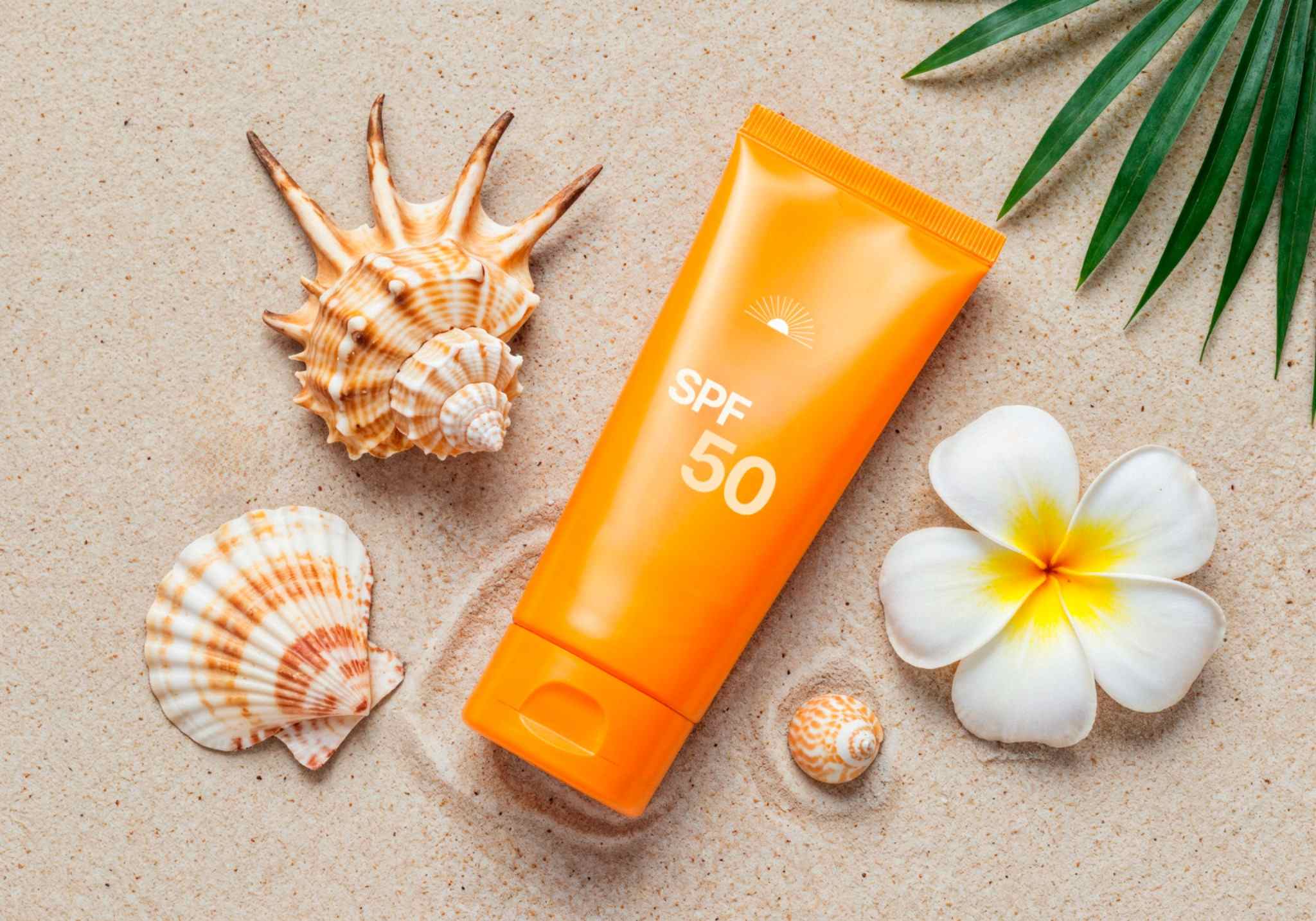
Choosing the right sunscreen can be tricky when you have oily and acne-prone skin. The wrong formula can leave your face greasy, clog pores, and even trigger breakouts. However, skipping sunscreen is never a good idea, as sun exposure can worsen acne marks, increase pigmentation, and damage the skin barrier. It can also slow down the healing of post-acne marks, making them darker and harder to fade. The key is to pick a formula that protects your skin without adding excess oil or irritation. With the right approach, finding the best sunscreen for oily and acne-prone skin becomes much easier and more effective for everyday use.
Choose a Lightweight and Oil-Free Texture
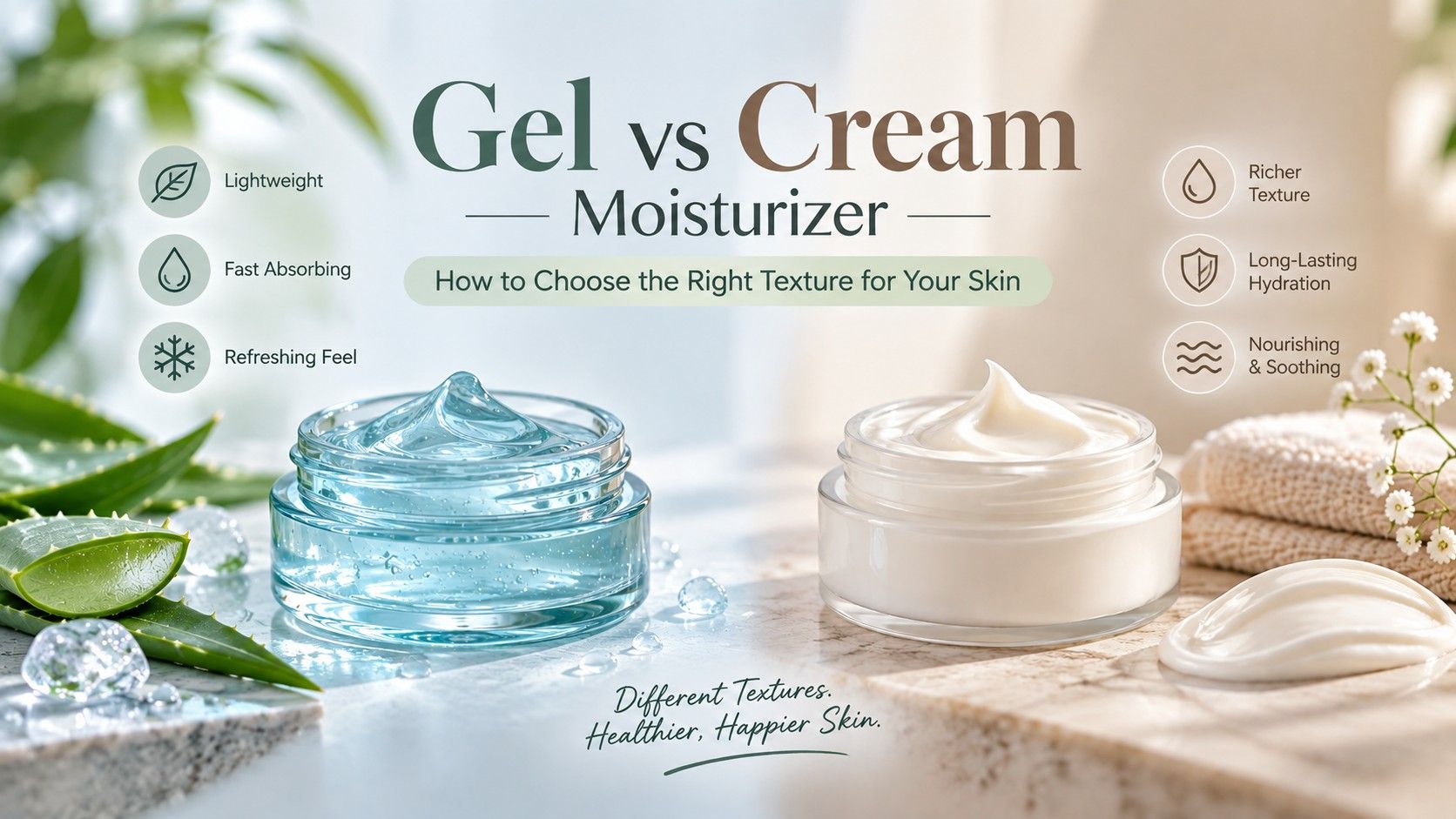
The texture of sunscreen plays a major role in how it feels on oily skin. Heavy cream-based formulas often sit on the skin and make the face look shiny. Instead, choose a gel sunscreen for oily skin or a lightweight fluid formula that absorbs quickly.
Water-based and matte-finish sunscreens are excellent choices because they help control excess oil while providing sun protection. These textures feel breathable and comfortable for daily use, especially in humid weather. They also sit better under makeup and reduce the chance of makeup sliding off during the day.
A lightweight SPF not only protects the skin but also helps reduce the greasy feel that many people with oily skin dislike.
Check for Non-Comedogenic and Acne-Safe Labels
One of the most important things to look for is a non-comedogenic sunscreen. This means the product is formulated not to clog pores, which is essential for acne-prone skin.
Oil-free labels are equally helpful because they reduce the chances of breakouts caused by heavy ingredients. If your skin is sensitive, choose fragrance-free formulas as well, since strong fragrance can irritate active acne and redness.
You can also look for labels like dermatologically tested, for acne-prone skin, or suitable for sensitive skin, as these often indicate safer formulations.
Selecting a sunscreen that does not clog pores can make daily SPF use much more comfortable and effective.
Look for Skin-Friendly Ingredients
Ingredients matter just as much as texture. For oily and acne-prone skin, sunscreens with niacinamide are a great option because they help control oil and support the skin barrier.
Zinc oxide is another excellent ingredient, especially for sensitive acne-prone skin, as it offers gentle sun protection. Hyaluronic acid can also be useful because it provides lightweight hydration without making the skin greasy.
You may also benefit from ingredients like green tea extracts or centella asiatica, which help soothe irritated skin and reduce redness. Always choose a broad spectrum sunscreen for oily skin with at least SPF 30 or SPF 50 to protect against both UVA and UVB rays.
Avoid Ingredients That Can Trigger Breakouts
Some sunscreen formulas contain heavy oils, greasy emollients, or waxy textures that can sit on the skin and lead to clogged pores. If you are acne-prone, avoid thick formulas that leave a sticky layer.
Excess fragrance, harsh alcohol content, and overly rich cream sunscreens may also worsen breakouts for some skin types. Products that leave a heavy white cast often feel thick and uncomfortable, which can discourage regular use.
It is also better to avoid sunscreens that feel suffocating on the skin, especially in hot and humid climates where oil production is naturally higher. Understanding sunscreen ingredients to avoid acne-prone skin can help prevent trial-and-error frustration.
Match Sunscreen with Your Daily Skincare Routine
Your sunscreen should work well with the rest of your skincare routine. Apply it after your moisturizer and before makeup. If your moisturizer already feels heavy, choose a gel SPF to balance the routine.
For oily skin, blotting excess oil before reapplying sunscreen during the day helps the second layer sit better. Sunscreen sticks, powders, or light gel formulas are useful for touch-ups without making the face greasy.
If you use acne treatments like salicylic acid, benzoyl peroxide, or retinol, sunscreen becomes even more important because these ingredients can increase sun sensitivity. A smart daily sunscreen routine for acne-prone skin keeps your skin protected and comfortable all day.
Conclusion: The Right SPF for Clearer, Protected Skin
Choosing the right sunscreen for oily and acne-prone skin comes down to texture, ingredients, and finish. Lightweight gel formulas, non-comedogenic labels, and oil-balancing ingredients make daily use much easier.
By focusing on comfort and acne-safe formulas, you can protect your skin from sun damage while keeping breakouts under control. The right oil-free sunscreen for acne-prone skin helps maintain clearer, healthier skin every day while preventing future pigmentation and skin damage.