Augmented Reality News Journal: Trends, Use Cases, and Industry Outlook
-

- February 23rd, 2026
- 1,689 views

FREE SEO Topical Map Generator: Find Your Next Content Ideas
The term augmented reality appears across headlines and product announcements as a technology that overlays digital content onto the physical world. This article surveys the landscape of augmented reality, summarizing current trends, typical use cases, core technologies, standards activity, and practical considerations for adoption.
- Augmented reality combines computer-generated content with a live view of the physical environment using cameras, sensors, and spatial computing.
- Major use cases include consumer experiences, industrial maintenance, education, retail visualization, and navigation.
- Core technologies include computer vision, SLAM (simultaneous localization and mapping), spatial audio, and edge/cloud processing.
- Standards work and privacy regulation influence deployment; organizations such as standards bodies and data protection authorities provide guidance.
Augmented Reality: Current Trends
Industry interest in augmented reality continues to expand as advances in sensors, mobile processing power, and machine learning enable more realistic and responsive overlays. Common trends include improved spatial understanding, integration with cloud services for scene persistence, and more natural interactions through hand tracking and voice. Wider availability of low-latency networks and edge computing also supports richer AR experiences without overburdening local devices.
Consumer and enterprise applications
Consumer applications focus on entertainment, social AR filters, and shopping previews that let users visualize products in their homes. Enterprise deployments emphasize task guidance, remote assistance, and training where overlays provide step-by-step instructions or highlight hidden components. Sectors such as manufacturing, logistics, healthcare (non-diagnostic assistance), and field service commonly report productivity gains from AR-assisted workflows.
Hardware and form factors
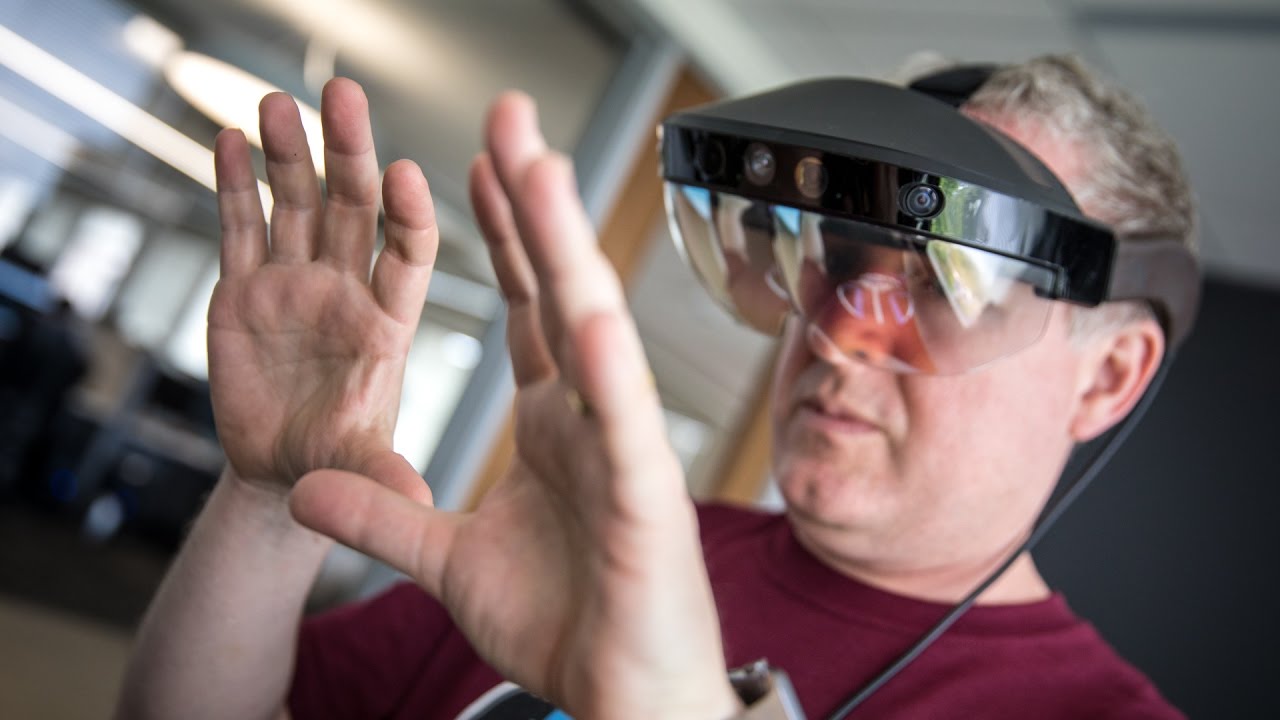
Hardware ranges from smartphones and tablets to head-mounted displays and glasses optimized for hands-free use. Each form factor involves trade-offs between field of view, battery life, weight, and computational capability. Accessory ecosystems and accessory-agnostic deployment models help organizations choose solutions that balance cost and functionality.
How augmented reality works: core technologies
Computer vision and spatial mapping
Computer vision algorithms analyze camera input to identify surfaces, objects, and lighting conditions. Spatial mapping and SLAM enable an AR system to track device position relative to the environment so virtual content appears anchored to physical locations. Techniques such as depth sensing and plane detection improve realism by allowing virtual objects to occlude or reflect light consistent with the scene.
Rendering, interaction, and persistence
Rendering pipelines combine virtual geometry, shading models, and spatial audio to produce immersive overlays. Interaction models include touch, gestures, gaze, and voice. Content persistence and multi-user experiences rely on shared coordinate systems and back-end services that store scene state so different users can interact with the same virtual objects over time.
Standards, regulation, and trust
Standards and interoperability
Standards and open APIs aim to reduce fragmentation and enable content portability across devices and platforms. Standards groups and technical committees are active in areas such as WebXR, spatial metadata formats, and sensor interoperability; these efforts help content creators reach broader audiences and support consistent developer practices.
Privacy, safety, and accessibility
Because AR systems capture camera and sensor data, privacy considerations are central. Data protection authorities and consumer regulators publish guidance on image capture, storage, and user consent. Accessibility best practices recommend alternative modes of interaction and captioning for AR experiences to ensure inclusivity.
For standards information and technical specifications, see the W3C, which maintains workstreams relevant to immersive web technologies: W3C.
Adoption, challenges, and future outlook
Barriers to broader uptake
Common barriers include device cost, battery constraints, content creation complexity, and concerns about data protection. Performance and comfort for prolonged use remain design priorities, and legal frameworks continue to evolve around liability and acceptable use in public spaces.
Indicators of future growth
Indicators that support continued growth include investments in spatial computing research, improvements in sensor miniaturization, and expansion of developer toolkits that lower the barrier to entry for content creators. Research institutions and academic conferences publish peer-reviewed work on perception, interaction, and evaluation methods that inform industry practice.
Practical advice for organizations
Organizations considering AR pilots should define measurable objectives (for example, reduced task time or fewer errors), select representative pilot sites, and plan for data governance and accessibility from the outset. Engaging with standards groups and reviewing regulatory guidance helps align deployments with evolving expectations.
FAQ
What is augmented reality and how does it work?
Augmented reality overlays digital content on a live view of the physical world using cameras, sensors, and rendering software. Systems use computer vision and spatial tracking to anchor virtual objects to real locations, and interactions can be delivered through touch, gesture, or voice.
Is augmented reality safe to use in public spaces?
Safety depends on context and design. Developers and deployers should consider situational awareness, avoid distracting overlays during critical tasks, clearly indicate when recording occurs, and follow local laws and guidelines governing public use and privacy.
What industries are using augmented reality today?
Industries with notable AR deployments include manufacturing, logistics, retail, education, real estate visualization, and field service operations, where AR enhances situational awareness, training, and remote collaboration.
How can content creators prepare for AR projects?
Content creators can learn spatial design principles, optimize 3D assets for real-time rendering, test across a range of devices, and follow accessibility and privacy best practices. Starting with small, measurable pilots helps refine approaches before scaling.
Where to find technical standards and guidance on augmented reality?
Technical standards and guidance are maintained by standards bodies, academic institutions, and government regulators. Relevant organizations include international standards committees and national data protection authorities that issue recommendations for sensor data handling and consent. Consulting these sources helps ensure compliant and interoperable implementations.