QR Code Access Control Readers: The Future of Contactless Security
-

- March 25th, 2026
- 7,813 views

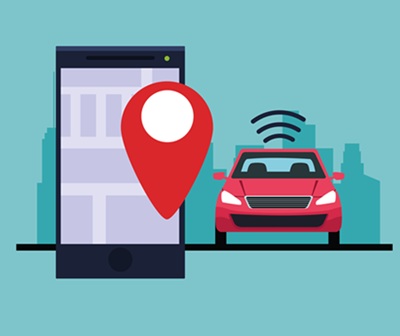
QR code access control readers are changing how buildings manage entry in a very practical way. Businesses want security that feels smooth rather than complicated, and people expect access without digging through pockets for plastic cards. QR-based systems respond to that expectation by turning smartphones into secure digital credentials. The technology combines encrypted validation, time-based permissions, and real-time monitoring to create smarter entry control. Organizations gain flexibility, stronger oversight, and easier scalability across multiple locations. As more buildings move toward software-driven infrastructure, QR readers are becoming a logical solution for offices, residential complexes, warehouses, and shared workspaces that want controlled, contactless access.
What Is a QR Code Access Control Reader and Why Does It Matter?
A QR code access control reader is a device that scans a unique QR code and verifies whether the person presenting it is allowed to enter a secured space. Instead of depending on physical cards or keys, the system uses digital credentials that can be delivered instantly to a user’s phone or email. When the code is scanned, the reader communicates with a secure server that validates the credential, checks permissions, and confirms whether access should be granted at that specific time and location. The visible QR pattern is only a gateway. The real intelligence sits within the backend system that controls identity and authorization. This shift matters because it moves access control away from physical token management and toward centralized, software-based control.
Why Businesses Are Moving Toward QR-Based Entry Systems
Businesses are choosing QR-based entry systems for practical reasons that directly impact daily operations:
Reduced administrative workloadTraditional card systems require printing, issuing, tracking, replacing, and collecting physical badges. QR credentials remove most of that manual handling because everything is managed digitally through software.
Instant credential generationAdministrators can create and send access passes within seconds. There is no waiting for card production or physical handover, which speeds up onboarding and visitor management.
Time-based and location-based controlAccess can be restricted to specific hours, dates, or doors. A contractor may receive entry only during scheduled working hours, while a visitor can receive a pass valid for one day.
Immediate access revocationIf an employee leaves or a credential is compromised, administrators can disable access instantly without retrieving a physical card.
Scalability across multiple locationsGrowing businesses and multi-site operations benefit from centralized dashboards that allow access permissions to be managed remotely and consistently across properties.
How QR Code Access Control Works Behind the Scenes
When a QR credential is created, the system generates an encrypted digital token that connects to a user profile stored in the access control platform. The QR code itself does not store sensitive data in plain form. Instead, it contains a reference that the reader sends to the server for validation. The server then checks whether the credential is active, whether it has expired, and whether it is authorized for that particular door. Many advanced systems use dynamic QR codes that refresh automatically after short intervals, which prevents misuse through screenshots or copied images. Security strength depends on encryption standards, token expiration logic, and server-side verification rather than on the visual design of the code.
Security Risks and How Modern Systems Address Them
Some discussions focus heavily on convenience and overlook the security conversation, which is equally important. Static QR codes can be copied or shared if not properly configured. Modern systems solve this issue by using time-sensitive credentials and linking access to verified identities or registered devices. Every scan attempt is logged, which creates a clear audit trail that security teams can review at any time. Administrators can also enforce rules based on time schedules, user roles, and restricted zones within a building. Technology alone does not guarantee safety, but when encryption, monitoring, and access policies work together, QR systems provide strong and manageable security.
QR Readers Compared to Traditional RFID Cards
RFID cards have been effective for years, but they depend heavily on physical management. Cards can be lost, misplaced, or duplicated, and replacing them requires both cost and effort. QR-based systems shift the focus from card management to identity management. If a credential becomes compromised, it can be disabled instantly without retrieving anything from the user. Multi-location organizations benefit because permissions can be adjusted remotely across all sites from a central dashboard. While RFID still has its place, QR readers offer faster updates and greater flexibility in environments where access needs change frequently.
Integration with Visitor Management and Smart Building Systems
QR readers integrate smoothly with visitor management platforms, which makes them especially useful in commercial settings. When a guest registers in advance, the system can automatically generate and send a QR pass before arrival. Upon scanning at entry, the system records time stamps and logs the visit in real time. This process reduces manual front-desk tasks and improves documentation accuracy. Integration can extend into broader smart building systems where entry scans interact with occupancy data or security monitoring tools. Facility managers gain insights into traffic patterns and peak usage hours, which helps improve operational planning. In this way, QR access becomes part of a larger digital ecosystem rather than just a door solution.
Cost Efficiency Beyond Hardware Savings
The financial advantage of QR access control extends well beyond eliminating plastic cards. Organizations save administrative time because credentials are created, modified, and revoked digitally. There is no need to maintain badge inventory or manage physical replacements. Onboarding becomes smoother because new employees can receive credentials before their first day. Software updates can improve functionality without replacing hardware infrastructure. Over time, operational simplicity reduces ongoing costs and increases efficiency more than initial hardware savings alone.
Are QR Code Access Control Readers the Future of Contactless Security?
QR code access control readers represent a meaningful shift toward identity-based digital authorization. The technology combines convenience with centralized oversight and encrypted validation, which makes it suitable for modern commercial environments. It does not eliminate the need for other authentication methods, but it strengthens access strategies by adding flexibility and real-time control. As buildings continue adopting software-driven systems, QR readers will remain a practical and scalable component of integrated security infrastructure.
Frequently Asked Questions
What makes QR code access control secure?QR systems work on encrypted tokens, time-based expiration, and backend validation rather than on the visible code itself. Each scan is verified against a secure database before access is granted.
Can QR access control work without internet connectivity?Some systems depend on cloud verification, while others allow limited offline validation through synchronized local databases. The setup depends on the building’s infrastructure and security design.
Is QR access control suitable for large commercial buildings?Yes, QR systems scale effectively across multiple locations because administrators manage permissions centrally and can adjust access remotely when needed.
What happens if someone shares their QR code?Modern systems prevent misuse by using dynamic codes that expire quickly and by linking credentials to verified user identities. Expired or unauthorized scans are automatically rejected.
How long does implementation usually take?Implementation timelines vary depending on building size and integration complexity. Smaller facilities can deploy quickly, while larger multi-site environments may require phased installation and configuration.
Conclusion
QR code access control readers are redefining how organizations manage secure entry. They reduce the reliance on physical credentials and place access control within intelligent software systems. Businesses gain flexibility, visibility, and faster administrative response while maintaining structured oversight. When encryption, time-based permissions, and clear policies work together, QR systems provide both convenience and control. The future of contactless security lies in managing identity intelligently, and QR-based access control stands as a strong step in that direction.For more information about QR code access control systems and tailored security solutions, you can explore the expertise and resources available at Sensor Access Technologies Ltd., a provider of advanced access control systems.