Australia’s $1 Trillion Debt Milestone What It Means for the Economy and Households
-

- Published Updated
- 3,565 views
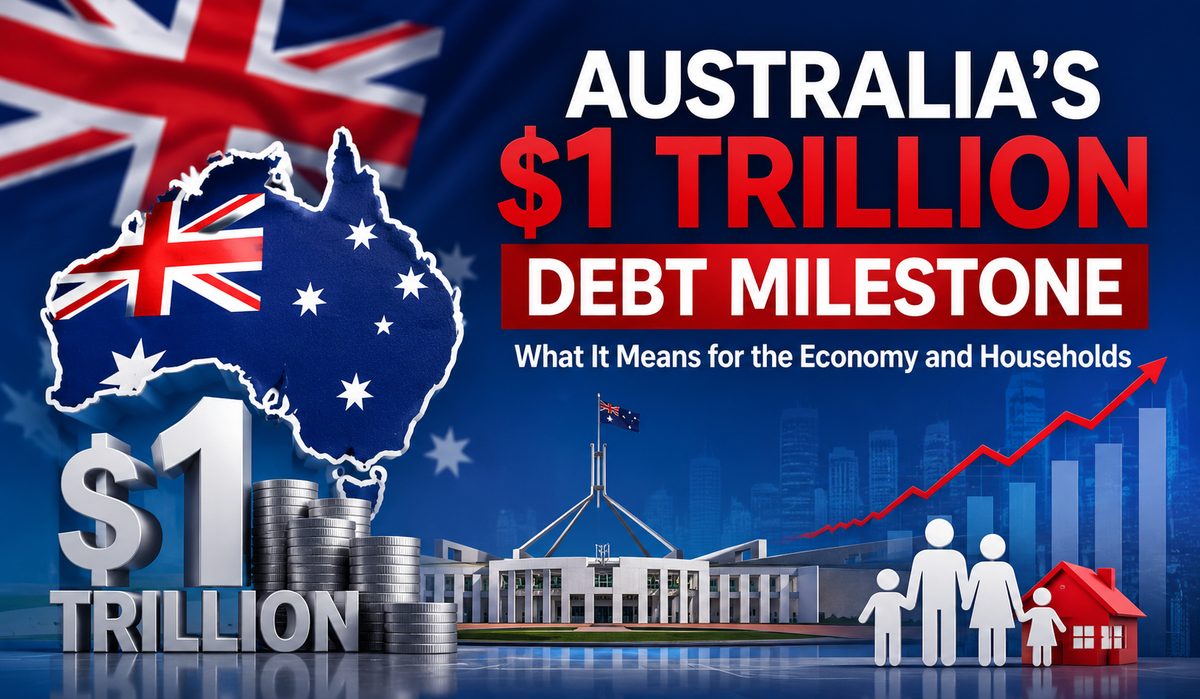
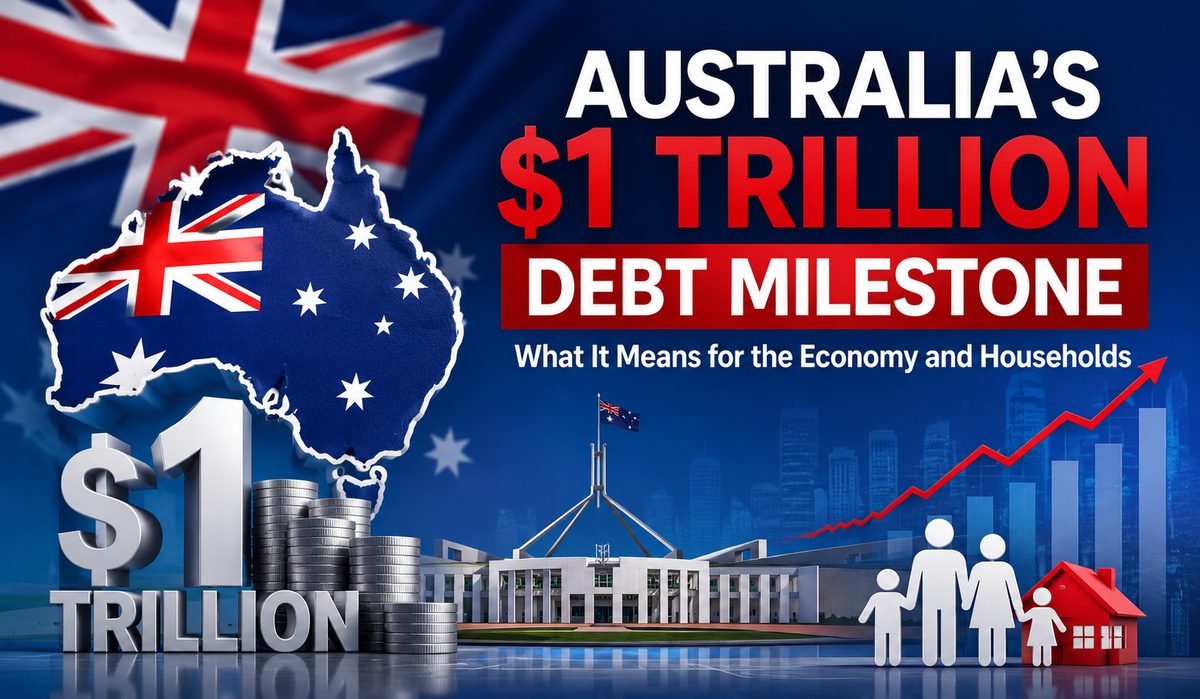
is a headline you've probably seen splashed across the news lately, and honestly, it's the kind of number that grabs your attention even if you're not usually one to follow federal budget updates. A trillion dollars is hard to even picture — it's twelve zeros, an amount that sounds more like something out of a US budget debate than an Australian one. Gross Commonwealth government debt is poised to break through the $1 trillion mark sometime during 2026, as a series of small budget deficits add to what was already around $960 billion in outstanding debt. Revelations at Senate estimates confirmed gross debt would hit that psychological $1 trillion barrier by early April, driven partly by a $54 billion blowout in the medium-term outlook. So yes, the number is real, and it's arriving faster than a lot of people expected. But before you panic and start picturing Australia heading toward a Greece-style debt crisis, it's worth pausing to actually unpack what this figure means — for the broader economy, and for what lands in your own household budget. Independent AustraliaThe Canberra Times
Is It Actually as Bad as It Sounds?
Here's where context genuinely matters. Compared with similar countries, Australia's level of net government debt is extremely low, and based on current policy settings and the May 2026 budget, net debt is expected to remain around 20% of GDP. For comparison, net government debt in Germany is projected to climb from 50% to 60% of GDP by 2029, the UK is expected to sit just under 100% of GDP, and the US situation is considered far more problematic, with debt rising from around 100% toward 120% of GDP. Australia's annual economic output is also poised to hit $3 trillion in the next year, which puts the trillion-dollar debt figure into a very different perspective relative to the size of the economy. Forbes Australia + 2
Australia's $1 Trillion Debt Milestone: What It Means for the Economy and Households really comes down to two separate conversations — the scary-sounding headline number, and the far less dramatic reality of debt-to-GDP ratios that economists actually use to judge sustainability.
What This Means for Everyday Households
Snapshot: Debt figures at a glance
| Measure | Latest Figure |
|---|---|
| Gross Commonwealth debt | Approaching $1 trillion in 2026 |
| Net debt (% of GDP) | Around 20%, relatively low by global standards |
| Daily interest cost | Around $67 million per day in interest payments Senatorpaterson |
| Projected gross debt by 2028-29 | Around $1.2 trillion Senatorpaterson |
Where it does start to bite for ordinary households is the interest bill. Interest payments reached $24.4 billion over the last financial year alone, working out to roughly $67 million a day, and this was the fastest-growing expense in the most recent Budget, set to swell beyond $38 billion by 2028-29. That's money that isn't going toward hospitals, schools, or cost-of-living relief — it's simply servicing what's already been borrowed. For the average Australian, this milestone represents a long-term commitment to debt servicing that could shape public spending decisions for a generation. SenatorpatersonDailyWA
The Bottom Line
Australia's $1 Trillion Debt Milestone: What It Means for the Economy and Households isn't a simple good-news-or-bad-news story. The headline number is dramatic, but Australia's debt-to-GDP position remains comparatively healthy next to peer economies, and that context matters more than the raw figure ever will. The real pressure point isn't the trillion-dollar mark itself — it's the growing chunk of the budget swallowed by interest payments, money that could otherwise go toward schools, hospitals, or genuine cost-of-living relief. As that servicing cost climbs year on year, future governments face a real balancing act: bringing the budget back toward balance without squeezing the services and support households actually rely on. For most Australians, the practical impact won't show up as a single dramatic event, but as a slow, ongoing conversation about spending priorities, tax settings, and how much debt the country is comfortable carrying into the next decade. Keeping an eye on that conversation, rather than just the headline number, is probably the smarter way to follow this story going forward.
Australia’s $1 Trillion Debt Milestone What It Means for the Economy and HouseholdsAustralia’s Australia's $1 Trillion Debt Milestone: What It Means for the Economy and Households isn't a simple good-news-or-bad-news story.