Baby Shower Flower Ideas: Colors, Arrangements, and Theme-Matching Tips
-

- February 23rd, 2026
- 1,483 views

FREE SEO Topical Map Generator: Find Your Next Content Ideas
Including baby shower flowers in décor adds natural texture, color, and seasonal character to a celebration. Choosing the right blooms affects mood, scent, and safety, so planning around color palettes, arrangement styles, and logistics helps create a cohesive event aesthetic without last-minute stress.
- Baby shower flowers set tone through color, scent, and form.
- Select durable centerpieces and consider allergies and newborn safety.
- Use seasonal and local blooms to control cost and environmental impact.
- Plan delivery, setup, and simple care instructions for long-lasting displays.
Choosing baby shower flowers: colors, types, and themes
Start by identifying a color palette and overall theme for the event. Popular palettes include soft pastels (blush, mint, powder blue), gender-neutral tones (cream, sage, mustard), or bold accent colors (coral, navy). Matching baby shower flowers to a theme—such as botanical, rustic, modern minimalist, or vintage—guides the choice of blooms and greenery.
Common bloom choices and why they work
Consider form, longevity, and scent when selecting blooms. Examples include:
- Peonies and ranunculus: lush, romantic petals for focal bouquets; typically seasonal in spring/early summer.
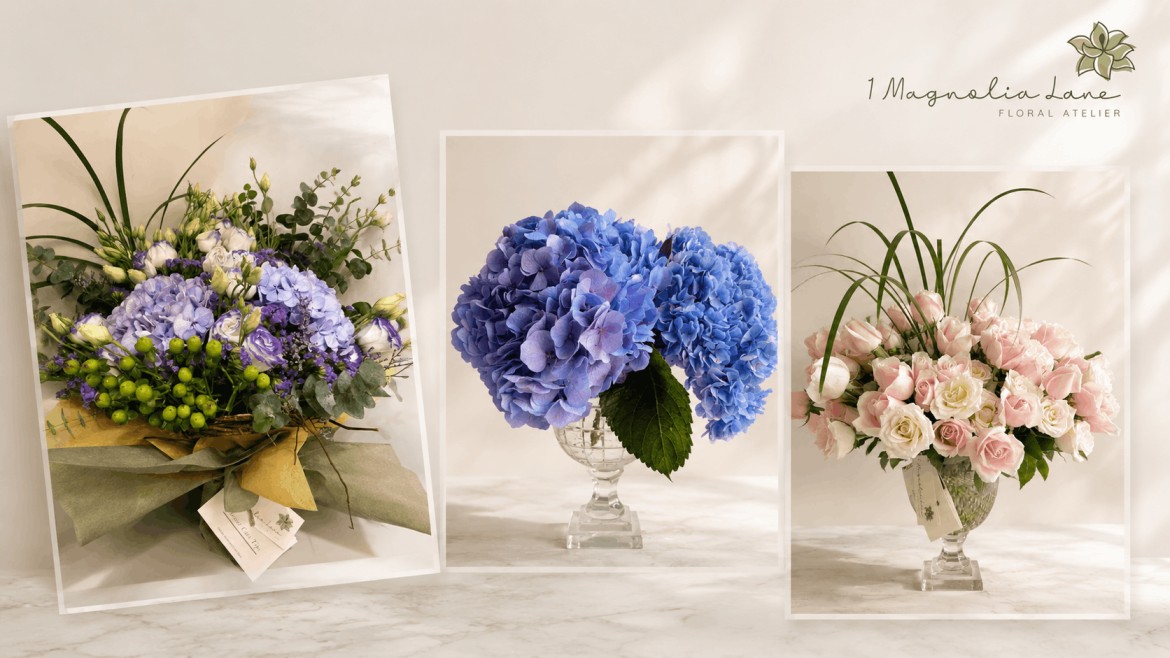
- Hydrangeas: voluminous heads that fill space and pair well with filler flowers.
- Roses and spray roses: classic shapes that come in many colors and price points.
- Lisianthus and alstroemeria: cost-effective alternatives with delicate petals.
- Eucalyptus, greenery, and seeded fillers: add texture and extend arrangements at lower cost.
Seasonality and sourcing
Choosing seasonal, locally grown flowers often reduces cost and carbon footprint while increasing freshness. Local farmers' markets, community florists, and wholesale growers can indicate what is in season. For larger events, discuss availability and contingency plans with a florist in advance.
Design ideas and arrangement styles
Centerpieces and table arrangements
Centerpiece styles range from compact bud vases to low, sprawling arrangements that encourage conversation. For long guest tables, consider a series of small bouquets or a continuous runner of greenery with floral clusters. Favor sturdy stems and low vases for active gatherings to avoid obstructing sightlines.
Bouquets, corsages, and keepsakes
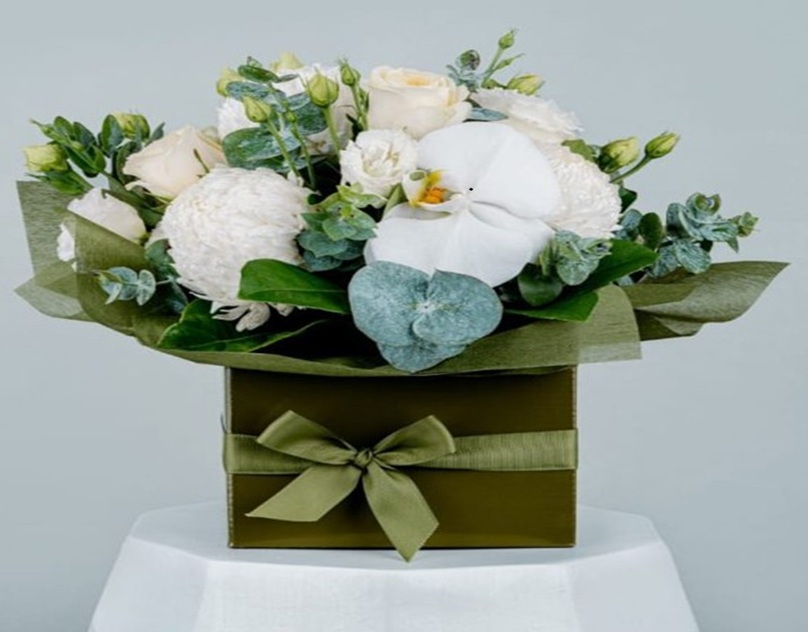
Small handheld bouquets or posies are suitable for the guest of honor and can double as keepsakes. Consider wrapped stems or mason jars for a casual look, or fabric ribbons and printed tags for a coordinated presentation. Dried flower bouquets are an option for durable keepsakes that require no water.
Backgrounds and installations
Floral arches, wall panels, and photo backdrops create strong focal points for photos. Lightweight installations using artificial stems mixed with fresh greenery can reduce costs while maintaining visual impact. Ensure secure mounting and plan assembly time so the display is finished close to the event start.
Practical considerations: budget, care, and safety
Budgeting and quantities
Establish a clear budget before choosing flowers. A modest budget can be maximized by using more greenery, fewer focal blooms, and repurposing altar or ceremony flowers as reception centerpieces. Ask a florist for a breakdown of costs by stem and labor to prioritize spending.
Care, delivery, and setup
Request same-day delivery or final setup on the event day to ensure freshness. Provide care instructions for hosts: keep flowers in cool, shaded areas, top up water as needed, and remove wilted stems. Use clean vases and, for prolonged displays, replace water daily to reduce bacterial growth.
Allergies, scents, and newborn safety
Some people are sensitive to strong floral scents or pollen. Choose low-fragrance flowers and avoid loose pollen-bearing blooms when guests include people with allergies or newborns. For official guidance on infant safety and household environments, consult trusted sources such as the American Academy of Pediatrics (American Academy of Pediatrics).
Sustainable and alternative options
Locally grown and seasonal choices
Local growers reduce transport emissions and often provide flowers at lower cost during peak season. Farmers' markets and community-supported agriculture (CSA) programs sometimes offer bouquet options for events.
Dried flowers, potted plants, and reusable containers
Dried or preserved flowers offer long-term keepsakes and reduce waste. Potted plants (small succulents, herbs) can double as favors, while renting high-quality vases and urns reduces single-use purchases.
Working with a florist or DIY planning
When to hire a professional
Hiring a professional florist can streamline sourcing, color-matching, and same-day setup, especially for large gatherings or intricate installations. Provide clear inspiration images, a guest count, and venue photos to ensure accurate estimates.
DIY tips for beginners
For DIY arrangements, prepare in advance: condition stems by trimming and hydrating them, use floral tape or chicken wire to stabilize larger arrangements, and create a timeline for assembly and transport. Trial runs the day before the event help identify potential issues.
Cleanup and post-event handling
Plan disposal or donation of flowers. Local hospitals, nursing homes, or community centers sometimes accept fresh donations; alternatively, compost unavoidable floral waste when possible.
Conclusion
Careful selection of baby shower flowers balances aesthetic goals with practical concerns like seasonality, budget, and guest comfort. Whether opting for simple bud vases, a dramatic floral arch, or potted favor plants, intentional planning produces a memorable, natural setting for the celebration.
Frequently asked questions
What are the best baby shower flowers for centerpieces?
Best choices depend on theme and budget. Hydrangeas, roses, lisianthus, and greenery are versatile and durable. Use seasonal blooms to lower costs and pair focal flowers with textured greenery for fuller arrangements.
How far in advance should flowers be ordered?
Place orders two to four weeks ahead for common events; confirm availability and delivery details one week before. For rare or seasonal varieties, order earlier to secure supply.
Are dried flowers a good option for keepsakes?
Dried flowers make durable keepsakes and are low maintenance. They suit rustic and vintage themes and can be prepared in advance to reduce day-of setup time.
Related Posts