Badrinath Weather: Plan Your Trip Around It
-

- April 07th, 2026
- 7,363 views
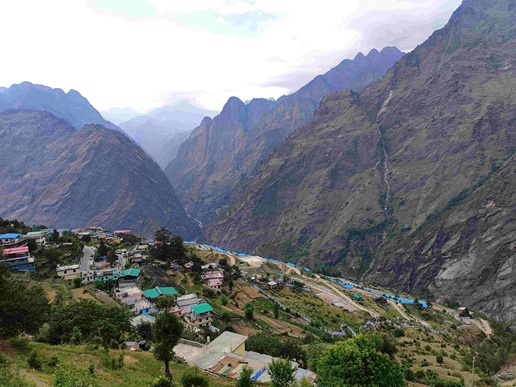
Badrinath Temple When you are putting together a trip to one of the highest and most sacred pilgrimage destinations in India, understanding the badrinath weather is not optional, it is genuinely essential planning information. Badrinath sits at over 10,000 feet in the Garhwal Himalayas of Uttarakhand and the weather here behaves in ways that most American travelers are not immediately prepared for even if they have visited other mountainous destinations. The badrinath weather affects what you pack, when you can safely travel the mountain roads, how the landscape looks, and ultimately how comfortable and rewarding your entire visit turns out to be. This guide walks you through every season and every practical implication of the weather for your planning.
Why Badrinath Weather Is Unlike Most Indian Destinations
The badrinath weather is fundamentally different from the weather that most people associate with India. While much of the country experiences hot summers and heavy monsoon, Badrinath at over 10,000 feet operates on a completely different climatic pattern. Summers are cool rather than hot, with daytime temperatures rarely exceeding 18 degrees Celsius even in the warmest months. The monsoon's impact is reduced significantly by the mountain ranges that act as natural barriers, so Badrinath receives far less rainfall than lower-elevation areas in the same region during July and August. Winter is not mild but extreme, with heavy snowfall closing the mountain roads completely from November through April, which is why the temple operates on a strict seasonal schedule. The overall character of the badrinath weather throughout its accessible months is cool, clear, and physically bracing with significantly stronger UV radiation than at sea level, rapid temperature changes between day and night, and the ever-present possibility of sudden weather shifts.
What Badrinath Weather Looks Like During Peak Pilgrimage Season
The peak pilgrimage months of May and June bring the most active atmosphere to the town and the badrinath weather during this period, while not warm by most standards, is the most manageable of the season for visitors arriving from lower elevations. Daytime temperatures typically range from 7 to 18 degrees Celsius or 45 to 64 degrees Fahrenheit. The surrounding mountain peaks are often still heavily snow-covered in May, creating a dramatic visual backdrop. June brings slightly warmer days with snow retreating from lower elevations. Nights in both months drop to near or below freezing regardless of daytime warmth. UV radiation at this altitude is significantly stronger than at sea level and sunscreen with a high SPF is essential throughout the day even when air temperatures feel cool. Early mornings in peak season typically offer the clearest skies and most dramatic mountain views before clouds develop through the afternoon.
How Badrinath Weather Changes From May Through November
The badrinath weather through the full open season shows a clear and predictable progression. May and June bring clear mornings, cool days, cold nights, and snow-covered peak backdrops. July and August bring the monsoon effect, increased cloud cover, occasional rainfall in the town itself, and most significantly the higher landslide risk on the mountain roads below. September marks a clear turning point when the monsoon withdraws and skies open to produce some of the clearest and most beautiful conditions of the season. October continues this clarity with cooler daytime temperatures in the single digits Celsius and increasingly cold nights approaching and then falling below freezing. November brings the first serious winter snowfalls that eventually close the roads and mark the end of the pilgrimage season. Understanding this progression allows you to choose the window that best matches your priorities whether that is dramatic snowy scenery, stable weather, or fewer crowds.
Monsoon Impact on Badrinath Weather and Road Conditions
The monsoon's effect on badrinath weather is more about the surrounding roads and approach routes than the town itself. Badrinath sits in a relatively protected position compared to the valleys below and receives significantly less monsoon rainfall than places like Rishikesh or Haridwar. However, the heavy rains that fall in the lower mountain zones during July and August create a genuine risk of landslides on the narrow mountain roads that are the only approach routes to Badrinath. These landslides can close roads temporarily, sometimes for a day or two and occasionally longer after severe weather events. The Uttarakhand State Disaster Management Authority and Border Roads Organization work actively to clear and maintain these routes but disruptions do occur. Building flexibility into any July and August itinerary, including buffer days, is the most practical way to manage the monsoon impact on badrinath weather-related travel.
What Badrinath Weather Means for Your Packing Checklist
The badrinath weather directly dictates your packing needs in ways that may surprise visitors who have not traveled at high altitude before. Thermal base layers are non-negotiable since temperatures at night are near or below freezing in every month of the open season. A good fleece mid-layer and a windproof waterproof outer jacket together cover most weather scenarios. Warm gloves and a beanie or wool hat are worth carrying even in June since wind chill at altitude can be significant. High-SPF sunscreen is essential since UV radiation is much stronger at altitude than at sea level and the effect is amplified by reflection from snow and rocky terrain. UV-blocking sunglasses protect your eyes from the intense mountain light. Comfortable waterproof walking shoes with good grip manage wet or uneven stone surfaces around the temple and on any trails. And a portable charger is useful since electricity in the town can be intermittent.
How Badrinath Weather Affects the Best Time to Visit
The badrinath weather is the single most important factor in determining the best time to visit for most travelers. September is widely regarded as the sweet spot for combining good weather, clear skies, stable road conditions, and manageable crowd levels. The month immediately follows the monsoon withdrawal and offers the most reliably clear atmospheric conditions for mountain views. May works well for those who want the dramatic snow-covered peak backdrop and the energy of the newly opened pilgrimage season but requires more crowd management. October is excellent for travelers who do not mind cooler temperatures and prefer the quietest experience of the season. July and August are manageable but require flexibility for potential road disruptions. And November, while bringing the ceremonial closing of the temple, sees temperatures dropping to genuinely wintry levels that require serious cold-weather preparation.
Safety Tips Based on Changing Badrinath Weather Conditions
Weather-related safety in badrinath requires awareness and preparation rather than avoidance. Never set out on a day hike if the sky looks threatening since Himalayan weather can change quickly and temperature drops are rapid. Carry warm layers in your daypack at all times even if the morning is sunny and mild. Check road conditions before traveling between Joshimath and Badrinath, particularly during July and August, since landslides can occur with little advance notice. Never drive mountain roads after dark since the combination of narrow roads, sharp turns, and no lighting creates genuine danger. If cloud cover or fog reduces visibility significantly, wait for conditions to improve rather than continuing. Keep emergency contacts including local SDRF numbers and your accommodation contact saved on your phone at all times. And comprehensive travel insurance with emergency medical evacuation coverage is not optional for a destination this remote. https://www.travelosei.com/india/spiritual/north/badrinath
FAQs
1. What is the coldest month for badrinath weather during the open season? October and early November are the coldest months of the accessible season, with daytime temperatures often in the 2 to 8 degree Celsius range and nights well below freezing. November brings the first significant snowfall that eventually closes the roads. Within the main pilgrimage window, nights are cold in every month including May and June.
2. Does the badrinath weather cause the temple to close temporarily within the season? The temple itself does not close due to day-to-day weather within the open season. The seasonal opening and closing are determined by the Hindu calendar. However, extreme weather events can affect visitors' ability to reach the temple if roads are temporarily closed due to landslides or heavy snowfall in the transition months.
3. How does badrinath weather compare to Colorado mountain destinations? Badrinath at approximately 10,170 feet is comparable in altitude to some Colorado resort towns. Key differences include the dramatic day to night temperature swings, the proximity to the monsoon weather system affecting approach roads, and the complete winter inaccessibility that is more severe than most American mountain destinations experience.
4. Is the badrinath weather suitable for children? Children can visit Badrinath during the open season with proper preparation. The key concerns are warm clothing for cold nights, high-SPF sun protection for daytime UV exposure, and altitude awareness since children can be more sensitive to altitude than adults. Extra acclimatization time and conservative pacing are recommended for families with younger children.
5. Can I predict badrinath weather accurately before my trip? General seasonal patterns are reliable for planning the broad timing of your visit. Day-to-day mountain weather forecasting is less precise than at lower elevations. Weather apps that specialize in Himalayan conditions such as Mountain Forecast or Windy provide the most useful short-term predictions. Always treat mountain weather forecasts as guidance rather than certainty.