What Families Should Know About Recovery in Banur
-

- Published Updated
- 5,787 views
Introduction
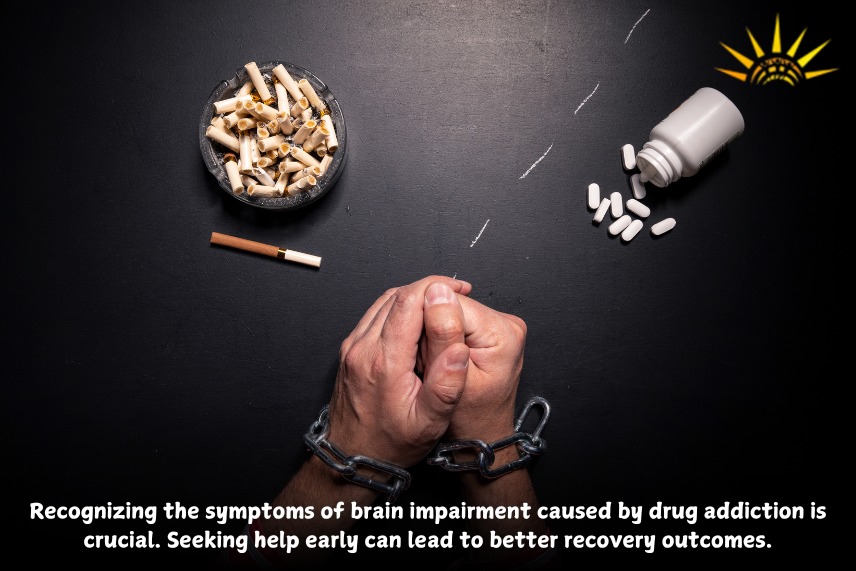
Watching someone you love lose themselves to addiction is exhausting in a way that's hard to put into words. You feel helpless, angry, heartbroken — sometimes all at once. And when you finally reach the point where you're searching for a nasha mukti kendra in Banur, you're probably doing it with shaking hands and a lot of unanswered questions.
That's completely understandable.
The good news is that help is available — real, structured, professional help — right here in the Banur region of Punjab. But not every centre operates the same way, and not every programme suits every person. So before you make a call or walk through a door, it's worth knowing what to look for, what to ask, and what recovery genuinely involves.
This guide will walk you through all of it — honestly, and without the usual sales pitch.
What Is a Nasha Mukti Kendra and Who Is It For?
A nasha mukti kendra is a structured rehabilitation centre designed to help individuals overcome dependence on alcohol, drugs, or other intoxicants. In Hindi, "nasha mukti" literally translates to "freedom from addiction" — and that goal sits at the heart of every legitimate programme.
These centres offer a combination of medical detoxification, psychological counselling, group therapy, and long-term aftercare planning. They're not just places where people "dry out." The better ones address the underlying reasons a person turned to substances in the first place.
Who typically needs this kind of support?
- Individuals who have tried to quit on their own multiple times without sustained success
- People whose substance use has begun affecting their work, relationships, or physical health
- Families dealing with a loved one who is in denial or resistant to help
- Anyone experiencing withdrawal symptoms when they try to stop
In Banur and the surrounding Punjab region, demand for quality rehabilitation services has grown noticeably over the past decade.
What Does a Recovery Programme at a Nasha Mukti Kendra in Banur Actually Look Like?
This is where most families feel confused — because the brochures are vague and the process sounds clinical and frightening. Let me explain what a well-run programme typically involves, step by step.
Phase 1 — Assessment and Medical Detox
The first thing a proper centre does is assess the individual — their substance history, physical health, mental health background, and family situation. This isn't just paperwork. It shapes the entire treatment plan.
Detoxification follows. This is the physical phase, where the body clears itself of substances. Depending on the level of dependence, this can take anywhere from a few days to two weeks. Medical supervision during this stage is non-negotiable. Attempting detox at home without oversight can be genuinely dangerous for long-term users.
Phase 2 — Counselling and Behavioural Therapy
Once the body is stabilised, the deeper work begins. Individual counselling sessions help the person understand their triggers — the emotional or situational patterns that led them toward substance use. Group therapy, meanwhile, builds something equally important: the realisation that they're not alone.
Centres in Banur that follow evidence-based approaches typically use Cognitive Behavioural Therapy (CBT), Motivational Interviewing (MI), and, in some cases, family therapy sessions. These aren't optional extras. They're what actually makes recovery stick.
For families in Banur looking for a centre that combines clinical structure with compassionate, people-first care, Paryaas Foundation is one resource worth exploring — their approach includes both residential treatment and structured aftercare support.
Phase 3 — Aftercare and Relapse Prevention
Here's the thing most people don't talk about: leaving the centre is actually one of the most vulnerable points in the entire process. The real world brings back old triggers, old friends, old patterns.
A responsible nasha mukti kendra doesn't just discharge someone and wish them luck. They build an aftercare plan that includes ongoing counselling, support group referrals, family guidance, and clear steps to take if the person feels the pull of relapse.
How Do You Choose the Right Nasha Mukti Kendra in Banur?
Not every centre that claims to offer rehabilitation actually provides quality care. Some are genuinely excellent. Others, frankly, are not. Here's how to tell the difference.
Signs of a Trustworthy Centre
Look for registered and licensed operations. In India, rehabilitation centres are regulated under the Ministry of Social Justice and Empowerment, and should be registered with the state government. Ask directly. A legitimate centre won't hesitate to show documentation.
Ask about their staff. A centre with no qualified psychiatrist, psychologist, or trained counsellor on staff is a red flag. Addiction is a medical and psychological condition — it requires professional treatment, not just discipline and isolation.
Check for personalised treatment plans. Every person's addiction story is different. If a centre offers only a single rigid programme for everyone, that's worth questioning.
Visit if possible. The environment matters more than you might think. A clean, calm, respectful space supports healing. A chaotic or neglected facility does the opposite.
Questions to Ask Before Admitting a Loved One
- Is the centre officially registered with the state or central government?
- What qualifications do the counsellors and medical staff hold?
- What does a typical week look like for someone admitted here?
- How are families involved in the recovery process?
- What does aftercare support look like after discharge?
These aren't difficult questions. But the answers will tell you a great deal about how seriously a centre takes its responsibility.
Red Flags to Watch Out For
- Promises of a guaranteed or "permanent cure" in a fixed number of days
- No transparent pricing or hidden charges that appear later
- Resistance to family visits or communication during the programme
- No structured daily schedule or therapeutic activities
- Staff who can't explain the treatment methodology clearly
Real cases show that families who do a bit of research before choosing a centre report significantly better outcomes — not because the person's addiction was less severe, but because the treatment was actually appropriate for their situation.
Why Location Matters — And Why Banur Specifically Makes Sense
High above sea level, Banur rests in Punjab, where trees crowd close, and the breeze feels fresh. More than meets the eye, its location plays a quiet role. Recovery leans on peace - here, the land offers exactly that, without fanfare.
Out here, space from daily life sometimes helps healing take hold. When someone leaves behind a neighbourhood soaked in past habits, staying clean gets harder if reminders lurk around every corner. The place in Banur gives room to breathe - away from cues tied to old routines, yet close enough for loved ones to step through the door. Not too far, never out of reach.
Out here, roads reach far into Chandigarh, stretch up toward Shimla, and link across towns in Punjab and Haryana. Because of that web of routes, people beyond Punjab start thinking about these places when they want new surroundings along with steady support. Distance doesn’t block them - familiar highways open doors.
FAQ Section
Q1: What is a nasha mukti kendra in Banur, and how does it help?
A nasha mukti kendra in Banur is a licensed rehabilitation facility that helps individuals overcome addiction to alcohol, drugs, or other substances. Treatment typically includes medical detox, individual and group counselling, behavioural therapy, and aftercare planning. The goal isn't just sobriety — it's equipping a person with the tools, mindset, and support they need to maintain long-term recovery.
Q2: How long does treatment at a nasha mukti kendra in Banur usually last?
Treatment duration varies based on the severity of addiction and individual progress. Most residential programmes run between 30 and 90 days. Some individuals benefit from extended stays of up to six months, especially if there are co-existing mental health concerns. The initial assessment at admission usually gives a clearer indication of the likely timeline.
Q3: Can families visit their loved ones during treatment?
In most reputable centres, yes — family visits are encouraged, particularly in the later stages of treatment. Some programmes even include structured family counselling sessions, recognising that addiction affects the entire household, not just the individual. Always confirm the visiting policy before admission.
Q4: Is treatment at a nasha mukti kendra in Banur covered by insurance?
This depends on the specific insurance policy and the centre's empanelment status. Some health insurance plans in India do cover addiction treatment, particularly when it involves psychiatric care. It's worth checking with both your insurer and the centre directly. Many centres also offer payment flexibility for families who need it.
Q5: What's the difference between a government and a private nasha mukti kendra in Banur?
Government centres are typically lower in cost or free, but may have longer wait times and fewer individualised services. Private centres generally offer more structured programmes, better staff-to-patient ratios, and a broader range of therapies — though at a higher cost. The right choice depends on the person's specific needs, financial situation, and urgency of care.
Q6: What happens if someone relapses after leaving a centre?
Relapse doesn't mean failure — it means the person needs additional support. Most good centres build relapse contingency into their aftercare plan. If a relapse occurs, the person should reconnect with their counsellor or return for a follow-up programme. Early intervention after relapse leads to much better outcomes than waiting and hoping the situation improves on its own.
Q7: How do I convince a family member to go to a nasha mukti kendra in Banur?
This is genuinely one of the hardest parts. Denial is common in addiction. A structured conversation — calm, non-accusatory, focused on concern rather than blame — often works better than confrontation. Many centres offer pre-admission guidance counselling for families, helping them approach the conversation in a way that's more likely to result in voluntary participation. In severe cases, a professional interventionist can help.
Q8: What should I bring when admitting someone to a rehabilitation centre?
Basic essentials include comfortable clothing, personal hygiene items, any prescribed medications with documentation, identity proof, and a small amount of personal spending money if permitted. Leave behind anything that could be triggering — alcohol, substances obviously, but also certain social media access in the early stages. The centre's admission team will provide a detailed list specific to their facility.
Conclusion
The decision to reach out for professional help is never easy. And it's never made at a calm, convenient moment — it usually comes after months or years of exhaustion, failed attempts, and quiet heartbreak.
But here's what's also true: recovery happens. Not perfectly, not always linearly, but it does happen — when the right support is in place, when a person feels genuinely cared for rather than just managed, and when families stay involved in a healthy way.
If you're in Banur or nearby, know that real, professional options exist. Take your time to evaluate them carefully. Ask hard questions. Trust your instincts about the environment and the people running it. And when you're ready — take that step.