Bathtub Market Retail Growth Driven by Modern Bathroom Trends and Changing Consumer Preferences
-

- Published Updated
- 3,194 views
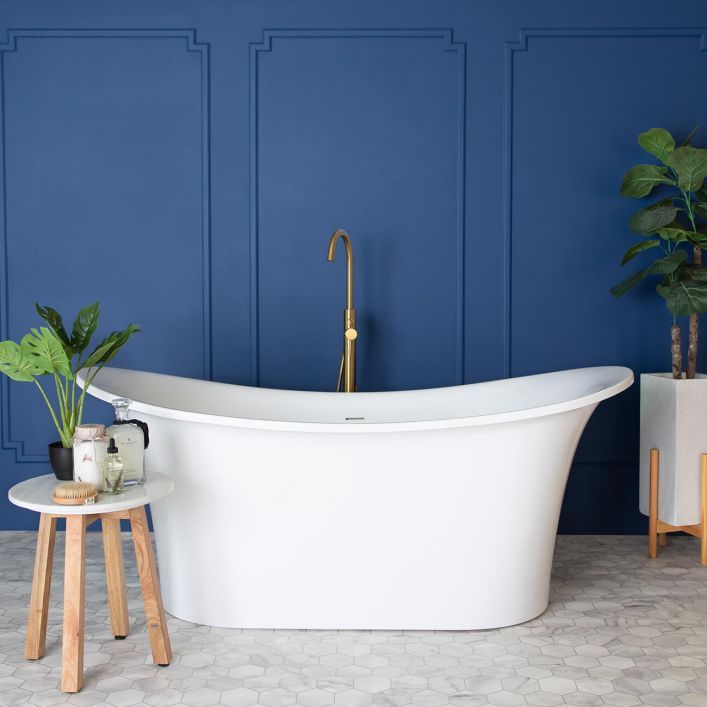
The Bathtub Market retail growth is being shaped by changing lifestyles, evolving bathroom designs, rising interest in home improvement, and increasing consumer attention toward comfort. Bathtubs are no longer viewed only as functional bathroom fixtures. For many homeowners, they have become important elements of relaxation, wellness, interior design, and premium home living.
Retailers are responding to these changing expectations by expanding product selections, improving showroom experiences, strengthening digital sales channels, and offering products across different price categories. From compact tubs designed for smaller bathrooms to freestanding and luxury models, the retail landscape is becoming more diverse.
The growing connection between bathroom aesthetics and overall home design is also encouraging consumers to spend more on visually appealing fixtures. This shift is creating new opportunities for retailers, manufacturers, distributors, and specialized bathroom stores.
Changing Consumer Preferences Supporting Retail Expansion
One of the strongest factors influencing Bathtub Market Retail Growth is the changing way consumers perceive their bathrooms. Modern homeowners increasingly want bathrooms that provide both practicality and a sense of comfort.
Freestanding bathtubs, deep soaking tubs, whirlpool models, and contemporary designs are attracting consumers seeking a more personalized bathing experience. At the same time, traditional built-in bathtubs continue to maintain demand because of their space efficiency and familiarity.
Consumers are also paying closer attention to materials, durability, maintenance requirements, color, shape, and installation flexibility. Retailers that provide a broad range of choices can address different customer requirements while increasing opportunities for cross-selling.
Growth of Home Renovation Activities
Bathroom remodeling is an important contributor to retail demand. Homeowners undertaking renovation projects often replace outdated fixtures with modern products that improve both functionality and appearance.
Bathtubs can serve as a major visual element in a renovated bathroom. As a result, customers may be willing to invest in premium designs when they are already spending on flooring, lighting, vanities, showers, and other bathroom accessories.
Retailers can benefit by positioning bathtubs as part of complete bathroom solutions rather than selling them as individual products. Bundled offerings involving faucets, shower systems, drains, accessories, and installation services can make purchasing more convenient while increasing average transaction values.
Importance of Physical Showrooms
Physical retail stores continue to play an important role in bathtub purchasing because consumers often want to examine products before making a substantial investment.
A bathtub's dimensions, finish, depth, shape, and overall appearance can be difficult to evaluate through photographs alone. Showrooms allow customers to compare different models and understand how products may look within a bathroom environment.
Modern retailers are therefore investing in attractive displays that recreate complete bathroom settings. Instead of presenting individual tubs in isolation, stores can demonstrate how a bathtub works with tiles, lighting, vanities, mirrors, and other fixtures.
Knowledgeable sales staff can further improve the buying experience by explaining installation requirements, maintenance considerations, material differences, and available customization options.
E-Commerce Creating New Retail Opportunities
Digital commerce is becoming increasingly important for bathroom products. Consumers can now explore numerous bathtub styles, compare specifications, read customer reviews, and evaluate prices before visiting a physical store or completing a purchase online.
For retailers, online platforms provide access to customers beyond their immediate geographic markets. Detailed product descriptions, measurements, installation information, high-quality photographs, and videos can help customers make more informed decisions.
However, bathtub e-commerce presents unique logistical challenges because these products are large, heavy, and sometimes fragile. Retailers must therefore develop reliable packaging, transportation, delivery scheduling, and return processes.
An effective omnichannel strategy can combine online research with offline purchasing. Customers may discover a bathtub online, visit a showroom to inspect it, and then complete the purchase through whichever channel offers the greatest convenience.
Premium and Luxury Products
Premiumization is another factor contributing to retail opportunities. Some consumers are willing to pay more for distinctive designs, superior materials, advanced features, and enhanced comfort.
Luxury bathtubs can include deep soaking configurations, ergonomic shapes, hydrotherapy functions, integrated controls, and sophisticated finishes. Such products are particularly relevant to consumers creating spa-inspired bathrooms.
Retailers can use premium product categories to differentiate themselves from competitors that primarily compete on price. High-end displays, personalized consultations, and installation support can reinforce the value proposition.
At the same time, retailers should maintain products at multiple price points. A balanced portfolio allows businesses to serve budget-conscious customers while also capturing demand from premium buyers.
Sustainability and Material Considerations
Environmental awareness is gradually influencing purchasing decisions across home improvement categories. Bathtub consumers may consider product longevity, material efficiency, manufacturing practices, water usage, and recyclability when evaluating alternatives.
Durable products can appeal to customers who prefer long-term investments rather than frequent replacements. Retailers can support this trend by providing clear information about product materials, maintenance requirements, expected durability, and responsible manufacturing characteristics.
Sustainability can also become a useful differentiating factor when retailers communicate product benefits clearly without compromising on design or performance.
Regional Retail Expansion
Retail growth is not limited to established bathroom fixture markets. Urbanization, housing development, rising household incomes, and improvements in residential infrastructure can create opportunities in emerging regions.
Retailers entering new markets need to understand local bathroom layouts, housing sizes, consumer preferences, construction practices, and purchasing behavior. Compact bathtub designs may perform well in locations where residential bathrooms have limited space, while larger premium models may find stronger demand in upscale housing developments.
Local distribution partnerships can also help retailers manage transportation costs and improve product availability.
The Role of Product Variety
Product variety is becoming increasingly important as customers seek personalized bathroom environments. Retailers can expand their portfolios through different shapes, sizes, materials, colors, installation styles, and feature combinations.
Common categories include alcove, freestanding, corner, drop-in, soaking, and whirlpool bathtubs. Offering multiple configurations allows retailers to address different bathroom layouts and consumer budgets.
Customization can provide another source of differentiation. Options involving finishes, dimensions, accessories, and complementary fixtures can help retailers serve customers looking for distinctive bathroom designs.
Retail Marketing Strategies
Successful bathtub retailers are increasingly using digital and visual marketing to attract potential buyers. Social media content, bathroom design inspiration, product demonstrations, virtual consultations, and educational articles can help consumers understand the differences between products.
Search-focused marketing can also capture customers who are actively researching bathtub styles, installation options, pricing, and bathroom renovation ideas.
Retailers can strengthen customer relationships by providing useful information throughout the purchasing journey. Content explaining how to select the correct bathtub size, prepare a bathroom for installation, maintain different materials, and coordinate fixtures can establish credibility.
Future Outlook for Retailers
The future of Bathtub Market Retail Growth will likely depend on how effectively retailers combine product innovation, customer service, digital commerce, and personalized shopping experiences.
Consumers increasingly expect convenience across every stage of the purchasing process. They want to discover products online, compare alternatives easily, access transparent specifications, receive professional guidance, and obtain dependable delivery and installation services.
Retailers that integrate these expectations into a seamless omnichannel experience can strengthen customer loyalty and create new revenue opportunities. Businesses that focus solely on product availability may face greater competition from digital platforms and large home-improvement retailers.
Read more......https://www.pristinemarketinsights.com/bathtub-market-report