Beard Transplant in Dubai: Techniques, Costs, and Clinic Guidance
-

- Published Updated
- 1,349 views
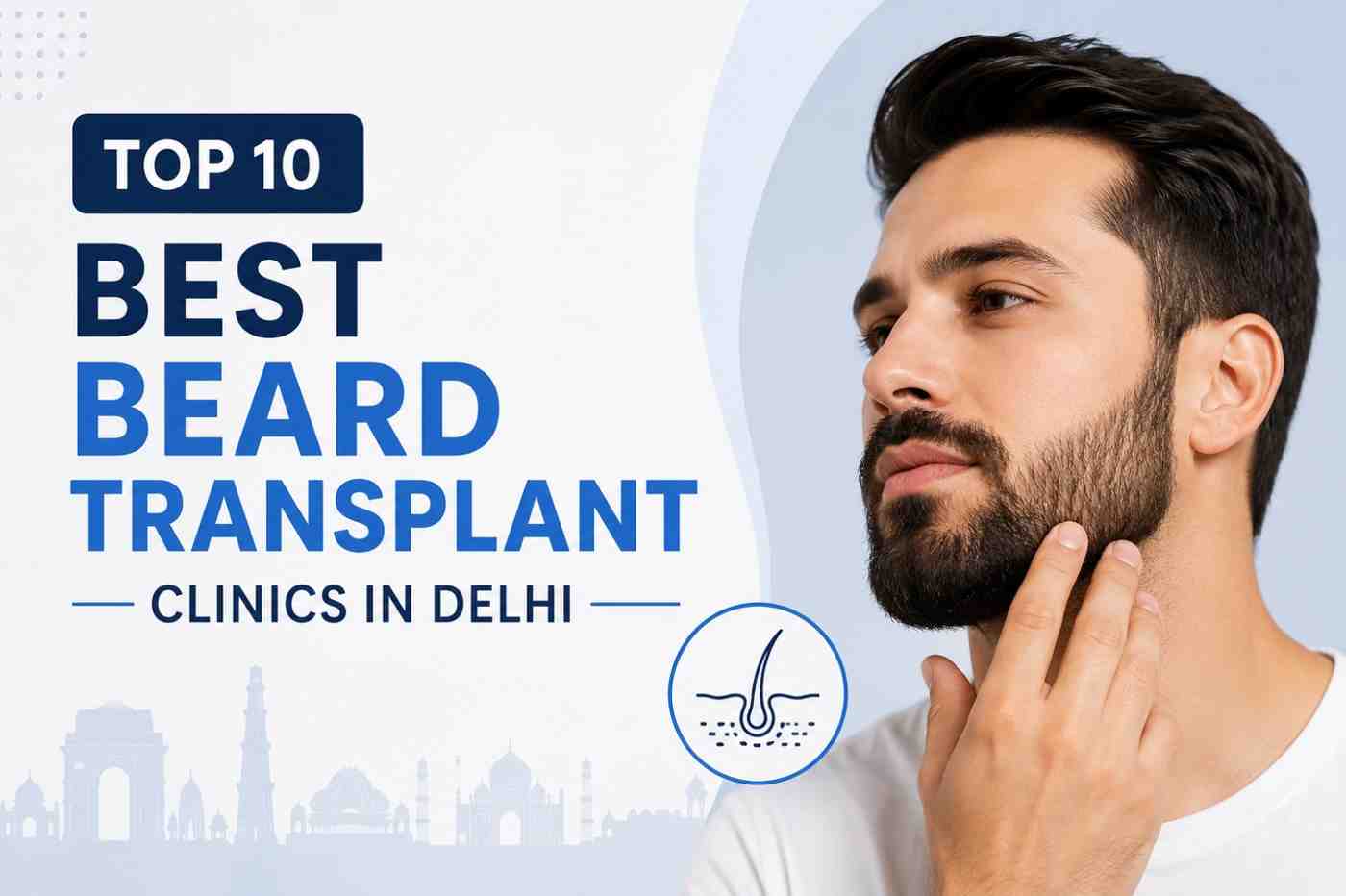
Considering a beard transplant in Dubai is common among men who want denser facial hair, improved shaping, or to address patchy growth. This article explains available techniques, what typical recovery looks like, cost influences, and how local regulation and clinic standards can affect outcomes.
- Popular techniques include FUE (follicular unit extraction) and DHI (direct hair implantation).
- Donor hair is usually taken from the scalp; graft counts and placement affect density and appearance.
- Costs vary with clinic, surgeon experience, and number of grafts; recovery typically takes days to weeks.
- Check clinic credentials, before-and-after results, and regulatory oversight such as local health authorities.
Understanding a beard transplant in Dubai
A beard transplant in Dubai is a cosmetic hair restoration procedure that moves hair follicles from a donor area, usually the scalp, to the beard region to improve density and shape. Techniques borrowed from scalp hair restoration are adapted to facial anatomy, graft size, and angulation to create a natural-looking beard.
Common techniques used
FUE (follicular unit extraction)
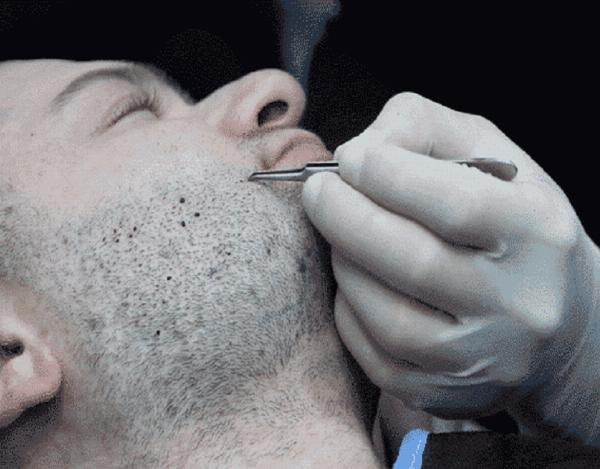
FUE involves harvesting individual follicular units from the donor area and implanting them into recipient sites. It is widely used for beard work because it minimizes linear scarring in the donor zone and allows precise placement of single-hair grafts for natural contours.
DHI (direct hair implantation) and other methods
DHI places grafts with a specialized implanter pen, which can offer control over depth and angle without pre-made recipient incisions. Some clinics offer hybrid approaches or micrografting depending on the beard design and patient goals.
How the procedure works and what to expect
Consultation and planning
Planning includes assessing donor hair quality, hairline and beard design, expected graft needs, and realistic density goals. High-resolution photos and trichoscopic assessment may be used to document baseline conditions.
On the day of the procedure
Procedures are usually performed under local anaesthesia. Graft harvesting, preparation, and implantation may take several hours. The surgeon or surgical team places each graft to match natural hair angle and direction.
Recovery and visible timeline
Expect mild swelling and scabbing in the recipient area for several days. Initial shedding of transplanted hair (shock loss) is common in the weeks after surgery; new growth typically begins a few months post-procedure and continues over 6–12 months. Scarring at the donor site is usually minimal with FUE but varies by technique and individual healing.
Cost factors and budgeting
Costs in Dubai depend on the number of grafts, the chosen technique (FUE vs. DHI), surgeon experience, clinic location, and included services (pre-op assessment, post-op follow-up, medications). Price estimates vary widely; clinics often charge per graft or per session. Financial comparisons should consider credentials, outcomes, and included follow-up rather than price alone.
Choosing a clinic and surgeon in Dubai
Credentials and experience
Look for clinics with experienced surgical teams, clear portfolios of before-and-after photos, and consistent reviews. International and regionally recognized professional bodies, such as the International Society of Hair Restoration Surgery (ISHRS), provide guidance on standards of practice.
Regulation and safety
Dubai clinics operate under local healthcare regulation. Patients can verify facility licensing and practitioner registration with local health authorities. For example, the Dubai Health Authority provides information about licensed healthcare facilities and standards in the emirate: Dubai Health Authority. Sterile technique, proper anaesthesia protocols, and documented follow-up care contribute to safer outcomes.
Potential risks and realistic expectations
Common temporary effects include swelling, redness, scabbing, and transient numbness. Less common risks are infection, poor graft survival, uneven density, or noticeable scarring. Natural-looking results depend on graft selection, placement, and realistic density expectations. Clinical outcomes vary; review multiple cases and ask about complication management and revision policies.
Travel and logistics
Dubai is a regional medical hub with many clinics serving local and international patients. Travel planning should include time for pre-procedure assessment, the procedure itself, and a suitable recovery period. Many clinics provide coordinated care, but verify what services are included and any post-op follow-up required after returning home.
Frequently asked questions
What is a beard transplant in Dubai and who is a candidate?
A beard transplant in Dubai is a surgical transplant of hair follicles to the facial beard area to address patchiness or to reshape facial hair. Common candidates are adults with stable hair loss patterns, insufficient beard density, or scars affecting beard growth. Individual suitability is determined in consultation with a qualified surgical team.
How long does recovery take after a beard transplant?
Initial healing of the recipient sites usually takes days to a couple of weeks. Scabbing and redness typically resolve within two weeks, while new hair growth commonly becomes visible after a few months and continues to improve up to a year.
How many grafts are needed for typical beard reconstruction?
Graft requirements depend on beard size and desired density. Small patches might need a few hundred grafts; full beard reconstruction can require substantially more. Surgeons typically estimate graft counts during an evaluation.
Will a beard transplant leave visible scars at the donor site?
FUE techniques aim to minimize visible scarring by harvesting individual follicles, leaving tiny dot-like marks that are often inconspicuous. The appearance of scarring varies with harvesting technique, hair characteristics, and individual healing.
How to verify clinic quality and outcomes?
Verify practitioner credentials, view documented before-and-after photos, check patient reviews, and confirm facility licensing with local regulators. Ask about follow-up care, revision policies, and how complications are handled.