How Bearing Covers Help Prevent Lubrication Problems in Industrial Machinery
-

- Published Updated
- 64 views
Industrial machinery plays an important role in manufacturing facilities, processing plants, and material handling operations. Equipment such as conveyor systems, rotating shafts, and industrial bearings must operate smoothly to maintain productivity and reduce unexpected downtime. However, regular cleaning and wash-down procedures can sometimes create challenges, especially when water or cleaning solutions remove essential lubricant from machine bearings.
Bearing lubrication is necessary to reduce friction, control heat, and minimise wear between moving components. When lubrication is lost, bearings may experience increased friction, premature wear, and potential equipment failure. Installing suitable protective covers can help reduce exposure to water, cleaning chemicals, and other contaminants.
For manufacturers looking to improve equipment protection, understanding the role of machine covers and industrial plastic components is an important step toward maintaining reliable operations.
Understanding the Bearing Lubrication Problem
Bearings support rotating shafts and help machine components move with minimal friction. In industrial environments, these components often operate continuously under demanding conditions. Proper lubrication helps protect bearing surfaces and supports consistent equipment performance.
However, facilities that regularly clean their machinery may face a common problem: water from wash-down procedures can reach exposed bearings and interfere with their lubrication.
For example, a gypsum processing plant may use conveyor systems to transport materials throughout its facility. During routine cleaning, employees may wash the conveyor belts, surrounding structures, and nearby machine components. If the bearings are not adequately protected, water and cleaning solutions can reach the bearing area.
Depending on the bearing design, lubricant type, sealing arrangement, and cleaning pressure, this exposure may contribute to lubricant loss or contamination. Over time, insufficient lubrication can increase friction and wear, potentially leading to maintenance issues and production interruptions.
This challenge highlights the importance of selecting appropriate protective solutions for industrial equipment.
Why Bearing Covers Are Important
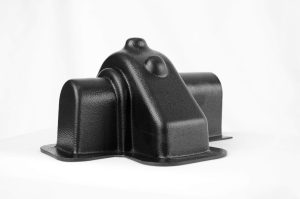
Bearing covers can provide an additional layer of protection around exposed bearing assemblies and related components. When properly designed and installed, they can help reduce direct exposure to water splashes, dust, debris, and other environmental contaminants.
The right cover depends on the machine configuration, operating environment, shaft arrangement, and cleaning requirements.
Some applications may require covers that accommodate shafts extending from both sides of a bearing assembly. In these situations, the cover must provide suitable clearance for the rotating shaft while maintaining effective protection around vulnerable components.
A well-designed protective cover can offer several advantages:
Reduced exposure to water: Helps limit direct contact between wash-down water and protected machine components.
Improved contamination control: Helps reduce the entry of dust, debris, and other unwanted materials.
Better maintenance planning: May help reduce cleaning-related maintenance issues when used as part of an appropriate equipment protection strategy.
Support for equipment reliability: Protecting bearings from environmental exposure can contribute to more consistent machinery operation.
Application flexibility: Custom covers can be designed around specific equipment dimensions and operating requirements.
It is important to remember that a cover alone does not guarantee lubrication retention. Suitable bearing seals, compatible lubricants, correct installation, and appropriate cleaning procedures remain essential.
Selecting the Right Protective Cover for Industrial Applications
Not every industrial machine has the same protection requirements. A cover designed for one conveyor system may not be suitable for another machine with different shaft dimensions, operating speeds, temperatures, or cleaning conditions.
Before selecting a protective cover, manufacturers should evaluate several factors.
1. Shaft Dimensions and Configuration
The cover must accommodate the bearing housing and any shaft extensions. Accurate measurements help ensure suitable clearance and reduce the risk of interference with moving components.
2. Cleaning Methods
Facilities should consider whether equipment is cleaned using low-pressure water, high-pressure washing, detergents, or other cleaning agents. These conditions influence the required protection level and the materials suitable for the application.
3. Material Compatibility
The cover material should withstand the operating environment, including moisture, temperature variations, cleaning chemicals, and potential physical impact.
Thermoformed plastic components can be useful in selected industrial applications because they can be shaped into application-specific forms. However, material selection must account for the required strength, heat resistance, chemical compatibility, and service conditions.
4. Access for Inspection and Maintenance
Protective covers should allow maintenance personnel to inspect equipment and perform necessary servicing without creating unnecessary complications. The design should balance protection with accessibility.
5. Safe Installation and Operation
Covers must be installed securely and should not interfere with rotating shafts, moving equipment, or existing machine guards. Industrial safety requirements should always guide the final design.
How Custom Thermoforming Supports Industrial Protection
Thermoforming is a manufacturing process in which a plastic sheet is heated until it becomes formable and then shaped using a mold. After cooling, the formed component can be trimmed and finished to meet the requirements of its intended application.
This process is used to manufacture a range of plastic components for industrial and commercial applications, depending on the material, design, and performance requirements.
Custom thermoformed components may be considered for protective housings, equipment covers, machine enclosures, and other applications where a shaped plastic part is appropriate.
For industrial manufacturers, custom forming can provide flexibility when standard components do not match the required dimensions or equipment layout. Design considerations may include the overall shape, wall thickness, mounting points, access openings, and clearance around machine components.
Om Raj Tech provides manufacturing solutions in plastic forming, including thermoforming and related processes. For businesses evaluating custom plastic components, the appropriate manufacturing method depends on the required geometry, material properties, production volume, and end-use conditions.
When considering a custom cover for a bearing assembly, the design should be reviewed to determine whether thermoforming is suitable or whether another manufacturing method would better meet the application's mechanical and environmental requirements.
Practical Steps to Reduce Bearing Lubrication Issues
Protective covers are one part of a broader equipment maintenance strategy. Industrial facilities can also take several practical steps to reduce lubrication-related problems.
Inspect exposed bearings regularly. Check bearing housings and surrounding components for signs of water exposure, contamination, lubricant leakage, or unusual wear.
Review wash-down procedures. Where appropriate, adjust cleaning direction, pressure, and distance to reduce unnecessary exposure of sensitive components.
Check bearing seals. Ensure seals are compatible with the operating environment and are maintained according to the equipment manufacturer's recommendations.
Use the correct lubricant. Select a lubricant suitable for the bearing type, operating temperature, load, and environmental conditions.
Evaluate protective covers. Determine whether an existing cover, modified design, or custom protective component could improve resistance to water splashes and contamination.
Follow preventive maintenance schedules. Regular inspections and timely servicing can help identify problems before they lead to more significant equipment damage.
These measures work together to support reliable equipment operation and improve maintenance planning.
Choosing an Industrial Manufacturing Partner
When a manufacturing facility needs a custom plastic component, choosing the right manufacturing partner is an important part of the process. The supplier should understand the application requirements and help determine the most suitable manufacturing approach.
Businesses should discuss component dimensions, operating conditions, material requirements, expected production quantities, and any applicable safety standards before finalizing a design.
Om Raj Tech offers expertise in plastic manufacturing processes, including thermoforming, pressure thermoforming, compression forming, twin-sheet forming, and other molding solutions. These capabilities can support different component designs depending on the project's requirements.
For applications involving bearing covers or other machine protection components, customers should confirm the required specifications and manufacturing suitability with the engineering and production team before proceeding.
Conclusion
Bearing lubrication problems can affect equipment reliability, maintenance costs, and production efficiency, particularly in industrial facilities that use frequent wash-down procedures. When water or cleaning solutions reach exposed bearings, they may contribute to lubricant loss or contamination, depending on the equipment and cleaning conditions.
Appropriately designed protective covers, suitable bearing seals, correct lubrication practices, and preventive maintenance can help reduce these risks.
For manufacturers exploring custom plastic components, thermoforming and other plastic manufacturing processes may offer potential solutions for selected protective applications. By evaluating the machine configuration, environmental conditions, material requirements, and safety considerations, businesses can make informed decisions about equipment protection.
Om Raj Tech helps businesses explore plastic manufacturing solutions tailored to their component requirements. Contact the team to discuss your application and determine which manufacturing process may be suitable for your project.