Beauty Devices Market Commercial Potential: Opportunities, Innovation, and Consumer Demand
-

- Published Updated
- 3,437 views
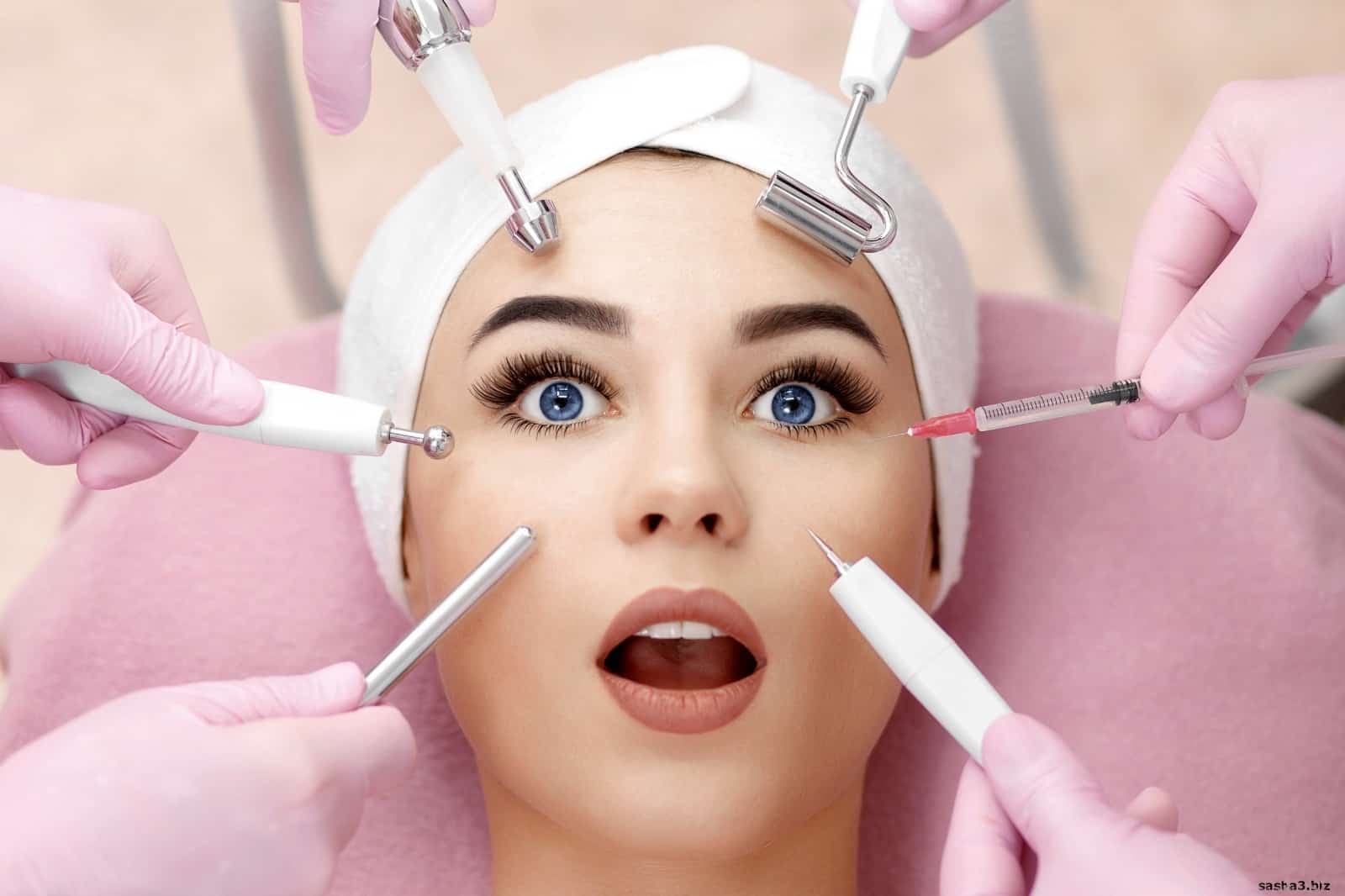
The Beauty Devices Market is gaining commercial importance as consumers increasingly seek convenient, technology-enabled solutions for skincare, haircare, grooming, and personal wellness. Beauty devices are no longer limited to professional salons or specialized clinics. A broader range of consumers now uses at-home products designed to support everyday beauty routines, creating opportunities across retail, e-commerce, professional services, and direct-to-consumer channels.
The commercial potential of this industry is supported by changing lifestyles, increasing interest in personalized beauty, product innovation, and greater consumer awareness of device-based treatments. Manufacturers are responding by developing products that combine convenience, portability, multifunctionality, and user-friendly operation.
Changing Consumer Expectations Create New Opportunities
Modern consumers increasingly value beauty solutions that fit easily into their daily schedules. Traditional appointments can require considerable time and expense, while home-use devices provide an alternative for consumers who prefer greater control over their routines.
This shift is creating commercial opportunities for devices targeting facial care, hair removal, skin rejuvenation, cleansing, massage, hair growth support, and other personal-care applications. Products that offer simple operating procedures and practical designs can appeal to consumers with different levels of experience.
Another important factor is personalization. Consumers increasingly want products that address specific beauty concerns rather than relying on one solution for everyone. This encourages manufacturers to develop specialized devices for different skin types, hair types, age groups, and beauty routines.
Expansion of At-Home Beauty Technology
At-home usage represents an important area of commercial opportunity. Consumers are becoming more comfortable incorporating technology into personal-care routines, particularly when devices are compact and straightforward to operate.
Portable facial cleansing devices, light-based skincare equipment, electronic massagers, hair-removal systems, and other personal beauty tools can be marketed for regular household use. Their convenience creates opportunities for repeat purchases, accessories, replacement components, and complementary skincare products.
The commercial appeal of at-home devices also extends beyond individual consumers. Gift purchases, seasonal promotions, subscription-based accessories, and bundled product packages can provide additional revenue opportunities for brands.
E-Commerce Strengthens Market Reach
Online retail is changing how consumers discover, compare, and purchase beauty devices. E-commerce platforms allow manufacturers and retailers to reach customers beyond traditional geographic markets.
Detailed product descriptions, demonstrations, customer reviews, instructional videos, and comparison tools can help consumers understand how devices work before purchasing. Social media content can further increase product visibility by demonstrating product features and usage routines.
For emerging brands, digital channels can reduce dependence on physical retail networks. Direct-to-consumer models can provide greater control over branding, customer communication, promotions, and product launches.
Innovation Supports Commercial Differentiation
Product innovation remains central to the Beauty Devices Market Commercial Potential. With many products competing for consumer attention, manufacturers need to differentiate devices through functionality, design, convenience, and overall user experience.
Multifunctional devices are one approach. A single product capable of performing several beauty-related functions can attract consumers who prefer compact solutions. However, multifunctionality must be balanced with ease of use. Consumers may avoid complicated products even when they offer numerous features.
Ergonomic designs, lightweight construction, rechargeable batteries, intuitive controls, adjustable settings, and travel-friendly formats can strengthen product appeal. Quiet operation and easy maintenance may also influence purchasing decisions.
Professional Beauty Businesses Offer Additional Demand
Commercial opportunities are not restricted to household consumers. Salons, spas, dermatology-focused establishments, wellness centers, and beauty clinics can create demand for professional-grade equipment.
Professional businesses often require devices designed for frequent use, durability, operational efficiency, and consistent performance. Manufacturers serving this segment can develop specialized product lines with different capabilities and pricing structures from consumer-oriented models.
Training and after-sales support can also become important parts of the commercial proposition. Suppliers that provide clear operating guidance, maintenance assistance, warranties, and replacement services may strengthen relationships with professional customers.
Growing Interest in Personalized Beauty
Personalized beauty is influencing product development and purchasing behavior. Consumers increasingly look for solutions suited to their individual concerns and routines.
This creates opportunities for companies to organize products around specific needs rather than broad beauty categories. For example, businesses can offer dedicated product ranges for cleansing, hydration support, facial massage, haircare, grooming, or appearance-focused treatments.
Personalization can also influence marketing strategies. Instead of promoting a device solely through technical specifications, brands can explain how different consumers might incorporate it into their daily routines. Educational content can help potential buyers understand which features are relevant to their needs.
Premium and Affordable Segments Can Coexist
The Beauty Devices Market has commercial opportunities across different price categories. Premium devices can target consumers interested in advanced features, sophisticated designs, and enhanced user experiences. More affordable products can attract first-time users and consumers seeking accessible beauty technology.
This creates room for tiered product portfolios. Companies can offer entry-level models alongside mid-range and premium devices, allowing consumers to move between product categories as their familiarity with beauty technology increases.
Pricing strategies can also influence market penetration. Promotional bundles, seasonal discounts, introductory offers, and accessory packages can encourage consumers to experiment with unfamiliar product categories.
Sustainability Can Influence Product Development
Sustainability is becoming increasingly relevant to consumer purchasing decisions. Beauty device manufacturers can explore opportunities to reduce unnecessary packaging, improve product durability, and design devices that remain useful over longer periods.
Rechargeable products may appeal to consumers seeking alternatives to disposable battery-powered options. Replaceable components and repair-friendly designs can also support longer product lifecycles.
Sustainability can therefore become both a product-development consideration and a commercial differentiator, particularly among consumers who evaluate brands according to broader environmental expectations.
Opportunities Through Product Accessories and Services
The commercial potential of beauty devices extends beyond the initial equipment sale. Accessories, replacement heads, charging components, storage cases, and other compatible products can create additional revenue streams.
Companies can also explore service-based opportunities such as extended warranties, maintenance programs, instructional content, and customer support. These services can improve the overall ownership experience while encouraging stronger relationships between brands and consumers.
For professional customers, maintenance and technical support may be particularly important because equipment downtime can affect business operations.
Regional and Demographic Expansion
Beauty device adoption can expand across different consumer demographics and geographic markets as awareness increases. Younger consumers may be attracted to technology-oriented products and digital purchasing experiences, while older consumers may seek devices designed around specific personal-care needs.
Urban consumers can represent an important audience because busy lifestyles often increase demand for convenient personal-care solutions. At the same time, online distribution can help brands reach consumers outside major metropolitan areas.
Localized product positioning, pricing, customer education, and distribution strategies can help companies address differences in consumer preferences across regions.
Future Business Opportunities
The future commercial landscape will likely favor companies that combine product innovation with strong consumer understanding. Successful brands may focus not only on creating technically capable devices but also on making them easy to understand, purchase, use, and maintain.
Businesses can strengthen their position through diverse product portfolios, digital engagement, professional partnerships, retail expansion, and effective after-sales services. Continuous improvements in design and functionality can also help companies remain relevant as consumer expectations evolve.
The Beauty Devices Market Commercial Potential is therefore supported by several interconnected opportunities. At-home beauty routines, professional applications, e-commerce, personalized products, innovative designs, and complementary services all provide pathways for commercial expansion.
Read more....https://www.pristinemarketinsights.com/beauty-devices-market-report