Benefits of Acupuncture Therapy: 10 Evidence-Based Health Advantages
-

- Published Updated
- 1,673 views
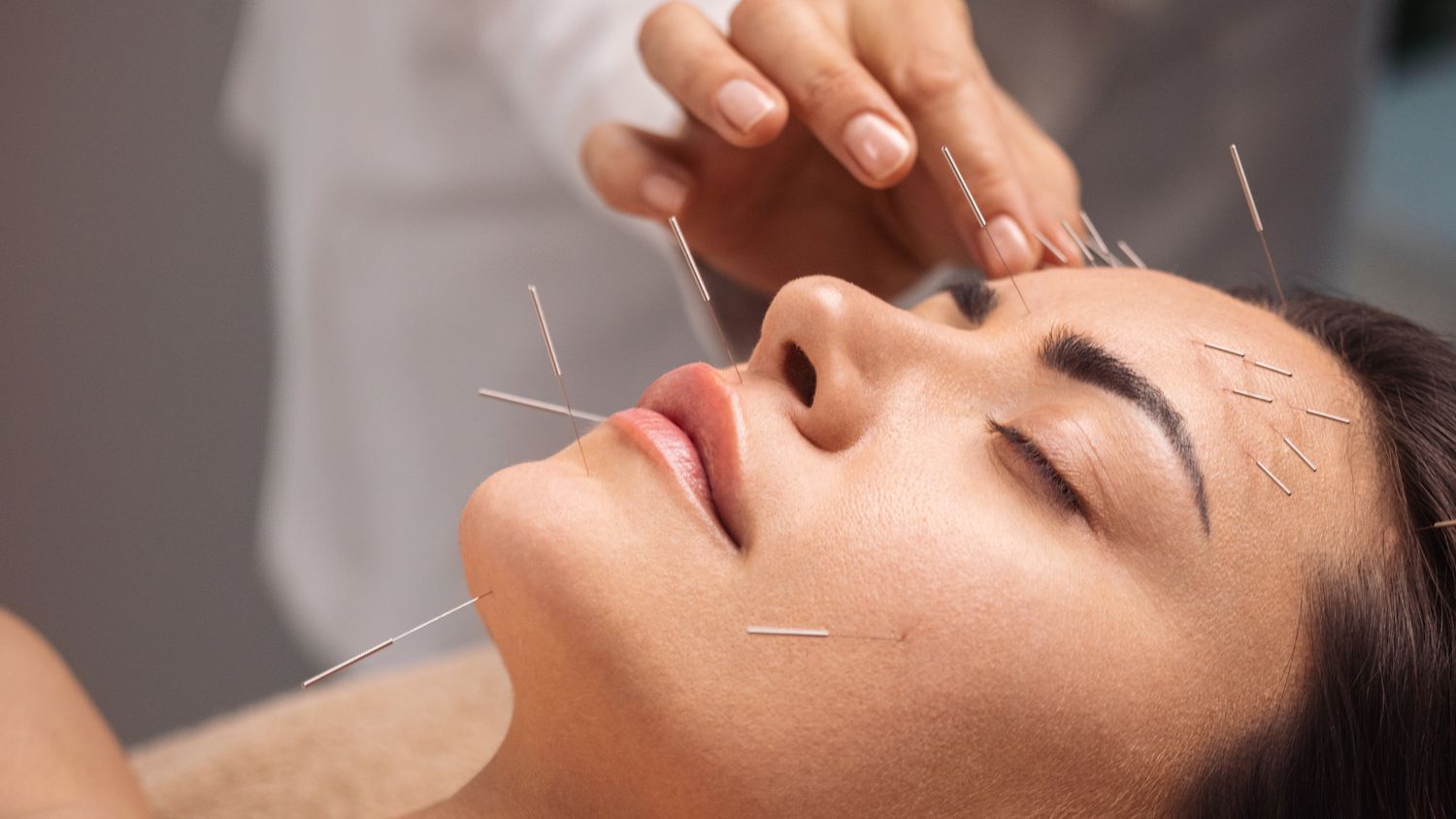
The benefits of acupuncture therapy are increasingly discussed in clinical guidelines, patient education, and integrative health resources. Acupuncture—rooted in Traditional Chinese Medicine (TCM) and studied through modern clinical trials—has been evaluated for pain management, stress reduction, and supportive care in a range of conditions.
- Acupuncture is commonly used for chronic pain, headache, and some rehabilitation settings.
- Research includes randomized controlled trials and systematic reviews; guidance from bodies like the World Health Organization (WHO) and national research centers informs practice.
- Common benefits reported include pain relief, reduced nausea, improved sleep, and stress reduction; safety depends on qualified practitioners and sterile technique.
Benefits of Acupuncture Therapy
1. Relief from chronic pain
Acupuncture is frequently studied for chronic pain conditions such as low back pain, osteoarthritis, and neck pain. Clinical trials and meta-analyses have reported modest-to-moderate improvements in pain scores compared with usual care or sham acupuncture in some populations. Pain modulation is one of the most commonly cited benefits in patient surveys and clinical guidelines.
2. Reduction of tension-type and migraine headaches
Multiple randomized trials indicate acupuncture can reduce the frequency and intensity of migraine and tension-type headaches. Some clinical guidelines include acupuncture as an option for patients who do not tolerate or prefer to avoid long-term pharmacologic prophylaxis.
3. Easing postoperative and chemotherapy-related nausea
Acupuncture, including electroacupuncture and auricular techniques, has been used to reduce postoperative nausea and vomiting and chemotherapy-induced nausea. Evidence varies by setting, but several controlled studies report reductions in nausea severity and antiemetic use.
4. Support for mental well-being and stress
Acupuncture is associated with improvements in symptoms of stress, anxiety, and some aspects of depression in clinical studies. Mechanisms proposed in research include modulation of neurotransmitters and autonomic nervous system balance, though findings are heterogeneous.
5. Improved sleep quality
Some clinical trials find acupuncture can improve sleep onset and sleep quality for people with insomnia or sleep disturbances. Outcomes often include patient-reported sleep scales and reduced use of sleep medications in certain trials.
6. Complementary role in musculoskeletal rehabilitation
In physical rehabilitation programs, acupuncture is sometimes used alongside exercise, manual therapy, and education to help manage pain and improve function after injury or surgery.
7. Reduced reliance on pain medications
For some patients, acupuncture contributes to lower use of analgesic medications, including opioids, when included as part of a multimodal pain management plan. This is often cited as a potential public health advantage in contexts prioritizing opioid-sparing approaches.
8. Symptom management in chronic conditions
People with chronic conditions such as fibromyalgia or irritable bowel syndrome sometimes report symptomatic benefit from acupuncture, including reduced pain and improved quality of life measures in clinical studies.
9. Improvement in circulation and local tissue effects
Some studies suggest acupuncture can influence local blood flow and inflammatory markers, which may support healing processes in certain musculoskeletal conditions. These physiological effects are under active research.
10. Supportive care for palliative and integrative medicine
Acupuncture is used in integrative oncology and palliative care settings to help manage pain, nausea, xerostomia (dry mouth), and anxiety, often as a complement to conventional treatments.
Evidence, guidelines, and safety considerations
Systematic reviews and authoritative bodies have evaluated acupuncture for various conditions. The National Center for Complementary and Integrative Health (NCCIH) and review organizations summarize evidence quality and gaps. Safe practice depends on practitioner training, use of disposable sterile needles, and appropriate screening for bleeding disorders or pacemakers. For general information from a national research body on acupuncture evidence and safety, see the NCCIH overview: https://www.nccih.nih.gov/health/acupuncture.
What to expect during a session
A typical acupuncture session includes a health history, targeted point selection, insertion of thin needles that may be left in place for 10–30 minutes, and follow-up recommendations. Some practitioners use adjuncts such as moxibustion, cupping, or electroacupuncture. Licensed or certified practitioners follow local regulations and standards; consult national licensing boards for credential requirements.
Limitations and when to seek conventional care
Acupuncture is not a replacement for urgent medical or surgical care. Evidence quality varies by condition, and responses differ among individuals. Clinicians and patients often consider acupuncture as part of a broader treatment plan. For conditions with red-flag symptoms—such as acute neurological deficits, infection, or severe internal disease—immediate conventional medical evaluation is recommended.
Frequently asked questions
What are the benefits of acupuncture therapy?
Reported benefits include pain relief, reduction in headache frequency, nausea control, improved sleep, and decreased stress. Quality and strength of evidence vary by condition; consult clinical summaries from health agencies and qualified practitioners for condition-specific guidance.
Is acupuncture safe?
When performed by trained practitioners using sterile, single-use needles, acupuncture is generally considered safe. Adverse events are usually minor (e.g., bruising, soreness). Major complications are rare but can occur if proper technique or screening is not followed.
How many sessions are usually needed?
The number and frequency of sessions depend on the condition, severity, and individual response. Some patients report improvements after a few sessions; others may require ongoing or maintenance therapy. Treatment plans should be individualized.
Can acupuncture be combined with other treatments?
Acupuncture is often used as part of multimodal care alongside medications, physiotherapy, counseling, or other interventions. Coordination with primary care or specialist providers can help ensure safe and effective integrated care.