Kumkumadi Oil Face Cream Benefits: A Practical Guide to Glowing, Even Skin
-

- Published Updated
- 825 views
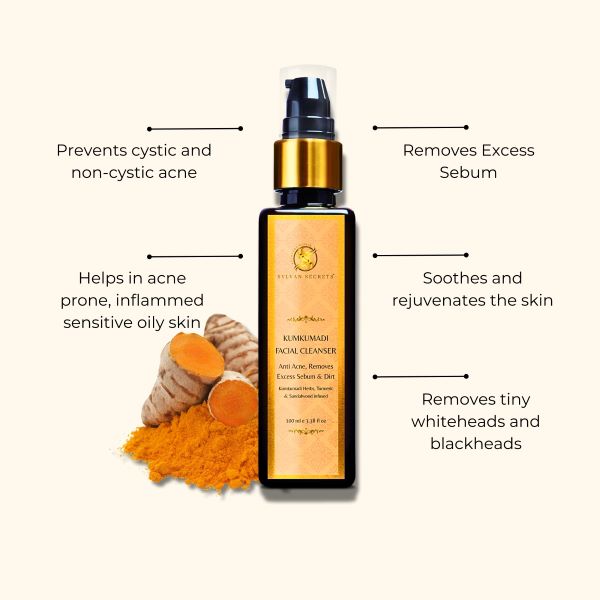
Kumkumadi oil face cream benefits are claimed across skin types: improved radiance, evening of skin tone, and support for skin barrier function when formulas combine traditional ayurvedic extracts with modern emollients. This guide explains what those benefits mean, how the active ingredients work, and how to pick and use a kumkumadi-infused moisturizer safely and effectively.
- Benefits include brightening, antioxidant protection, and gentle moisturization when properly formulated.
- Look for balanced oil-in-cream formulations that match skin type and avoid high-comedogenic carriers if prone to breakouts.
- Patch test new products and introduce slowly; mixing with strong actives can increase irritation.
Detected intent: Informational
Kumkumadi oil face cream benefits: What the ingredients do
The phrase "Kumkumadi oil face cream benefits" refers to results expected when kumkumadi tailam (a traditional ayurvedic saffron and herb oil complex) is incorporated into modern cream bases. Key botanical actives often include saffron (kesar), sandalwood, turmeric, manjistha, and vetiver; these provide antioxidants, mild anti-inflammatory effects, and botanical pigments that can help visual radiance. When paired with humectants and emollients, the final product can offer both immediate glow and support for barrier repair.
Core advantages and mechanisms
Brightening and tone evening
Saffron and manjistha contain compounds that may reduce visible dullness and pigmentation over time by supporting even cell turnover and reducing oxidative stress on melanocytes.
Antioxidant and anti-inflammatory support
Botanical antioxidants protect against free-radical damage from UV and pollution, while anti-inflammatory botanicals reduce redness and irritation, making skin look calmer and more luminous.
Moisturization and skin barrier support
When kumkumadi is formulated into a cream, humectants (like glycerin), emollients, and occlusives help restore and lock in moisture—critical for a healthy-reflective glow.
How to choose a kumkumadi-infused moisturizer
Not all products labeled kumkumadi are the same. Look for clear ingredient lists, reasonable concentrations of botanical extracts, and compatibility with skin type. For oily or acne-prone skin, seek a non-comedogenic label and lightweight carrier oils; for dry skin, richer emollients are appropriate.
GLOW Framework: A simple checklist for selecting a product
- G — Gentle base: mild surfactants and no unnecessary fragrance.
- L — Look for balanced oil concentration: not just pure tailam in a heavy base.
- O — Observe skin type suitability: non-comedogenic for oily, richer for dry.
- W — Watch for interactions: avoid combining immediately with strong acids or retinoids without guidance.
Practical application: how to use kumkumadi face creams safely
Use kumkumadi-infused creams as part of a gentle evening or morning routine depending on the formulation. Start with a patch test on the inner forearm, wait 24–48 hours, then apply to the face 2–3 times weekly before increasing frequency. If the product contains photosensitizing botanicals or acids, use at night and wear daily sunscreen.
For guidance on patch testing and contact dermatitis management, consult a reliable clinical resource such as the NHS guidance on patch testing (NHS: Patch testing).
Short real-world example
A 38-year-old with post-inflammatory hyperpigmentation and dry skin swapped to a kumkumadi-infused cream with glycerin and squalane as the base. After 10 weeks of nightly application and consistent SPF use, noticeable improvements in overall radiance and reduced dryness were observed; targeted pigmentation required continued use and complementary brightening actives under professional guidance.
Practical tips for best results
- Patch test new kumkumadi products for 48 hours before full-face use.
- Introduce gradually: start twice weekly and increase as tolerated to monitor sensitivity.
- Pair with sunscreen daily; botanicals do not replace photoprotection.
- Match formulation to skin type: look for "non-comedogenic" if acne-prone.
- Store natural-oil products away from direct heat and light to preserve potency.
Trade-offs and common mistakes
Trade-offs
Traditional oil concentrates can be highly fragrant and richly textured; the trade-off is between authentic botanical potency and modern cosmetic preferences for lighter textures. Creams offer easier use for many skin types but can dilute traditional concentrations.
Common mistakes
- Assuming "natural" equals "non-irritating": botanicals can cause allergic reactions for some people.
- Using multiple active brighteners at once (e.g., high-strength vitamin C, strong acids, and botanical lighteners) without professional guidance increases irritation risk.
- Skipping sunscreen: brightening effects will be limited without photoprotection.
Related terms and entities
Relevant terms to know: kumkumadi tailam, saffron (Crocus sativus), manjistha, sandalwood, turmeric, humectants, emollients, non-comedogenic, antioxidant, ayurvedic skincare, niacinamide, vitamin C, skin barrier.
Core cluster questions
- How does kumkumadi oil compare with pure saffron extracts for skin brightening?
- What ingredients should a kumkumadi-infused moisturizer avoid for acne-prone skin?
- How long does it take to see results from kumkumadi oil products?
- Can kumkumadi formulations be used with retinoids or chemical exfoliants?
- What does "kumkumadi tailam" mean and how does it differ from Western botanical oils?
FAQ
Are Kumkumadi oil face cream benefits backed by evidence?
Traditional use and small clinical studies suggest botanical components like saffron and manjistha have antioxidant and anti-inflammatory properties that can support skin appearance. High-quality, large-scale randomized trials are limited; therefore, evaluate products based on formulation quality and documented ingredient concentrations.
How should a kumkumadi-infused moisturizer be incorporated into a routine?
Begin with a patch test, introduce the product slowly (2–3 times per week), and use consistently for 8–12 weeks to assess results. Always pair with daily SPF and simplify other actives while introducing the new product.
Can Kumkumadi oil face cream benefits include reduced hyperpigmentation?
Some users see gradual improvement in pigmentation because botanical actives can support even cell turnover and reduce oxidative stress; persistent or deep pigmentation often needs multi-modal treatment under a clinician's supervision.
Is kumkumadi-infused moisturizer suitable for sensitive skin?
Formulations without added fragrance and with soothing bases (glycerin, ceramides) can work for sensitive skin, but patch testing is essential because botanicals can still trigger reactions in susceptible individuals.
How can someone identify a high-quality kumkumadi-infused cream?
Check for a transparent ingredient list, appropriate moisturizer base for the skin type, non-comedogenic labeling if needed, evidence of preservative systems to prevent contamination, and professional product labeling that does not overpromise results.
For further reading on safety and testing practices, the NHS overview on patch testing provides clear steps for identifying allergic reactions and when to consult a dermatologist.