Best Places to Visit on a Karnataka Tour: Heritage, Hills and Wildlife
-

- Published Updated
- 1,527 views
Planning a Karnataka tour offers a mix of UNESCO World Heritage sites, hill stations, wildlife reserves and coastal beaches across the state. This guide highlights the most rewarding places to explore, practical timing and transport tips, and suggested routes to suit different interests and trip lengths.
- Must-see heritage: Hampi (UNESCO), Belur-Halebidu, Badami-Aihole.
- Hill stations and coffee country: Coorg (Kodagu), Chikmagalur.
- Wildlife and nature: Bandipur, Nagarhole, Kabini, Western Ghats.
- Coastal and beaches: Gokarna, Karwar, Murudeshwar.
- Typical trip lengths: 4–7 days for highlights; 10–14 days for a deeper tour.
Planning a Karnataka tour: timing, transport and itineraries
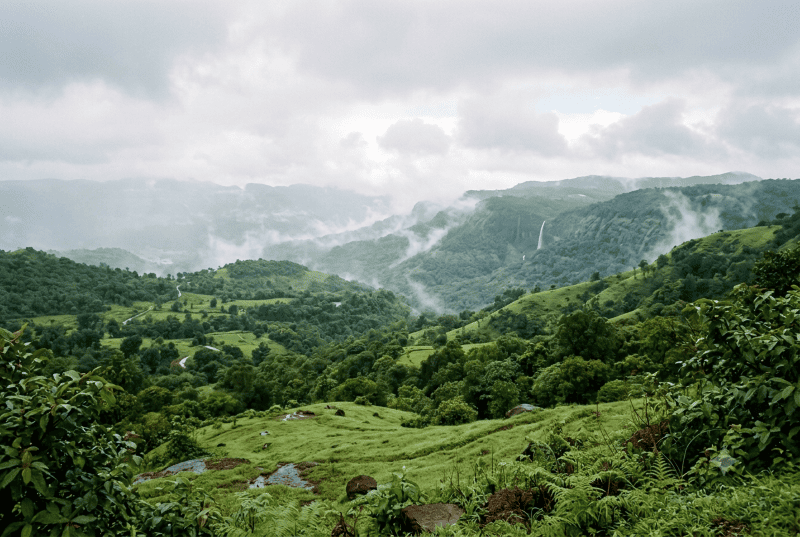
Deciding when to travel helps shape a Karnataka tour itinerary. The cooler months from October to February are popular for comfortable sightseeing and outdoor activities, while the monsoon (June–September) brings lush landscapes across the Western Ghats and is ideal for viewing waterfalls and biodiversity. For festival-focused travel, Mysore Dasara and local temple festivals provide cultural highlights.
Getting there and getting around
Major airports at Bengaluru, Mangaluru and Hubballi connect to domestic and some international flights. Indian Railways serves many historic towns and cities; road travel by car, bus or private taxi is common for regional exploration. National and state highways link key destinations, but journeys through the Western Ghats can be winding and slower than map distances suggest.
Suggested itineraries
Short trip (4–7 days): Bengaluru – Mysore – Srirangapatna – Coorg (or Hampi if preferring heritage over hills). Medium trip (8–10 days): Hampi – Badami – Aihole – Hospet – Mysore – Coorg. Longer trip (10–14 days): Add Kabini/Bandipur for wildlife, Gokarna/Karwar for the coast, and Belur–Halebidu for temple architecture.
Top places to explore in Karnataka
Hampi and the Vijayanagara heritage
Hampi preserves the ruins of the Vijayanagara Empire and is listed as a UNESCO World Heritage Site. Large stone temples, market streets and riverside boulder-strewn landscapes define the area. The Archaeological Survey of India (ASI) manages many monuments; photography, walking routes and guided tours can help interpret the extensive ruins.
Mysore and Srirangapatna
Mysore is known for palaces, colonial-era avenues and the Dasara festival. Nearby Srirangapatna offers historical monuments linked to the 18th–19th century regional history. Museums and public conservation bodies provide contextual information for visitors.
Coorg (Kodagu) and Chikmagalur: hills and coffee country
Coorg and Chikmagalur are hill destinations known for coffee plantations, misty hills and trekking opportunities. Nature walks, plantation tours, and short treks are popular. The Western Ghats here are part of a global biodiversity hotspot, with a variety of endemic plants and animals.
Wildlife reserves: Bandipur, Nagarhole and Kabini
Wildlife sanctuaries in central and southern Karnataka protect tiger, elephant and large mammal populations. Kabini and Nagarhole are noted for boat safaris and guided game drives. These reserves are managed by the state forest departments with seasonal booking rules and limits on visitor numbers in core zones.
Heritage temples and rock-cut sites
Belur and Halebidu showcase Hoysala architecture with intricate stone carving; Badami, Aihole and Pattadakal illustrate early medieval rock-cut and structural temples. Conservation oversight often involves the ASI and state-level archaeological departments.
Coastal towns and beaches
Gokarna, Karwar and Murudeshwar offer quieter beaches and coastal temples compared with more developed beach destinations. Coastal Karnataka has a mix of fishing villages, seafood cuisine and lighthouses; environmental considerations apply for coastal development and protected marine areas.
Practical tips for sustainable and safe travel
Respect local rules and protected areas
Follow signage and guidance in wildlife reserves and protected heritage zones. Many sites are protected under national heritage laws and environmental regulations; visitors should avoid littering, refrain from disturbing wildlife, and use licensed guides where required.
Health and accessibility
Carry water and sun protection for daytime excursions, especially in open archaeological sites and coastal areas. Check local health advisories and transport conditions when planning remote or monsoon-season travel. Accessibility varies by site; many historic monuments have uneven terrain and limited facilities.
Further information
Official information on permits, regional regulations and seasonal advisories can be found through state tourism and government portals. For official travel guidance and regional resources, consult the Karnataka government site: karnataka.gov.in.
Frequently asked questions
What is the best time to plan a Karnataka tour?
The best time for general sightseeing is October to February for cooler, dry weather. The monsoon (June–September) transforms the Western Ghats and waterfalls but can affect road travel; summer months are hotter and better for higher-elevation hill stations.
How many days are needed to see highlights of Karnataka?
A 5–7 day trip covers prime highlights like Mysore and Hampi or Mysore and Coorg. A 10–14 day trip allows time for heritage, wildlife, hills and a coastal visit with less rushed travel.
Are guided tours necessary for heritage sites and wildlife reserves?
Guided tours enhance understanding at complex heritage sites and are often required or recommended in protected wildlife areas. Guides provide historical context, safety information and help ensure compliance with local rules.
Is Karnataka suitable for nature-based travel during monsoon season?
Yes. Monsoon brings lush scenery and fuller rivers in the Western Ghats, though some roads and trails may be slippery or closed. Check local advisories from forest and municipal authorities before travel.