Best Seasons for Roof Replacement: A Homeowner’s Practical Guide
-

- February 23rd, 2026
- 1,140 views

👉 Best IPTV Services 2026 – 10,000+ Channels, 4K Quality – Start Free Trial Now
Seasonal roof replacement is a common concern for homeowners planning maintenance or upgrades. Timing affects cost, material performance, contractor availability, and weather-related risk. This guide explains how seasons influence roof replacement decisions and what steps to take before, during, and after work.
- Spring and fall typically offer the best balance of moderate temperatures and lower storm risk.
- Cold or very hot weather can complicate installation of certain materials (for example, asphalt shingles).
- Permits, inspections, and warranties should be confirmed before scheduling work.
- Obtain multiple estimates, verify contractor licensing, and check local building codes.
Seasonal roof replacement: when to schedule and why it matters
Choosing the right season for a roof replacement reduces the likelihood of weather-related delays, protects roofing materials, and can influence final cost. Many roofing materials, such as asphalt shingles, require moderate temperatures and dry conditions for optimal adhesion and curing. Contractors also tend to be busier in summer; scheduling outside peak times may improve availability and pricing.
How weather and climate affect timing
Spring and fall: balance of conditions
Spring and fall are often recommended for roof replacement because temperatures are generally moderate and prolonged storms are less common than in winter or hurricane season. Moderate conditions help sealants and adhesives perform correctly, and crews can work more consistently without extreme heat or cold.
Summer: heat impacts and contractor schedules
Summer brings long daylight hours that can speed projects, but high roof-surface temperatures may cause materials to expand or adhesives to cure too quickly. Contractor schedules are busiest in summer, which can increase lead times and affect pricing.
Winter: cold-weather challenges
Cold temperatures make asphalt shingles brittle and can interfere with adhesive performance. Snow and ice increase safety risks and may require waiting for a clear period. Some roofing materials and techniques are specifically designed for cold climates, but expect slower progress and potential additional costs.
Material selection and seasonal performance
Common roofing materials
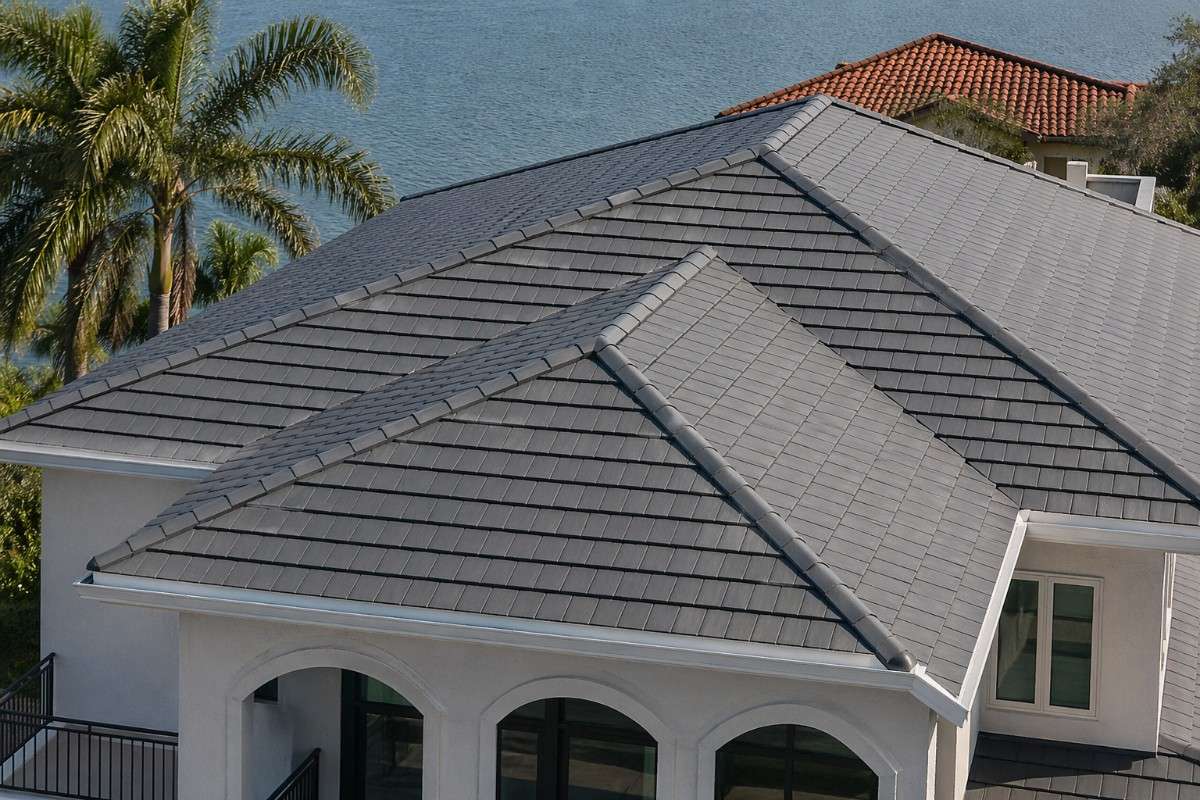
Shingles (asphalt, fiberglass), metal roofing, tile, and slate each have seasonal considerations. Asphalt shingles are temperature-sensitive; metal roofs can be installed year-round but may present thermal-expansion concerns; tile and slate are heavier and require structural review regardless of season.
Manufacturer guidelines and warranties
Follow manufacturer installation instructions to maintain warranty coverage. Some warranties contain temperature or installation-window stipulations. Consult product data sheets and ensure installers are certified for the selected material.
Permits, inspections, and local codes
Local building departments often require permits and inspections for roof replacement. Permit requirements, inspection timing, and code references vary by jurisdiction; check with the municipal building office before scheduling. The International Code Council (ICC) publishes model building codes commonly adopted by local authorities.
Hiring a contractor and cost considerations
Finding and vetting contractors
Request multiple written estimates, check licensing and insurance, and verify references. Confirm that the contractor follows safety regulations and provides a clear scope of work, timeline, and cleanup plan. The National Roofing Contractors Association provides industry resources and standards for selecting qualified professionals: National Roofing Contractors Association.
Seasonal pricing trends
Labor availability and demand can affect pricing. Peak roofing season often brings higher costs due to demand; off-peak scheduling may lead to lower bids but could extend the project timeline. Factor in potential weather delays and contingency for unexpected repairs found during tear-off.
Preparing the property and safety tips
Pre-construction checklist
- Clear gutters and trim nearby trees to allow safe access.
- Protect landscaping, vehicles, and outdoor items from falling debris.
- Inform neighbors about the project timeline and possible noise.
Safety and regulatory considerations
Professional crews should follow Occupational Safety and Health Administration (OSHA) guidelines for fall protection and safe work practices. Homeowner responsibilities include securing pets and keeping a clear perimeter to reduce risk.
Insurance, damage assessment, and unexpected issues
Document existing roof conditions with photos before work begins. If the replacement is related to storm damage, contact the insurance provider to understand coverage and permitted contractors. Structural problems discovered during tear-off—such as rotten decking or compromised flashing—can add cost and require prompt attention to maintain weather protection.
Post-installation: inspections and maintenance
After completion, obtain final inspection reports and copies of warranties and receipts. Schedule periodic maintenance, such as gutter cleaning and roof inspections every few years, to extend service life. Proper attic ventilation and insulation help prevent ice dams and premature material degradation.
Frequently asked questions
When is the best time for seasonal roof replacement?
Spring and fall usually offer the best balance of moderate temperatures and lower storm risk, making them preferred seasons for most roof replacements.
How does seasonal roof replacement affect cost?
Season affects contractor demand, material handling, and potential weather delays. Peak season can increase labor costs and lead times; off-peak scheduling may reduce price but increase the risk of weather interruptions depending on the region.
Can roof replacement be done in winter?
Some roofing work is feasible in winter when temperatures permit and crews use appropriate techniques, but cold weather can complicate installation of certain materials and affect adhesives. Project scope, material choice, and local climate should guide the decision.
What permits are required for roof replacement?
Permit requirements vary by locality. Typical requirements include a building permit and inspections at stages such as tear-off and final installation. Contact the local building department for specific rules and required documentation.
How to choose a contractor for seasonal roof replacement?
Obtain several written estimates, verify licenses and insurance, check references, and confirm familiarity with the selected roofing material. Ensure the contract details scope, timeline, cleanup, and warranty coverage.
Will the warranty be affected by the season of installation?
Warranties may have installation conditions tied to temperature or approved methods. Verify manufacturer and contractor compliance with installation instructions to avoid voiding warranties.