DIY vs Hiring a Contractor: What’s the Smarter Choice?
-

- Published Updated
- 9,468 views
DIY projects have exploded in popularity. Scroll through social media and you’ll see stunning before-and-after transformations that make everything look simple, affordable, and fast.
But here’s the reality most people don’t talk about: what looks easy online can quickly turn into a stressful, expensive situation in real life.
So when it comes to remodeling or home improvement, what’s the smarter choice—doing it yourself or hiring a contractor?
Let’s break it down properly so you can make a decision based on facts, not hype.
Why DIY Feels Like the Obvious Choice
At first glance, DIY seems like a no-brainer.
You’re cutting out labor costs, which can make up a huge portion of any remodeling budget. Plus, you get full control over how everything looks and when the work gets done.
DIY works well when:
- The project is small and straightforward
- You already have some experience
- Mistakes won’t cause serious damage
Examples include painting walls, installing shelves, replacing cabinet hardware, or minor decor upgrades. These projects are low-risk and manageable, even for beginners.
There’s also a personal satisfaction factor. Completing a project yourself can feel rewarding, especially when the results turn out well.
The Hidden Downsides of DIY
Here’s where things start to get complicated.
DIY projects often come with challenges that aren’t obvious at the beginning.
1. Time Can Spiral Out of Control
What seems like a weekend project can easily stretch into weeks.
Between learning new skills, fixing mistakes, and balancing your daily responsibilities, progress slows down. This becomes especially frustrating if the space you’re working on—like a bathroom or kitchen—is essential for daily use.
Time isn’t just an inconvenience—it’s a cost.
2. Mistakes Can Be Expensive
Even small errors can lead to big problems.
For example:
- Incorrect tile installation can cause uneven surfaces or cracks
- Poor sealing can lead to water leaks
- Wrong measurements can waste expensive materials
Fixing these mistakes often requires professional help anyway, which means you end up paying more than you would have initially.
3. Tools and Equipment Add Up
DIY isn’t just about buying materials.
You may need specialized tools like:
- Tile cutters
- Power drills
- Measuring and leveling equipment
- Safety gear
If you’re only using these tools once, the cost doesn’t make much sense. Renting can help, but it still adds to your overall expenses.
4. Quality Isn’t Guaranteed
Let’s be honest—unless you have experience, your results may not match professional standards.
Uneven finishes, visible seams, or improper installations can affect both the appearance and functionality of your space.
This becomes a bigger issue if you plan to sell your home in the future. Buyers notice poor workmanship.
When Hiring a Contractor Is the Smarter Move
Hiring a contractor might seem expensive upfront, but it often saves money, time, and stress in the long run.
You should consider a contractor when:
- Plumbing or electrical work is involved
- Structural changes are required
- Waterproofing is critical
- The project requires permits or code compliance
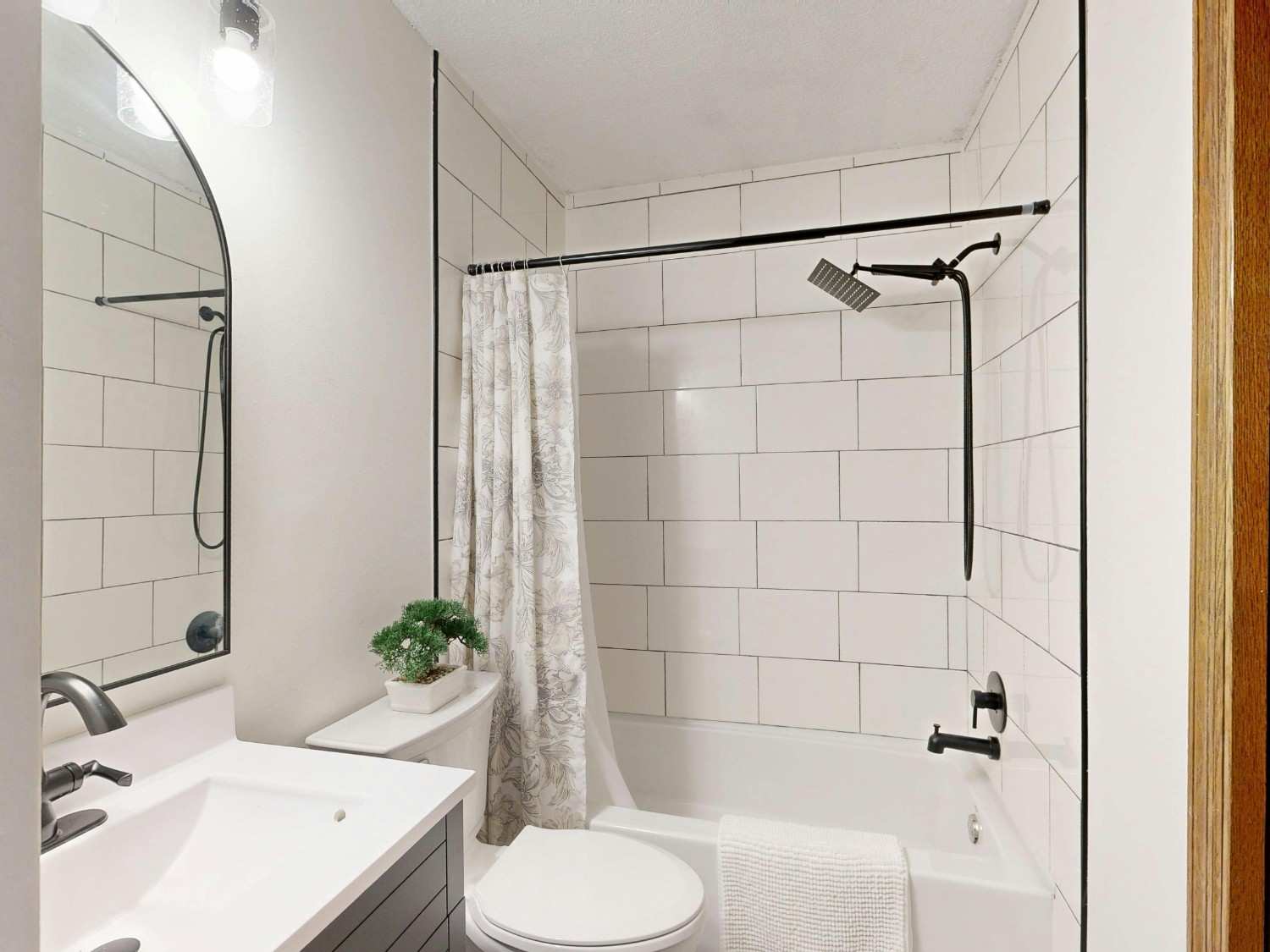
For example, in projects like bathroom remodeling san diego, proper installation is crucial. A minor mistake in waterproofing or drainage can lead to mold, leaks, and long-term damage that’s expensive to fix.
What You’re Actually Paying for With a Contractor
Many people think contractors just charge for labor. That’s not accurate.
You’re paying for:
- Experience gained from multiple projects
- Efficient workflows that save time
- Access to the right tools and materials
- Knowledge of building codes and regulations
Contractors also know how to anticipate problems and solve them before they escalate. That kind of foresight is hard to replicate with DIY.
Cost Comparison: DIY vs Hiring a Contractor
Let’s break this down realistically.
| Factor | DIY | Contractor |
|---|---|---|
| Upfront Cost | Lower | Higher |
| Total Cost | Can increase due to errors | More predictable |
| Time Investment | High | Low |
| Risk Level | High | Low |
| Quality | Skill-dependent | Professional |
DIY only stays cheaper if everything goes smoothly—and that’s rarely the case for complex projects.
The Hybrid Approach: Best of Both Worlds
Here’s what most smart homeowners do—they combine both approaches.
DIY what you can handle:
- Painting
- Basic installations
- Decorative elements
Hire professionals for:
- Plumbing
- Electrical work
- Tiling and waterproofing
- Structural changes
This approach allows you to save money while ensuring that critical parts of the project are handled correctly.
Why Choosing the Right Contractor Matters
Not all contractors deliver the same results.
Hiring the wrong one can lead to delays, poor workmanship, and unexpected costs. That’s why it’s important to work with experienced professionals who have a proven track record.
Mel Developement Inc is known for delivering high-quality remodeling services with a focus on precision, durability, and efficient execution. Whether you’re planning a small upgrade or a full renovation, working with the right team ensures the job is done correctly from start to finish.
📞 Phone: (858) 555-0178
Key Questions to Ask Before Deciding
Before choosing between DIY and hiring a contractor, take a step back and evaluate your situation.
Ask yourself:
- Do I have the necessary skills for this project?
- What’s the worst-case scenario if I make a mistake?
- How much time can I realistically dedicate?
- Will this impact my home’s safety or value?
Answering these questions honestly will help you make a smarter decision.
Long-Term Value Matters More Than Short-Term Savings
One of the biggest mistakes homeowners make is focusing only on upfront costs.
A poorly executed DIY project can:
- Lower your home’s value
- Lead to costly repairs
- Create ongoing maintenance issues
On the other hand, a professionally completed project:
- Adds long-term value
- Improves functionality
- Provides peace of mind
When you look at the bigger picture, hiring a contractor often delivers better returns.
Final Verdict
DIY is a great option for small, low-risk projects where mistakes are manageable and don’t have long-term consequences.
But for anything complex, technical, or permanent, hiring a contractor is usually the smarter and safer choice.
Trying to save money is understandable—but cutting corners on important projects can end up costing you more in the long run.
The smartest choice isn’t always the cheapest one. It’s the one that delivers the best results without unnecessary risk.