Microcement Flooring: Pros, Cons, Costs & What Nobody Tells You
-

- May 17th, 2026
- 5,433 views

FREE SEO Topical Map Generator: Find Your Next Content Ideas
There’s a reason microcement flooring suddenly seems to be everywhere.
You spot it in architect-designed kitchens, boutique hotels, minimalist cafés, and increasingly, ordinary family homes that just want something cleaner-looking than endless grout lines and wood-effect laminate.
And to be fair, when microcement is done properly, it looks exceptional.
The problem is… most articles stop there.
They show beautiful photos, throw around phrases like “seamless luxury finish”, then quietly skip over the bits homeowners actually care about — cracking risks, installation mistakes, maintenance reality, and whether it still looks good after a few years of actual life happening on top of it.
So here’s the honest version.
What Is Microcement Flooring?
Microcement flooring is a thin decorative coating made from cement, polymers, pigments and resins. It’s applied by hand in multiple layers over an existing surface.
That last part matters more than people realise.
Unlike traditional concrete floors, microcement doesn’t usually require ripping everything out first. Installers can apply it over tiles, screed, concrete, plasterboard and sometimes even wood substrates if prepared correctly.
That’s one of the reasons renovations lean towards it. Less demolition. Less mess. Less disruption.
Visually, it creates a continuous surface with no grout lines or visible joins. Soft texture. Slight movement in tone. Almost cloud-like in certain light.
Not perfectly uniform either — and that’s partly the appeal.
A good microcement floor has character. A bad one just looks patchy.
There’s a difference.
Why Homeowners Are Choosing It
Minimalist interiors obviously helped push the trend along, but aesthetics aren’t the only reason.
People are tired of flooring choices that date quickly.
Glossy grey tiles had a moment. So did distressed oak laminate. Many now look very 2016.
Microcement feels more architectural. More timeless, arguably. It sits somewhere between industrial and warm contemporary depending on the colour and finish.
It also works brilliantly in open-plan spaces because the uninterrupted surface makes rooms feel larger. You notice this especially in smaller London terraces or compact new-build extensions where visual clutter makes a room feel busy fast.
And underfloor heating? Microcement pairs very well with it.
That combination alone sells a lot of installations.
The Biggest Advantages of Microcement Flooring
Seamless Finish
This is the obvious one.
No grout lines means fewer visual interruptions and less dirt build-up. Kitchens and bathrooms especially benefit from that.
Cleaning becomes simpler too. A quick mop generally does the job.
Though honestly, households with kids or dogs will still spend half their lives cleaning floors regardless of material. That part never changes.
Works Over Existing Floors
Removing old tiles is miserable work. Loud, dusty, expensive.
Microcement often avoids that entirely.
A skilled installer can prepare the existing substrate and apply directly over it, saving time and sometimes reducing labour costs overall — although the material itself isn’t cheap.
Water Resistance
When sealed correctly, microcement performs well in bathrooms, wet rooms and kitchens.
You’ll see it used on floors, walls, shower enclosures, even sinks.
That said, the sealing stage is absolutely critical. Most horror stories around staining or moisture issues usually trace back to poor installation rather than the material itself.
The Downsides Nobody Mentions Early Enough
Here’s where the conversation gets more realistic.
Installation Is Everything
Microcement is not forgiving.
It’s closer to artisan surface finishing than standard flooring installation.
An experienced installer matters far more than with standard tiling or laminate flooring. Surface preparation, curing times, humidity conditions, sealing — every stage affects the final result.
You can buy excellent materials and still end up with a disappointing floor if the application is rushed.
And unfortunately, demand has created a wave of installers offering microcement without years of specialist experience behind them.
That’s risky.
If somebody quotes dramatically cheaper than everyone else, there’s usually a reason.
It Can Crack
This is the question nearly everyone asks quietly after seeing inspiration photos online.
Yes, microcement can crack.
Usually not because the material itself failed, but because movement underneath wasn’t addressed properly. Subfloor instability is the common culprit.
Hairline cracks aren’t guaranteed by any means, but they’re possible — especially in older properties with movement.
Good installers minimise this risk substantially through reinforcement systems and proper preparation.
Still, anyone promising “zero chance of cracking” is overselling it.
It’s Not Cheap
Microcement flooring sits firmly in the premium category.
In the UK, costs often range between roughly £100–£180 per square metre depending on:
- preparation work,
- floor condition,
- complexity,
- colour choice,
- and location.
London prices can climb higher.
It’s labour-intensive work done almost entirely by hand. That’s what you’re paying for.
People sometimes compare it to polished concrete expecting similar pricing, but they’re very different installation processes.
How Much Microcement Flooring Costs
A small bathroom may cost significantly more per square metre than a large open-plan area because setup and labour remain similar regardless of room size.
Typical UK pricing tends to look something like this:
| Area | Approximate Cost |
|---|---|
| Small bathroom | £1,500–£3,000 |
| Kitchen floor | £3,000–£6,000 |
| Large open-plan space | £6,000+ |
Those figures vary quite a bit depending on preparation needs.
And preparation is where surprises happen.
Uneven subfloors, moisture issues or failed existing tiles can all add extra cost quickly.
Where It Works Best in a Home
Microcement flooring genuinely shines in:
Kitchens
Especially open-plan kitchens where continuity matters visually.
It creates that calm, high-end architectural look many people want now without the busy appearance of patterned flooring.
Bathrooms & Wet Rooms
Few materials create a cleaner wet room finish.
No grout lines. No visual breaks. Just smooth continuity from floor into shower areas.
Done properly, it feels expensive in the best possible way.
Extensions
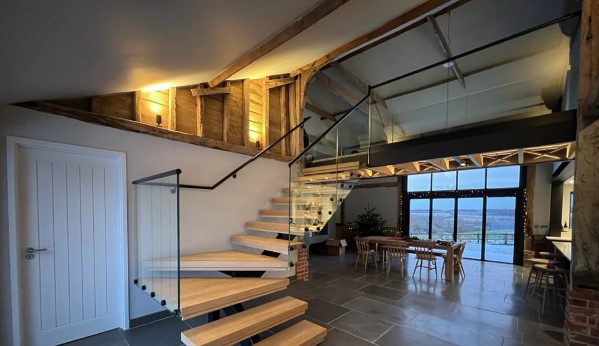
Rear extensions with large sliding doors and underfloor heating are almost built for microcement.
Natural light picks up subtle texture changes beautifully throughout the day.
It’s one of those finishes that often looks better in person than in photographs.
Maintenance and Long-Term Durability
This part surprises people.
Microcement isn’t high-maintenance exactly, but it’s also not indestructible.
You still need:
- pH-neutral cleaners,
- occasional resealing depending on wear,
- and basic care around heavy impacts.
Dragging metal furniture across it carelessly is asking for trouble.
That said, properly installed microcement flooring can last many years without major issues.
Commercial spaces use it for a reason.
One thing owners often appreciate later is how well it ages visually. Minor wear tends to blend into the surface character rather than standing out aggressively like chipped tiles or damaged laminate boards.
Microcement Flooring vs Tiles and Polished Concrete
Compared With Tiles
Microcement feels softer and more contemporary visually.
Tiles offer:
- more pattern options,
- easier spot repairs,
- and generally lower upfront cost.
But grout maintenance puts many people off over time.
Especially in kitchens.
Compared With Polished Concrete
People confuse these constantly.
Polished concrete is thicker, structural and usually installed during construction phases. Microcement is a decorative coating applied over existing surfaces.
Microcement offers more flexibility in renovations.
Polished concrete tends to feel more industrial and can involve significantly more groundwork.
Is Microcement Flooring Right for You?
Honestly, it depends on your priorities.
If you want:
- perfectly uniform factory-style flooring,
- the cheapest possible option,
- or a DIY-friendly project,
microcement probably isn’t the right fit.
But if you value:
- seamless design,
- modern architectural aesthetics,
- underfloor heating compatibility,
- and a finish that feels bespoke rather than mass-produced,
it makes a strong case for itself.
The key is treating installation as craftsmanship rather than just another flooring job.
That distinction matters more than the brochures suggest.
Final Thoughts on Microcement Flooring
Microcement flooring isn’t just a passing Instagram trend anymore. It’s become a serious option in modern renovations, particularly for homeowners wanting cleaner lines and fewer visual interruptions across a space.
But the reality is slightly less perfect than social media makes it look.
The finish can be stunning. Quietly luxurious even.
Yet success depends heavily on installer quality, preparation work and realistic expectations about natural variation and long-term wear.
Done well, microcement flooring ages with character.
Done badly, it becomes an expensive frustration people end up covering a few years later.
And honestly, that’s probably the most useful thing to know before committing to it.
8. FAQ Section
Does microcement flooring crack easily?
Not usually when installed properly, but cracking can happen if the substrate underneath moves or preparation work is poor. Experienced installation dramatically reduces the risk.
Is microcement flooring waterproof?
Microcement itself is water-resistant, but the protective sealer is what creates proper waterproofing. Correct sealing is essential in bathrooms and wet rooms.
How long does microcement flooring last?
A professionally installed microcement floor can last well over 10 years with proper maintenance and occasional resealing.
Is microcement flooring expensive?
Yes, compared with laminate or standard tiling. In the UK, pricing often ranges between £100–£180 per square metre depending on the project complexity.
Can microcement flooring go over tiles?
Yes. One of its biggest advantages is that it can often be applied directly over existing tiles, reducing demolition work.
Does microcement work with underfloor heating?
Very well, actually. Its thin application allows heat to transfer efficiently, making it a popular choice for modern extensions and open-plan spaces.