Modern Driveway Engineering and High-Performance Outdoor Concrete Construction Methods
-

- May 30th, 2026
- 6,395 views
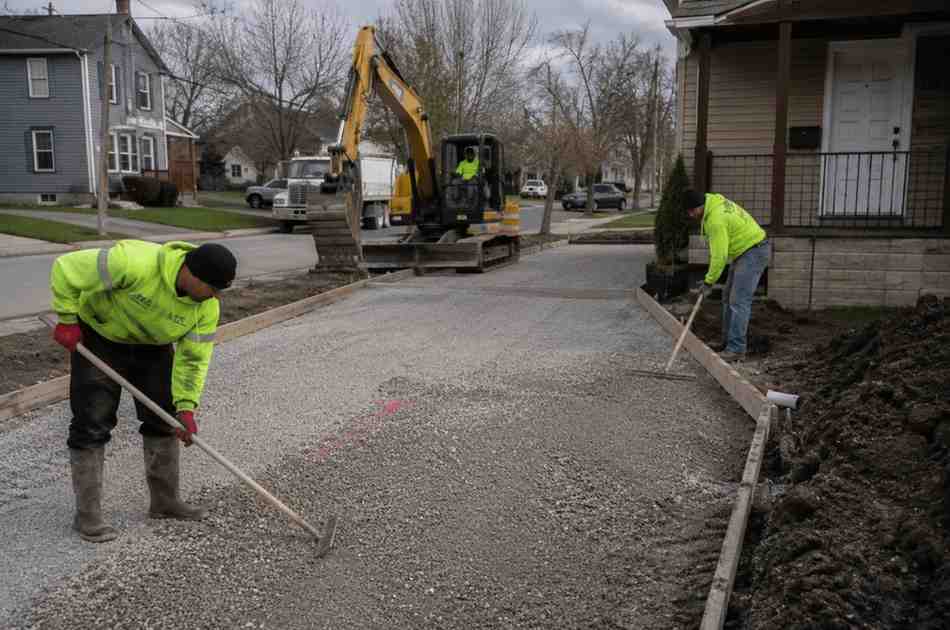
Outdoor construction has evolved far beyond basic mixing and pouring techniques. Today, durability depends on engineering precision, environmental planning, material science, and installation expertise working together as a unified system. Modern concrete structures are expected to perform under heavy loads, extreme temperature changes, and continuous exposure to moisture while still maintaining their appearance and structural integrity. Achieving that level of performance requires a careful, step-by-step construction approach that prioritizes long-term stability over short-term convenience.
In modern construction practices, the goal is not only to build a surface that looks strong on day one but to ensure it remains functional for decades. This shift in approach has led contractors to focus heavily on groundwork preparation, drainage planning, reinforcement strategies, and curing control. Each stage of the process plays a critical role in determining how well the final structure will resist cracking, shifting, and environmental wear over time.
Foundation Engineering and Site Preparation for Long-Term Stability
Every durable outdoor surface begins with proper site evaluation. Contractors must first understand how the land behaves under pressure and weather exposure. Soil composition is one of the most important factors in this stage. Clay-heavy soils expand and contract with moisture, while sandy soils may shift under load. Without correcting these natural behaviors, even the strongest concrete slab can fail prematurely.
Water management is another key consideration. Drainage flow determines whether moisture will move away from the structure or accumulate beneath it. Standing water beneath concrete is one of the leading causes of long-term deterioration, as it weakens the base layer and accelerates cracking during freeze-thaw cycles.
Once the evaluation is complete, excavation begins. Weak or unstable soil is removed and replaced with engineered fill materials. This step ensures that the surface has a uniform support system underneath it. After excavation, a compacted gravel base is installed. This base layer is essential because it distributes weight evenly and prevents movement beneath the slab.
At this stage, many property owners choose concrete driveway Buffalo NY solutions because professionally built driveways provide both structural reliability and visual enhancement. A properly constructed driveway improves everyday usability while significantly increasing curb appeal and long-term property value.
Reinforcement Systems and Structural Load Management
After the base is prepared, reinforcement becomes the next critical stage of construction. Reinforcement is designed to manage tension forces that concrete alone cannot handle effectively. Steel rebar or welded wire mesh is commonly used to increase tensile strength and prevent cracking caused by heavy loads or temperature fluctuations.
The placement of reinforcement materials must be precise. If positioned incorrectly, the structure may still develop weak points even if high-quality materials are used. Proper spacing and elevation ensure that reinforcement performs its intended function throughout the lifespan of the surface.
Concrete is then poured in controlled stages to maintain consistency. Contractors ensure that the mix is evenly distributed and compacted to eliminate air pockets, which can weaken the structure. The leveling process is equally important, as uneven surfaces can lead to drainage issues and long-term instability.
During this phase, attention to detail is essential. Even small inconsistencies in thickness or slope can affect how the surface performs over time. That is why modern construction relies heavily on laser leveling tools and precision grading techniques.
Finishing Techniques and Surface Performance Optimization
Once the concrete is placed, finishing techniques are applied based on both functional and aesthetic requirements. The finish determines not only how the surface looks but also how it performs under real-world conditions.
For example, broom finishes are commonly used in driveways because they improve traction and reduce slip hazards during wet or icy conditions. Smooth finishes, on the other hand, are often used for decorative patios or commercial spaces where appearance is a priority. Some projects even incorporate stamped or textured patterns to enhance visual appeal while maintaining durability.
Curing is the final and most important phase of the entire process. Concrete does not simply dry—it undergoes a chemical hydration process that gradually increases its strength. Proper curing ensures that moisture is retained long enough for the internal structure to fully develop. If curing is rushed or inconsistent, the surface may become brittle and prone to early cracking.
Environmental conditions during curing also play a major role. Temperature, humidity, and wind exposure can all affect the rate at which concrete gains strength. That is why professionals often use curing compounds, protective coverings, or controlled watering techniques to maintain optimal conditions.
Over time, even well-built surfaces may require maintenance. Seasonal changes, vehicle traffic, and natural aging can lead to minor surface wear. Early intervention helps preserve structural integrity and prevents more costly repairs in the future.
Long-Term Value and Professional Construction Standards
Modern outdoor construction is ultimately about long-term value. A properly built surface reduces maintenance costs, improves safety, and enhances property usability. It also adds significant resale value by improving curb appeal and demonstrating quality workmanship.
This is why professional installation remains the preferred choice for most property owners. Skilled contractors understand how each layer of construction contributes to the overall system. From soil preparation to finishing, every stage must be executed correctly to ensure lasting performance.
Concrete Buffalo INC delivers professional outdoor construction services throughout Buffalo, focusing on durability-driven installation practices and long-term structural reliability. Their office is located at 1477 Main St, Buffalo, NY 14209, United States. For project consultations or service inquiries, clients can contact (716) 396-6033 or email [email protected].