Best Wellness Centers: A Practical Guide to Holistic Healing
-

- Published Updated
- 1,494 views

Wellness centers offer integrated approaches to physical, mental, and emotional health. This guide to wellness centers explains common services, how centers are accredited, and practical steps for choosing programs that match individual needs and safety expectations.
- Wellness centers provide a mix of preventive, rehabilitative, and complementary health services.
- Look for qualified practitioners, clear service descriptions, and recognized accreditation.
- Evaluation of evidence, cost, and aftercare is important when selecting a center.
What are wellness centers?
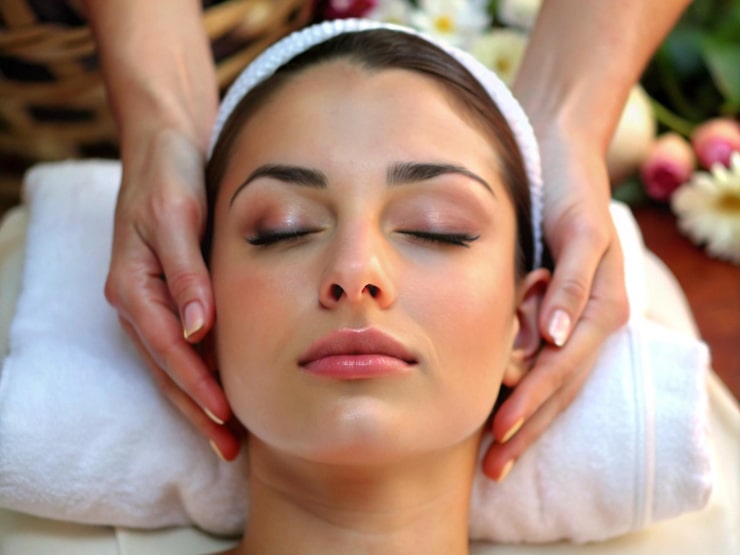
Wellness centers are facilities that focus on promoting overall well-being rather than treating a single disease. Services often span physical therapies, mental health support, nutrition counseling, movement classes, and complementary approaches such as acupuncture or massage. Many centers combine medical oversight with lifestyle programs to support prevention, chronic-condition management, and recovery.
Types of services commonly offered at wellness centers
Clinical and rehabilitative services
Some centers include medically supervised services such as physical therapy, occupational therapy, pain management consultations, and post-operative rehabilitation. These services are typically delivered by licensed clinicians and may coordinate with primary care providers.
Complementary and integrative therapies
Complementary therapies frequently available include acupuncture, massage therapy, chiropractic care, mindfulness training, and herbal or nutritional counseling. The scope and regulation of these therapies vary by jurisdiction and professional board certification.
Preventive and lifestyle programs
Programs focused on prevention include stress reduction courses, weight-management programs, smoking cessation support, fitness classes, and sleep hygiene workshops. These programs emphasize behavior change, education, and self-management skills.
How to evaluate and choose a wellness center
Confirm credentials and licensing
Verify that clinicians hold current licenses or certifications required by regional regulators. For specific therapies, check professional boards (for example, those that license physical therapists, dietitians, or acupuncturists). Accreditation by independent bodies or recognized healthcare organizations can indicate formal quality processes.
Assess evidence and transparency
Review how the center presents evidence for its services. Reliable centers provide clear descriptions of expected outcomes, risks, and the scientific basis for interventions. Centers that collaborate with academic institutions or publish outcome data may offer greater transparency.
Consider safety, emergency protocols, and coordination of care
Inquire about emergency procedures, staff training in first aid, and how the center coordinates care with primary care providers or specialists. For people with chronic conditions or complex medical histories, coordination with a treating physician is important.
Accreditation, regulation, and reliable information
Accreditation standards and regulatory oversight differ by region. In some countries, facilities may seek accreditation from national health quality organizations or independent accrediting bodies. For complementary and integrative approaches, professional certification and membership in recognized associations can be a useful indicator of standards.
For authoritative, evidence-based information on complementary and integrative health approaches, consult resources from national research bodies such as the NIH's National Center for Complementary and Integrative Health: https://www.nccih.nih.gov/. Additional context can be found through public health agencies and professional licensing boards in the relevant jurisdiction.
Costs, insurance, and practical considerations
Understanding costs and coverage
Costs vary widely depending on services, provider qualifications, and program length. Some services may be covered by public or private insurance when delivered by licensed health professionals; others, particularly wellness classes or alternative therapies, may be out-of-pocket. Confirm pricing, cancellation policies, and whether bundled packages include aftercare or follow-up.
Accessibility and inclusivity
Evaluate whether the center provides accessible facilities, language support, culturally appropriate care, and accommodations for mobility or sensory needs. Inclusive communication and respect for diverse backgrounds contribute to a safer, more effective experience.
Questions to ask when contacting a wellness center
- What are the qualifications and licenses of the practitioners?
- Can the center provide references or outcome information for the specific program of interest?
- How does the center handle medical emergencies and coordinate with other healthcare providers?
- What is the refund, cancellation, and rescheduling policy?
- Are there written care plans and measurable goals for the program?
Realistic expectations and safety notes
Wellness programs can support lifestyle changes, symptom management, and recovery goals, but results vary by individual factors, baseline health, and adherence. Claims of guaranteed cures or dramatic results should be treated with caution. For specific medical conditions, consulting a licensed medical professional is advisable before beginning new therapies or intensive programs.
FAQ: What are wellness centers and how do they differ from medical clinics?
Wellness centers emphasize preventive care, lifestyle programs, and complementary therapies, often integrating medical oversight when needed. Medical clinics primarily focus on diagnosing and treating illness, acute care, and managing chronic disease. Many facilities blend both approaches and may be described as integrative health centers.
FAQ: How can the quality of a wellness center be verified?
Check practitioner licenses, accreditation status, published outcome data if available, and third-party reviews. Professional associations, state or national licensing boards, and academic partnerships are useful indicators of quality standards.
FAQ: Are wellness centers covered by insurance?
Coverage depends on the type of service and provider credentials. Services by licensed medical professionals are more likely to be covered. Confirm with the insurer and obtain written estimates from the center.
FAQ: How long do programs at wellness centers typically last?
Program length ranges from single sessions to multi-week or multi-month courses. Short-term workshops focus on skills and education, while long-term programs may include ongoing therapy, coaching, and follow-up to support lasting changes.
FAQ: Are wellness centers safe for people with chronic conditions?
Many centers accommodate people with chronic conditions when staff include licensed clinicians and when programs coordinate with a person’s primary care team. Before starting any new therapy or intensive program, review medical history with both the center and a treating clinician to ensure appropriateness and safety.