Small-Space Solutions: 5 Benefits of Spiral Stairs for Bronx Homes
-

- March 07th, 2026
- 159 views

Get a free topical map and start building content authority today.
Installing spiral stairs Bronx homeowners often face can be a practical way to reclaim floor area, improve circulation between levels, and add architectural character. This guide explains the top benefits, code considerations, installation checklist, and real-world tips for choosing a compact staircase solution that fits a Bronx home.
5 Benefits of Installing spiral stairs Bronx Homes
1. Space savings in narrow lots and small apartments
Spiral stairs reduce the footprint compared with straight runs or switchback stairs because they fit within a compact circular footprint (often 4–6 ft diameter). For a Bronx rowhouse, a spiral can reclaim hallway or living-room space that would otherwise be dedicated to a longer staircase, making it an ideal compact staircase solution for small homes and tight layouts.
2. Lower material and labor costs for some projects
Prefabricated spiral kits often arrive with treads, center column, and balustrade elements that simplify installation. In straightforward conversions—such as linking a first-floor studio to a mezzanine—these systems can reduce on-site labor time. However, labor savings depend on structural modifications and local code requirements.
3. Design flexibility and aesthetic impact
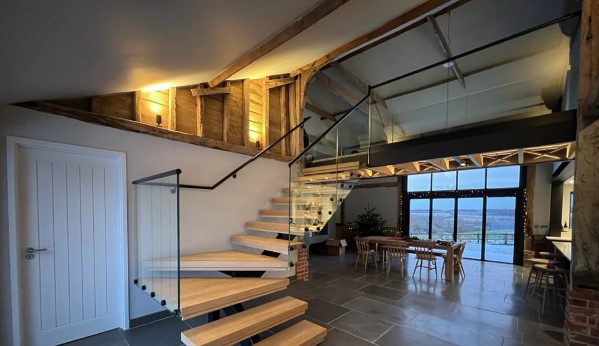
Spiral stairs are available in steel, wood, concrete, and mixed-material systems. The helical form, open risers, and balustrade choices create a visual feature without bulky bulk, improving perceived spaciousness. This makes spiral options attractive when a design statement is also a priority.
4. Improved access to secondary levels and outdoor spaces
For attic conversions, roof decks, or basements where a full staircase would be impractical, spiral stairs provide safe, direct access. They can be placed at the edge of a floor plan or near a vestibule to serve a specific function—like connecting a kitchen to a rooftop terrace—without reconfiguring primary circulation paths.
5. Potential to increase functional living area
By reclaiming the square footage normally used by a straight or switchback stair, spiral stairs can enable an extra seating nook, storage, or a compact workstation. For homes where every square foot matters, the space-saving stairs for small homes translate directly into usable living area.
Design, code & placement considerations
Compliance with local building codes and safe ergonomics are essential. The New York City Department of Buildings publishes guidance on stair requirements for residential structures; consult the agency for permit and safety criteria: New York City Department of Buildings. Key factors to check:
- Minimum tread width and rise limits (comfort and safety).
- Handrail height and balustrade spacing to prevent falls.
- Clearances for door swings and landing sizes at entry points.
- Structural support and load-bearing requirements for attaching to existing floors.
STAIR Checklist: A practical evaluation framework
Use the STAIR Checklist to assess feasibility before purchasing or permitting:
- S—Space measure: Measure floor-to-floor height, available diameter, and adjacent clearances.
- T—Type & materials: Choose between metal prefabricated kits, timber, or custom helical options.
- A—Access & code: Verify handrail, guard, and egress requirements per NYC building codes.
- I—Installation logistics: Identify where the kit will be delivered, crane or lift needs, and on-site access restrictions.
- R—Routine maintenance: Plan for finishes, corrosion protection, and cleaning access.
Real-world scenario: A Bronx rowhouse attic conversion
Scenario: A two-story Bronx rowhouse converts an unfinished attic into a child's bedroom with a small landing to the second floor. A 5-foot diameter steel spiral stair is placed in an existing closet footprint. Outcome: The spiral saves roughly 12–18 sq ft compared with a straight stair run, preserves living-room layout, and provides compliant egress with an approved handrail and balustrade. Work included a permit, reinforcement of the second-floor framing, and professional installation.
Practical tips for planning and installation
- Measure twice—record floor-to-floor height and potential clearances at multiple points; a few inches can change the recommended diameter.
- Prioritize tread width on the side where traffic is highest; asymmetric treads with wider outer edges improve comfort.
- Confirm permits early—submit dimensioned drawings and product specs with the permit application to avoid delays.
- Choose finishes that match maintenance needs—powder-coated steel for exterior access, sealed wood for interior warmth.
- Engage a licensed contractor for structural attachments and inspections to ensure load paths and guardrail strength meet standards.
Trade-offs and common mistakes
Trade-offs:
- Comfort vs. footprint: Smaller-diameter spirals save space but have steeper, narrower treads that reduce comfort and speed of movement.
- Aesthetics vs. privacy: Open risers and open balustrades make the home feel larger but reduce privacy and sound isolation between floors.
- Cost vs. customization: Prefab kits are economical but limit bespoke details; custom helical stairs cost more but fit unusual geometries and finishes.
Common mistakes to avoid:
- Underestimating landing clearances that interfere with doors or windows.
- Choosing a diameter that meets minimum code but is impractical for daily use, especially when moving furniture.
- Skipping professional structural review—improper anchorage can cause squeaks, movement, or structural issues.
Core cluster questions
- How much space does a spiral staircase actually save compared to a straight staircase?
- What are the typical costs to install a prefabricated spiral stair in a small urban home?
- Which materials offer the best balance of durability and maintenance for indoor spiral stairs?
- How do local building codes affect the allowable diameter and tread width for spiral stairs?
- What are safe alternatives to spiral stairs when accessibility is a priority?
When to choose a different solution
Spiral stairs are not the right choice when frequent furniture moves, full accessibility (universal design) or elderly users are primary concerns. For universal access, consider a compact straight run with a landing, or a stair lift and elevator options where feasible.
Next steps
Start by applying the STAIR Checklist, measure the proposed location, and consult the NYC Department of Buildings guidance linked above for permit requirements. Obtain multiple quotes from licensed installers and request references for similar projects in rowhouses and small apartments.
FAQs
Are spiral stairs Bronx installations compliant with NYC building codes?
Many spiral stairs can meet NYC code when designed to meet minimum tread width, rise, handrail, and guard requirements; however, plan reviews and permits are necessary to confirm compliance for each installation.
Will a spiral staircase save enough space for a living-room layout change?
Yes—spiral stairs often reclaim 10–20 square feet compared with a straight run, depending on diameter and layout. Use precise measurements to model the change before committing.
What materials work best for interior spiral stairs in humid climates?
Powder-coated steel and sealed or engineered wood resist moisture-related issues better than untreated wood. Corrosion protection and proper finish are important in humid environments.
Can a spiral staircase be used as a primary staircase in a home?
In some small homes, a spiral stair serves as a primary route between floors if it meets code for egress and is comfortable for regular use. For households requiring universal access, an alternative is recommended.
How to maintain a spiral stair to prevent squeaks and structural issues?
Routine maintenance includes checking fasteners, cleaning debris from treads, reapplying finishes where needed, and inspecting anchor points for movement. Address loose components promptly to prevent accelerated wear.