How Billboard Placement Impacts Brand Recall and Consumer Attention
-

- Published Updated
- 7,195 views
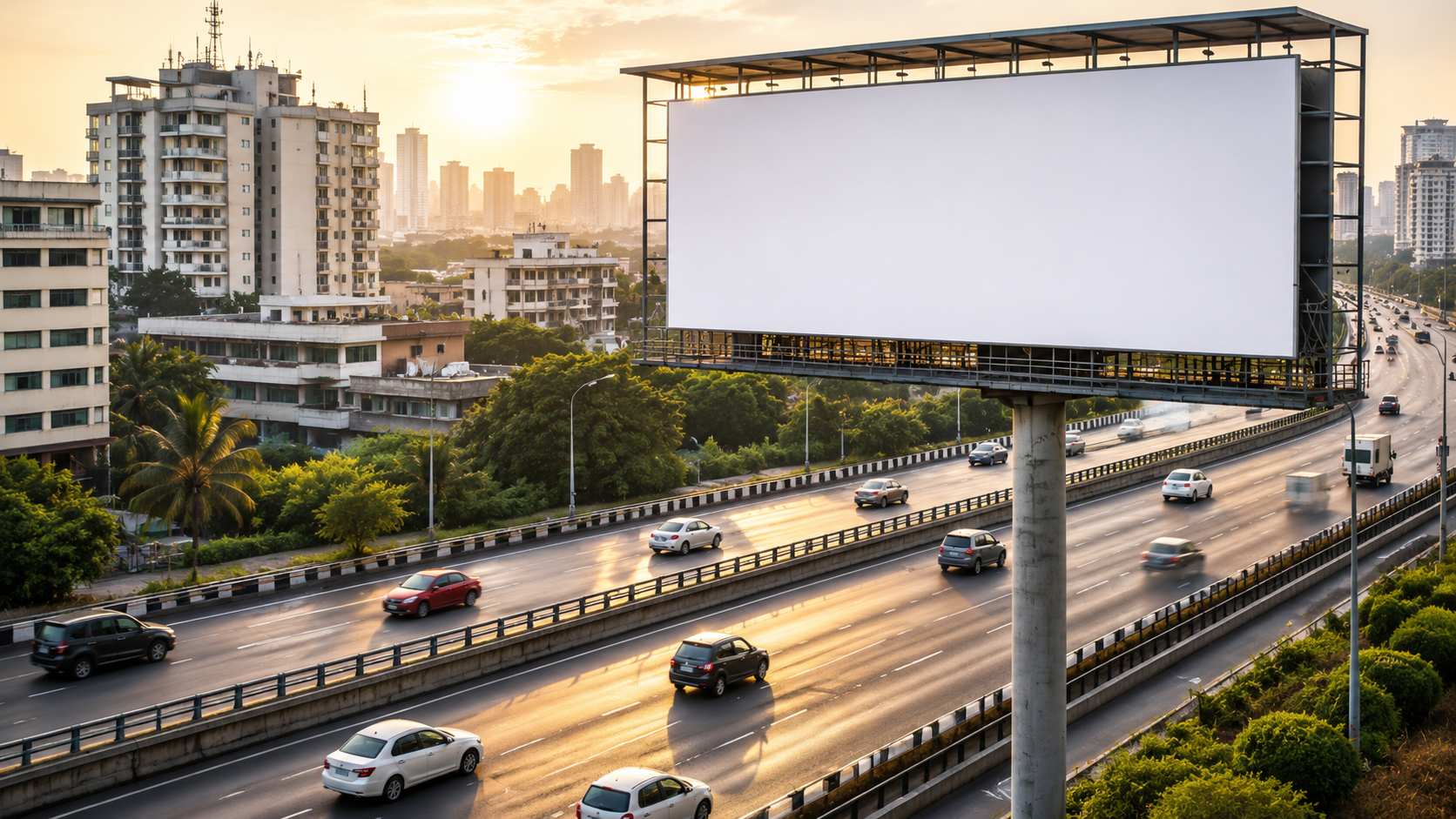
In today’s fast-moving advertising world, brands are constantly competing for consumer attention. With digital ads being skipped, scrolled past, or ignored, outdoor media has regained strong importance in marketing strategies. Among all forms of Out-of-Home (OOH) advertising, billboards remain one of the most powerful tools for building visibility and brand recall.
However, the real success of a billboard does not depend only on its design; it heavily depends on its placement. A strategically placed billboard can significantly improve consumer attention, increase brand recognition, and influence purchase decisions. In contrast, poor placement can reduce even the most creative advertisement’s impact.
What is Billboard Advertising and Why Placement is Crucial
Billboard advertising is one of the oldest and most effective forms of outdoor marketing, where large visual displays are placed in high-traffic public locations such as highways, city centers, intersections, and commercial zones.
The success of billboard advertising depends not just on creative messaging but also on where the billboard is placed. Placement determines how many people see the ad, how long they see it, and how often they are exposed to it. A well-positioned billboard ensures repeated visibility, which directly strengthens brand recall and audience familiarity over time.
How Billboard Placement Influences Consumer Attention
Consumer attention is one of the most valuable assets in advertising. Billboard placement plays a direct role in capturing that attention effectively.
High-traffic locations such as busy highways, traffic signals, metro routes, and shopping districts naturally increase the number of impressions a billboard receives. When people are stuck in traffic or traveling on daily routes, they are more likely to notice and absorb outdoor messages.
Additionally, placement at eye level or within natural sightlines ensures better visibility. Billboards placed at awkward angles or in cluttered environments often lose attention, even if the design is strong.
The Role of Location in Brand Recall
Brand recall is the ability of consumers to remember a brand after exposure. Billboard placement significantly influences this memory-building process.
When consumers repeatedly pass the same billboard during their daily commute, it creates subconscious reinforcement. This repetition strengthens familiarity, which leads to higher recall when a purchase decision arises.
Strategic placement near retail outlets, malls, or competitor zones also increases the chances of influencing last-minute buying decisions. In such cases, billboards act as powerful reminder tools at the point of decision-making.
High-Impact Billboard Placement Strategies
Not all billboard locations deliver the same results. Some placements are far more effective in driving attention and recall than others.
- Highways and expressways: Ideal for mass exposure and long viewing time
- Traffic junctions: Capture attention during waiting time at signals
- Commercial hubs: Target working professionals and shoppers
- Residential routes: Reinforce daily brand exposure for commuters
- Near retail stores: Drive immediate purchase decisions
- Airport and metro corridors: Premium visibility for high-value audiences
These strategic placements ensure that brands reach the right audience at the right time and in the right context.
Psychological Impact of Billboard Placement
Billboards work not only through visibility but also through psychological influence. Repeated exposure to familiar routes creates a sense of trust and recognition. Consumers often remember brands they see regularly in their environment, even if they are not actively paying attention.
Placement in high-focus zones such as intersections or slow-moving traffic areas increases “dwell time,” meaning viewers spend more time looking at the advertisement. This extended exposure improves message absorption and recall.
Billboard Placement vs Design: What Matters More?
While creative design is important, placement often plays a bigger role in effectiveness. A visually strong billboard placed in a low-traffic or hidden area will not generate strong results. On the other hand, even a simple design placed in a high-visibility location can deliver strong brand recall.
The ideal strategy is a balance of both—compelling creative content combined with strategic placement ensures maximum impact. Brands that invest in both aspects typically see better awareness and engagement outcomes.
How Indian Brands Use Billboard Placement Strategically
In India, billboard placement is widely used by FMCG brands, real estate companies, automobile manufacturers, and retail businesses. Cities like Mumbai, Delhi, Bengaluru, and Ahmedabad offer high-density traffic zones that are ideal for outdoor campaigns.
Brands often use location-based targeting to reach specific consumer groups. For example, luxury brands prefer airport highways and premium zones, while retail brands focus on residential and commercial routes. This targeted placement strategy helps maximize return on investment.
Conclusion: The Power of Smart Billboard Placement
Billboard placement is one of the most critical factors influencing brand recall and consumer attention in outdoor advertising. A well-placed billboard ensures consistent visibility, stronger memory retention, and higher engagement with potential customers.
In a world filled with digital distractions, strategically placed billboards continue to deliver unmatched real-world impact. For brands aiming to build strong awareness and long-term recall, smart placement is not just important; it is essential.