High-Impact BIM Services for Modern Commercial Construction
-

- Published Updated
- 5,388 views
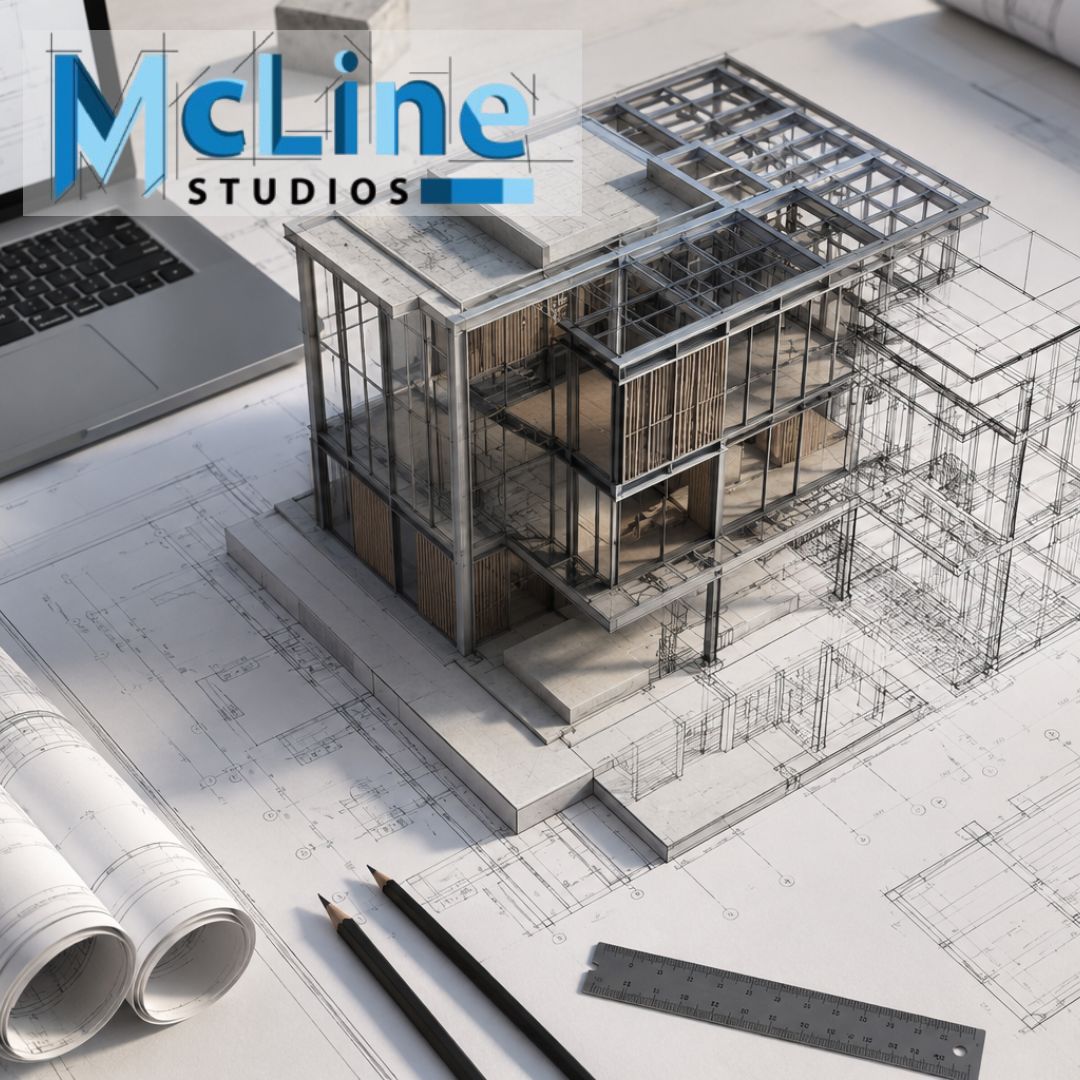
In the highly competitive architecture, engineering, and construction (AEC) sector, operational efficiency and design precision are no longer optional advantages — they are the baseline for project success. As structural designs grow increasingly complex, legacy 2D workflows consistently fail to address the coordination challenges of modern builds, resulting in expensive field errors, rework, and costly project delays. High-fidelity BIM services resolve these inefficiencies by creating a unified digital prototype of the built asset, effectively bridging the gap between design intent and physical construction reality. As structural designs grow increasingly complex, and as project stakeholders demand faster delivery timelines without compromising quality, legacy 2D workflows consistently fail to address the coordination challenges of modern builds. Disconnected drawing sets, manual cross-referencing between disciplines, and a lack of real-time visibility into design changes all contribute to a fragmented process where errors slip through unnoticed until they surface on-site.
The Strategic Value of Scalable BIM Services
Managing localized building codes, evolving compliance standards, and tight project timelines in the American market demands a highly collaborative, data-driven framework. Utilizing specialized BIM services USA ensures that structural requirements, MEP layouts, and sustainability metrics are fully synchronized within a single, cloud-accessible source of truth. This centralized model eliminates the version-control confusion that plagues fragmented 2D drawing sets, giving every stakeholder — from architects to site supervisors — real-time visibility into project changes.
For firms looking to optimize operational overhead while maintaining world-class design standards, partnering with a dedicated BIM outsourcing company offers an agile, scalable solution. This collaborative approach grants instant access to specialized software licenses, trained modeling talent, and global technical expertise without the overhead of building an in-house department. As a result, internal teams are freed to focus on higher-value activities such as client acquisition, creative development, and strategic growth, while routine modeling and documentation work is handled by dedicated specialists operating across time zones for faster turnaround.
Tailored Engineering and Architectural Modeling Workflows
To deliver maximum value, Building Information Modeling must address the distinct operational needs of every stakeholder involved in the building lifecycle. A one-size-fits-all model rarely satisfies the varied deliverables required at each project stage, which is why tailored workflows matter:

BIM services for architects translate conceptual sketches into rich, parametric 3D models that streamline spatial coordination, support iterative design exploration, and accelerate client approvals through immersive visualization.

BIM services for engineers provide structural and MEP systems integration, resolving complex routing conflicts between ductwork, piping, and structural members before physical fabrication ever begins — saving both time and material costs.

BIM services for contractors deliver detailed installation drawings, precise material take-offs, and sequencing schedules that streamline on-site labor allocation, reduce logistical bottlenecks, and keep procurement aligned with construction phasing.
By tailoring deliverables to each discipline, project teams avoid the miscommunication that typically arises when a single generic model is expected to serve architects, engineers, and builders equally well.
Driving Long-Term ROI with Commercial BIM Services
Deploying comprehensive commercial BIM services offers measurable financial and operational advantages that extend well beyond the design phase. By executing automated clash-detection protocols during the pre-construction phase, stakeholders can identify and resolve geometric conflicts virtually — long before crews are standing on-site with equipment idling. This proactive coordination directly minimizes expensive change orders, reduces physical material waste, and helps guarantee that major commercial builds are completed on time and within budget.
Beyond clash detection, commercial BIM workflows support accurate quantity take-offs for procurement, energy performance simulations for sustainability compliance, and 4D scheduling that visualizes construction sequencing over time. Together, these capabilities give owners and developers far greater cost certainty and risk visibility than traditional documentation methods ever could.
Conclusion
Embracing digital modeling is no longer a luxury it is a fundamental requirement for modern construction success. Integrating high-quality BIM workflows into every project phase protects your margins, reduces downstream risk, and ensures structural accuracy from day one. Whether the goal is faster design approvals, tighter MEP coordination, or smoother field execution, a well-structured BIM strategy delivers value across the entire building lifecycle.
For firms navigating an increasingly demanding AEC landscape, the smartest path forward is collaboration with a proven modeling partner. Partnering with an experienced BIM services provider allows organizations to scale capacity on demand, access specialized expertise across architecture, engineering, and construction disciplines, and elevate the quality of every commercial venture without the burden of maintaining that expertise entirely in-house.

Learn more- https://mclinestudios.com/bim-services/