The Complete Guide to Blackout Blinds for UK Homes
-

- Published Updated
- 57 views
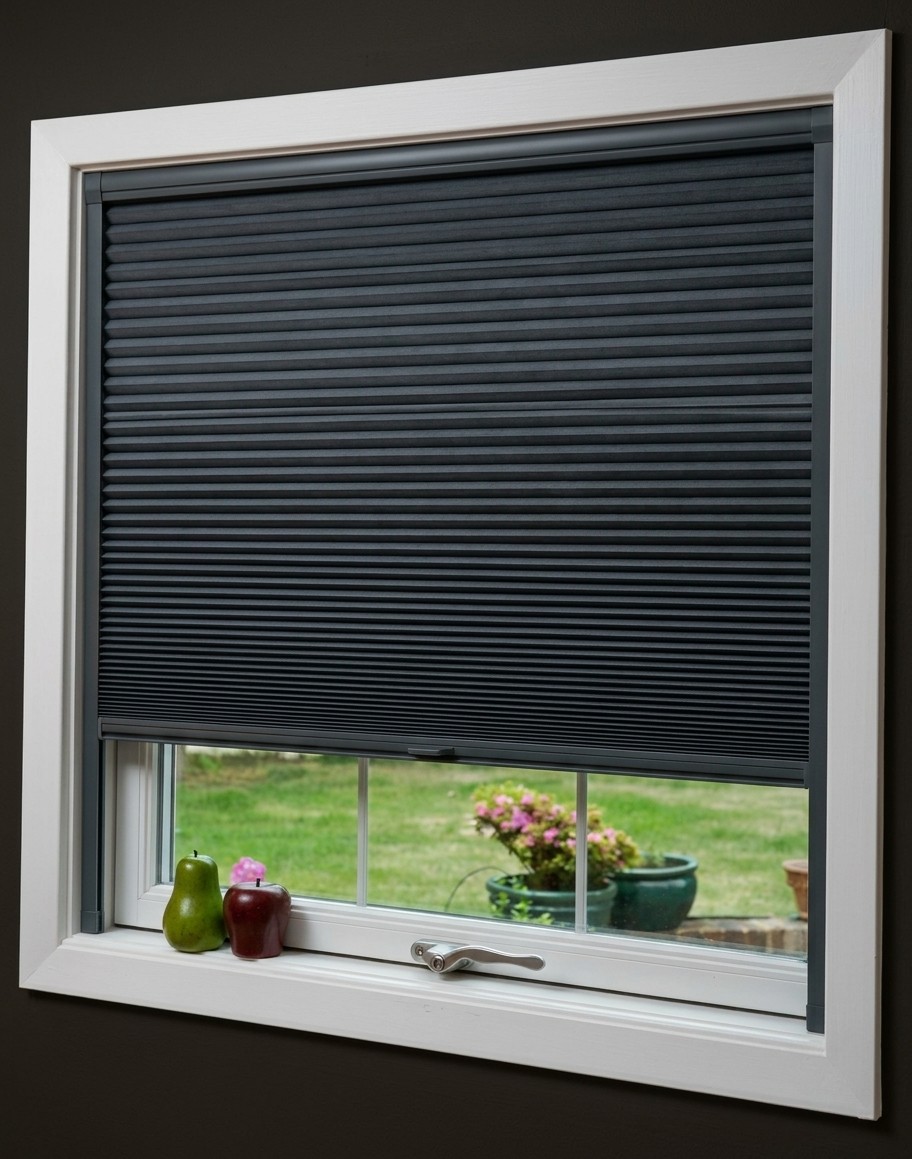
Blackout blinds help UK households reduce unwanted daylight, improve privacy and create a darker sleeping environment. Choosing the right system depends on your window size, light leakage, installation preferences and how you use the room.
From bedrooms facing busy streets to nurseries used for daytime naps, blackout blinds offer a practical way to manage incoming light. However, not every blind provides complete darkness. Fabric opacity and the fit around the window both matter.
Why Do UK Homes Need Blackout Blinds?
Long summer days, early sunrises and streetlights can make bedrooms difficult to darken. Blackout blinds help address these everyday problems.
Morning sunlight: Reduce early daylight entering east-facing bedrooms.
Daytime sleeping: Help shift workers, night workers and parents create a darker environment for rest.
Privacy: Limit visibility through covered windows when the blinds are closed.
Screen glare: Reduce distracting light in home offices and media rooms.
A darker room may support better sleep, but results also depend on noise, temperature and personal sleeping habits.
What Makes Total Blackout Blinds Different?
Standard roller blinds use opaque or light-filtering fabric, but light can still enter through gaps around the edges.
Total blackout systems aim to minimise this leakage through a closer fit, frames, seals or side channels, depending on the design.
When comparing products, check two things:
Fabric opacity: Does light pass through the material?
Edge coverage: How effectively does the system block light around the sides, top and bottom?
A well-designed system addresses both. This is particularly useful for bedrooms exposed to bright streetlights or early morning sunshine.
Are Made-to-Measure Blackout Blinds Worth It?
Window dimensions vary between properties, especially in older UK homes. Made-to-measure blinds are manufactured to the measurements provided, helping achieve a more suitable fit than standard-size alternatives.
Before ordering, measure carefully and follow the manufacturer's instructions. Check whether measurements refer to the window recess, frame or another fitting position. Account for handles and other obstructions, too.
Small measurement errors can affect installation and light coverage, so clarify any uncertainty before purchasing.
No-Drill Blackout Blinds for Renters
Traditional blinds often require screws and drilling. No-drill systems offer an alternative for renters and homeowners who want to avoid making permanent holes.
Potential benefits include:
- Less disruption during installation.
- No drilling into the fitting surface.
- A practical option for some rented properties.
- A simpler installation process.
Compatibility still matters. Check your window type, available fitting space and the manufacturer's instructions. Renters should also review any relevant tenancy requirements.
For homeowners and renters comparing lumiglide blackout blinds uk, it's worth looking beyond fabric opacity to consider installation, window measurements and edge coverage. LumiGlide's total blackout blind system is one option that combines made-to-measure sizing with a no-drill installation approach. Comparing these features with other available systems can help you decide whether the design suits your windows and requirements.
Choosing Blinds for Bedrooms and Nurseries
For main bedrooms, prioritise light control, convenient operation and effective edge coverage.
For nurseries and children's bedrooms, consider how the blind fits, operates and meets relevant safety guidance. Cord-free designs can reduce hazards associated with dangling cords, but always follow the manufacturer's child-safety instructions.
For shift workers, reducing daylight during daytime sleep may be especially useful. Consider outside noise and room temperature as well, since blackout blinds cannot eliminate every disturbance.
Can Blackout Blinds Reduce Heat and Noise?
Some blackout systems incorporate layered materials, frames or seals that may help reduce heat transfer and soften certain outside sounds.
Performance varies according to the product, window construction and installation. Blackout blinds aren't a substitute for proper insulation, double glazing or specialist soundproofing.
Check whether manufacturers provide specific performance evidence before relying on thermal or noise-reduction claims.
What to Check Before Buying
| Feature | What to consider |
|---|---|
| Light control | Opaque material and edge coverage |
| Measurements | Clear measuring instructions |
| Installation | Drilled or no-drill fitting |
| Privacy | Suitable coverage for your window |
| Comfort | Evidence supporting thermal claims |
| Safety | Secure fitting and child-safety guidance |
| Maintenance | Simple cleaning and care instructions |
Final Thoughts
Blackout blinds can make bedrooms more comfortable by reducing unwanted daylight and improving privacy. The best choice depends on your window dimensions, installation needs and the level of darkness you want to achieve.
Made-to-measure systems may be particularly useful where standard blinds leave noticeable gaps. These products illustrate how custom sizing and drill-free installation can be combined, although individual suitability still depends on accurate measurements and the fitting conditions.
Before buying, compare the complete design rather than focusing on fabric alone. Accurate measurements, effective edge coverage and realistic performance claims will help you choose a system suited to your home.