Rethinking Residential Education: What Boarding Schools in Shimla Can Teach Us About Holistic Learning
-

- Published Updated
- 6,782 views
The Case for Immersive Education
In the ongoing debate about the future of schooling, boarding education occupies a unique position. Advocates argue that the residential model — with its combination of structured learning, communal living, and physical distance from home — produces graduates who are measurably more independent, socially fluent, and emotionally resilient than their day-school peers. The evidence from boarding schools in Shimla and institutions like them around the world lends considerable support to this view. At a time when parents are faced with an overwhelming array of educational choices, understanding what truly distinguishes boarding education has never been more important.
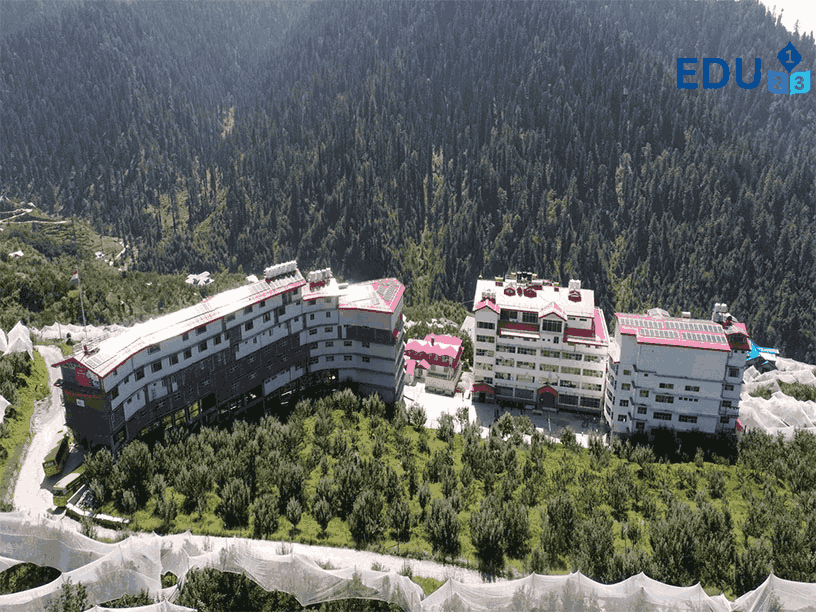
Shimla, with its colonial academic heritage, cooler climate, and distance from the noise and distraction of metropolitan life, has long been considered an ideal setting for focused, immersive education. The city's schools carry a reputation built over decades — one grounded not just in examination results, but in the character of the students they produce.
Beyond Academics: The Developmental Architecture of Boarding Life
What makes the best boarding schools in Shimla distinctive is not merely their academic records — it is the deliberate architecture of daily life. From the moment students wake in their dormitories to lights-out in the house common room, every element of the boarding school day is designed to build specific capacities: time management, interpersonal communication, resilience under pressure, and the ability to function within a community of peers from diverse backgrounds.
Unlike the day school experience, where home provides a daily reset and parents serve as the primary social regulators, the boarding school student must navigate conflict, cooperation, and self-motivation largely on their own terms. This is not a flaw in the system — it is the system. The structured independence of boarding life creates conditions in which young people are gently but consistently pushed to develop the executive function and emotional intelligence that will define their adult lives.
Extracurricular involvement, too, takes on a different character when students are resident. Weekend sports, theatrical productions, debate clubs, and community service projects are not optional add-ons — they are integrated into the fabric of school life, giving students the breadth of experience that universities and employers increasingly value.
The Social Dividend of Boarding School Education
Perhaps the most undervalued outcome of boarding education is social capital. Children who spend their formative years living alongside peers from different states, economic backgrounds, and family cultures develop an interpersonal fluency that proves enormously valuable in professional and personal life. Navigating shared spaces, resolving disputes without parental intervention, and building lasting friendships across difference — these experiences shape a kind of social intelligence that cannot be replicated in a classroom alone.
This is especially true of boarding schools in Shimla, which draw students from across the country and, in some cases, internationally. The exposure to varied perspectives, languages, and customs during impressionable years creates graduates who are genuinely at ease in diverse environments — a quality that matters enormously in an interconnected, globalised world.
Alumni networks from well-regarded boarding schools also carry long-term professional value. The bonds forged through shared dormitory life, late-night study sessions, and competitive sports tend to be durable ones, often forming the foundation of professional collaborations and mentoring relationships that persist well into adulthood.
Addressing the Concerns: Homesickness, Autonomy, and Pressure
The most common objections to boarding education — homesickness, excessive academic pressure, and loss of daily parental connection — are legitimate concerns that any school should address directly. They deserve neither dismissal nor exaggeration.
The best boarding schools in Shimla have developed sophisticated pastoral care systems precisely because these challenges are real and can, if poorly managed, undermine the benefits of the boarding experience. Dedicated houseparents, trained counsellors, structured check-in systems, and clear protocols for identifying students who are struggling are hallmarks of institutions that take student wellbeing seriously.
Parents should ask specific, probing questions when evaluating schools: How is the first term handled for new students? What structures exist for managing student mental health on an ongoing basis? How regularly and transparently are parents kept informed about their child's progress, both academic and personal? The answers to these questions reveal more about a school's culture than any prospectus ever could.
It is also worth noting that many students who initially struggle with homesickness report, in retrospect, that navigating that difficulty was itself one of the most valuable experiences of their school years.
Finding the Right School
For families at the beginning of this research process, Edu123.in provides one of India's most comprehensive and current directories of boarding schools in Shimla. The platform's verified listings, parent reviews, school comparison tools, and up-to-date admissions information make it a genuinely useful resource for families navigating what is, ultimately, a significant and deeply personal decision.
Visit https://www.edu123.in/category/boarding-schools-in-shimla to begin your search and take the first step toward finding the right environment for your child's growth.