Choosing the Perfect Boat Seat for Comfort and Safety in Australian Waters
-

- September 16th, 2026
- 36 views
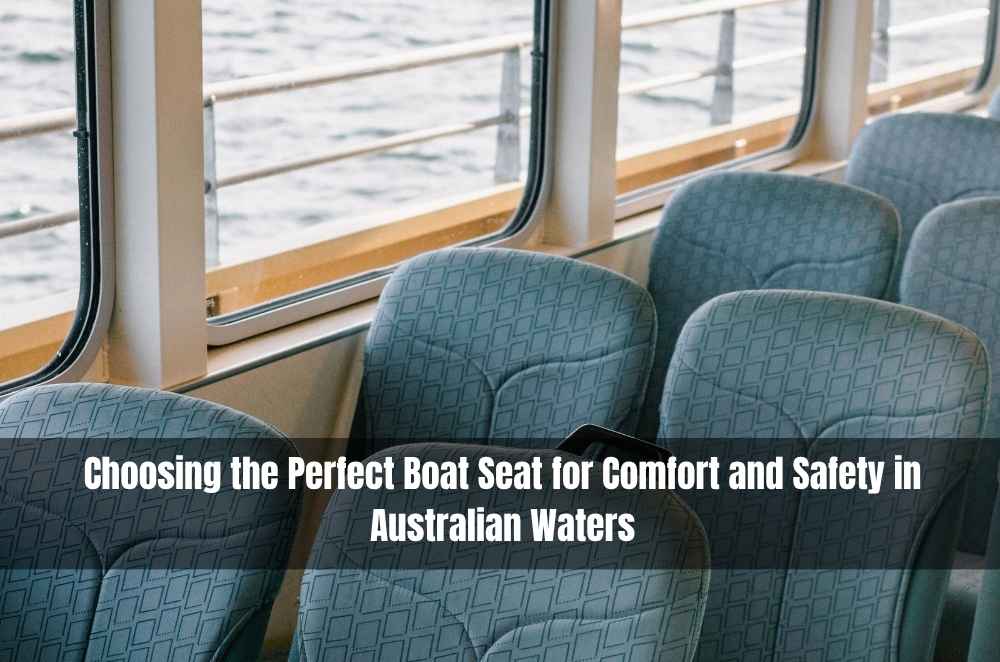
Even calm bays can dish up a jolt when a gust catches the bow at the wrong moment. That sudden thump reminds skippers of an overlooked detail: the seat. A well-designed boat seat isn’t just about a cushy ride; it protects spines, reduces fatigue and helps crews stay focused when conditions get messy.
Why Getting Seating Right Matters
A few hours on the water highlight how vibration, salt spray and UV punishment differ from road conditions. Marine upholstery needs to fend off mildew, resist fading and cushion constant micro-shocks. Those demands mean the average camping chair or plastic stool won’t cut it long-term.
Investing in a supportive boat seat brings three tangible pay-offs:
Less fatigue on long transits, which can translate into sharper reaction times at the helm.
Better posture for passengers, especially on charter or tour operations where comfort affects reviews.
Lower lifetime costs because robust marine fabrics and corrosion-resistant frames survive season after season.
Materials That Cope With Australian Conditions
Local builders know our sunlight is unforgiving. Vinyl rated to marine UV standards typically lasts two to three times longer than standard automotive vinyl. For commercial operators, a high-density foam core resisting water ingress is equally critical. Once moisture seeps in, mildew follows within weeks.
Stainless-steel hardware remains the benchmark for hinges and swivels, but not all grades perform the same. Look for 316 stainless in seat pivots and locking pins; cheaper 304 can pit in brackish estuaries.
Anodised aluminium frames offer a lighter alternative for small runabouts, yet it pays to confirm the anodising thickness. Micron ratings in spec sheets aren’t marketing fluff — they dictate how soon a seat starts chalking.
Ergonomics Beyond Cushion Thickness
Cushion depth draws the eye, but geometry underpins comfort. Commercial ferries commonly use a seat pan angle between 5° and 7° to keep hips aligned and reduce lower-back strain. In recreational craft, a slightly steeper recline feels more relaxed, though anything past 10° can place pressure on the tailbone during impact events.
Armrests divide opinion. Anglers appreciate freedom to pivot quickly, whereas tour-boat passengers welcome the extra support. Detachable arms tick both boxes and simplify maintenance because they can be re-upholstered separately.
Adjustability Counts
Height adjustment is rare in fixed pedestal seats, yet hydraulic suspension posts let skippers tweak ride height without tools. That solves the age-old problem of sightlines over a high bow while still absorbing the slap of short chop.
Maintenance: Small Jobs That Protect the Investment
Salt crystals abrade stitching faster than most skippers realise. A quick freshwater rinse after each trip keeps zips and seams intact. Mild pH-neutral soap beats harsh degreasers, which strip protective coatings off vinyl.
Every six months, back out mounting bolts and dab a marine-grade anti-seize on threads. Galvanic corrosion between stainless bolts and aluminium pedestals is a silent killer — the joint looks fine until the day it shears under load.
An often-ignored check is foam saturation. Squeeze corners of the seat cushion and watch for moisture beading. If it does, the internal membrane has failed and replacement foam is cheaper than letting mould spread through the cabin.
When Specialist Seating Pays Off
Occasional weekenders can manage with basic cushions, but certain use-cases justify stepping up:
Offshore charter boats exceeding 25-knots cruise speeds. The vertical impacts at those velocities compound rapidly.
Survey-class ferries and tourism operators, where AMSA guidelines expect documented impact-mitigation on seating.
Rescue craft and pilot boats. Suspension seats isolate crews from repetitive stress injuries that accumulate over thousands of engine hours.
Technical standards such as ISO 12217 for stability and ISO 5994 for seating strength underpin many commercial contracts. Buying from suppliers who test to these benchmarks can streamline survey certification and insurance renewals.
A recent Australian Maritime Safety Authority circular highlighted that fatigue-related incidents accounted for a notable portion of near-miss reports in 2025. While it stops shy of mandating suspension seats, the advisory points out that improved ergonomics demonstrably lowers fatigue-induced errors.
A Practical Path Forward
Choosing a boat seat is ultimately a balance between upfront spend and downstream operating costs. Skippers should weigh:
Expected sea states and trip durations
Crew or passenger demographics (back injuries spike with age)
Regulatory requirements tied to commercial survey classes
Spending a little more on materials rated for marine UV and salt loads nearly always pays back in deferred replacements alone. Factor in the intangible benefit of happier passengers and alert crews, and the case strengthens further.
Like most fit-out decisions, documenting the selection criteria helps when auditors review safety-management systems. Keep copies of material data sheets, ISO test certificates and maintenance logs in the vessel’s SMS binder.
FAQs
Do I need suspension seats for bay-only operations?
Usually not. Bay and river cruising tends to involve lower wave heights, so quality fixed-pedestal seats with adequate padding often suffice.
How often should marine seat vinyl be replaced?
Quality UV-rated vinyl can last seven to ten years with regular cleaning and UV protectant. Signs of cracking or fading mean it’s time.
Can I re-upholster seats myself?
Yes, provided you use marine-grade thread and mildew-resistant foam. However, professional trimmers can heat-weld seams for extra longevity.
What’s the easiest way to check if a seat frame is corroding?
Remove the cushion and inspect welds and mounting bolts. Flaking paint or white powdery residue on aluminium frames are early warning signs.