Body Contouring in Dubai: How Procedures Can Help Achieve a Sculpted Figure
-
- February 23rd, 2026
- 1,593 views
Body contouring in Dubai is increasingly sought by people looking to refine body proportions, reduce stubborn fat, and achieve a more sculpted figure. This article explains common benefits, types of procedures, safety and regulation considerations, recovery expectations, and practical steps for choosing a qualified practitioner in the UAE.
- Body contouring includes surgical and non-surgical procedures designed to reduce fat, tighten skin, and reshape the body.
- Benefits often cited are targeted fat reduction, improved body proportions, and shorter recovery for some non-invasive techniques.
- Safety and results depend on procedure choice, practitioner skill, and patient health; regulation in Dubai is overseen by the Dubai Health Authority.
- Discuss realistic expectations, risks, and costs with a licensed provider before deciding.
Benefits of body contouring in Dubai
One of the main advantages of body contouring in Dubai is the ability to address specific areas of concern that diet and exercise alone may not change. Procedures can target localized fat deposits, improve body proportions, and address skin laxity after weight loss or pregnancy. Many options allow customization to individual anatomy and goals, whether through surgical methods such as liposuction and abdominoplasty (tummy tuck) or non-surgical technologies like cryolipolysis (fat-freezing), radiofrequency, and ultrasound-based treatments.
Types of procedures and expected benefits
Surgical procedures
Surgical body contouring includes liposuction and abdominoplasty. Liposuction removes fat cells from specific areas to improve contour and proportions; it is often combined with other procedures to address excess skin. Abdominoplasty tightens abdominal muscles and removes surplus skin, which can produce significant changes in silhouette. Surgical options typically offer more dramatic results but require longer recovery and carry surgical risks.
Non-surgical and minimally invasive options
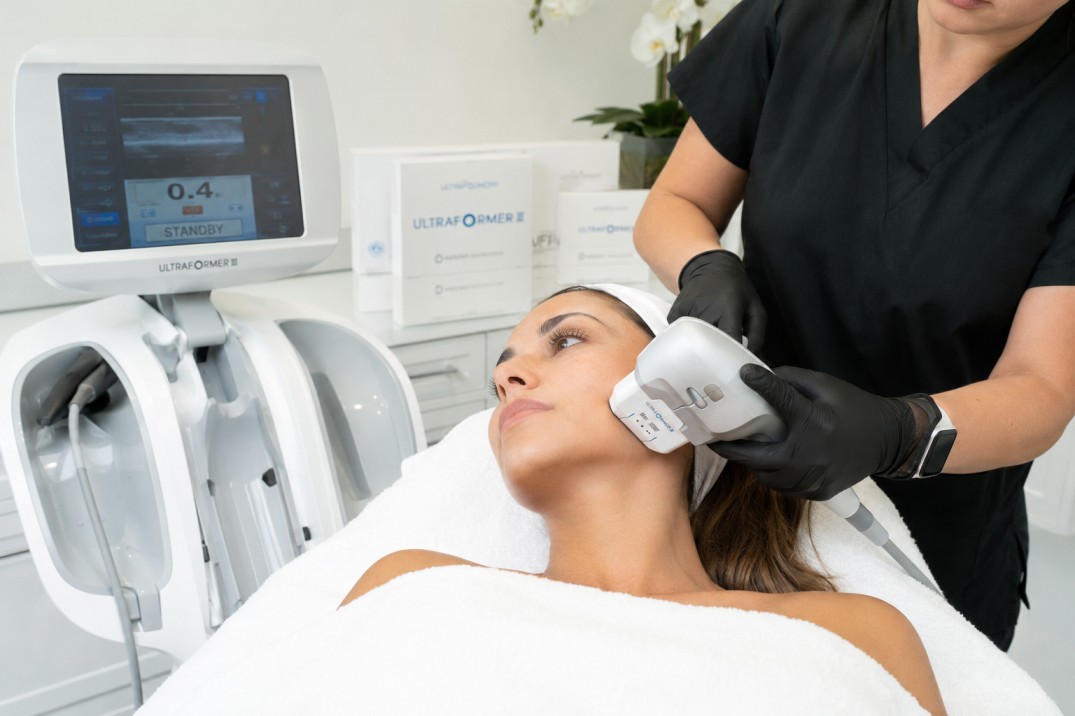
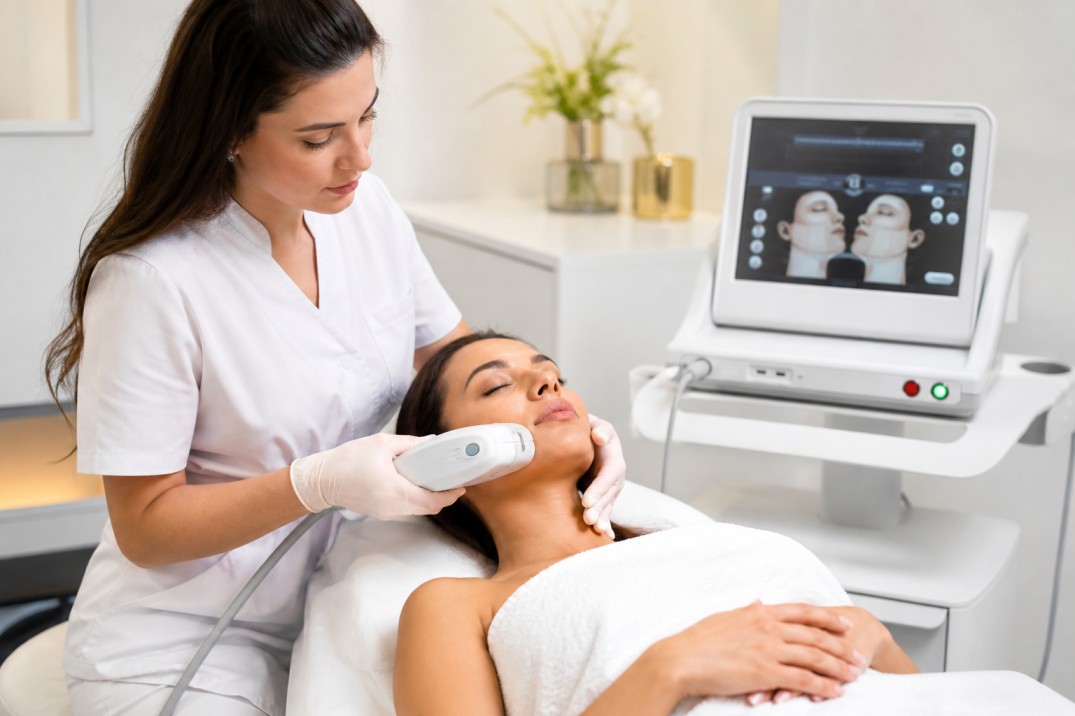
Non-surgical approaches—such as cryolipolysis, radiofrequency skin tightening, and ultrasound fat reduction—can reduce small to moderate fat bulges and improve skin tone with minimal downtime. These treatments may require multiple sessions and provide gradual results. Advantages include lower immediate risk, fewer restrictions after treatment, and suitability for patients not ready for surgery.
Combination approaches
Combining modalities can address both fat reduction and skin laxity. For example, liposuction may be paired with skin-tightening technologies or surgical excision for more comprehensive contouring. Treatment plans are typically individualized to balance results, recovery time, and risk.
Who is a good candidate?
Suitable candidates are generally adults in good overall health who have realistic expectations and localized concerns that are not adequately addressed by lifestyle measures. Candidates for non-surgical treatments often have mild-to-moderate fat deposits and reasonably good skin elasticity, while surgical candidates may have more substantial adipose tissue or excess skin. A licensed consultation helps determine candidacy and the most appropriate approach.
Regulation, safety, and quality standards in Dubai
Health facilities and practitioners in Dubai are regulated by the Dubai Health Authority (DHA). Licensing, facility accreditation, and practitioner credentialing are enforced to protect patient safety and maintain standards of care. Prospective patients should verify that clinics and practitioners are registered with the DHA and that consent, preoperative assessment, and infection-prevention protocols are in place. For additional information about health regulation in Dubai, consult the official Dubai Health Authority website: https://www.dha.gov.ae.
Costs, recovery, and realistic expectations
Costs
Procedural costs vary widely based on the type of treatment, the extent of the area treated, practitioner experience, and facility fees. Non-surgical sessions may be less expensive per session but can add up if multiple treatments are required. Surgical procedures generally incur higher upfront costs including anesthesia, operating room fees, and follow-up care.
Recovery
Recovery depends on the chosen procedure. Non-surgical treatments typically have minimal downtime and allow a quick return to routine activities. Surgical procedures like liposuction and abdominoplasty often require days to weeks of reduced activity and several weeks before resuming strenuous exercise. Follow-up appointments and adherence to postoperative instructions are important for optimal outcomes.
Managing expectations and outcomes
Body contouring can meaningfully change appearance but is not a substitute for weight loss or a guarantee of permanent results. Long-term maintenance commonly requires continued attention to nutrition, exercise, and follow-up care. Discuss realistic goals, potential complications, and likely outcomes with a qualified practitioner during the consultation.
Choosing a qualified practitioner in Dubai
Select a practitioner with relevant surgical or procedural training, recognized credentials, and documented experience in the specific type of body contouring being considered. Verify registrations with local regulators, review before-and-after photos for similar cases, and request information on facility accreditation. A thorough consultation should include medical history review, explanation of alternatives, a clear description of risks and recovery, and written informed consent.
Risks and how they are managed
All procedures carry potential risks, such as infection, bleeding, asymmetry, scarring, or changes in skin sensation. Non-surgical treatments may cause temporary redness, swelling, or sensitivity. Minimizing risk involves appropriate patient selection, adherence to safety protocols, and choosing accredited facilities and licensed practitioners. Discuss emergency procedures and follow-up arrangements before treatment.
Preparing for a consultation
Bring a list of medical conditions, medications, previous surgeries, and clear goals for body shape or problem areas. Ask about the full range of options, expected timelines, costs, likely outcomes, and contingency plans for complications. Request written estimates and a detailed aftercare plan.
FAQ
Is body contouring in Dubai safe?
When performed by licensed practitioners in accredited facilities that follow Dubai Health Authority standards, body contouring procedures have established safety protocols. Safety depends on the specific procedure, patient health, and adherence to preoperative and postoperative guidance.
How long do results typically last?
Results vary by procedure and patient behavior. Fat removal procedures reduce the number of fat cells in treated areas, but remaining fat cells can expand with weight gain. Maintaining a stable weight and healthy lifestyle supports longer-lasting results.
Are non-surgical treatments effective compared to surgery?
Non-surgical options can be effective for mild-to-moderate concerns and offer reduced downtime, but they usually produce more gradual and less dramatic changes than surgery. A practitioner can recommend the best approach based on goals and anatomy.
How to verify a clinic or practitioner's credentials?
Check registration with the Dubai Health Authority, request practitioner qualifications, and confirm facility accreditation. Reviews, professional society memberships, and documented case examples can provide additional context.
What are common costs and financing considerations?
Costs depend on the procedure, extent of treatment, and facility. Clinics often provide estimates and financing options. Verify what is included in the quoted price (anesthesia, follow-up visits, garments) and obtain a written estimate before proceeding.
Consult a licensed medical professional for personalized information and to discuss risks and suitability for any body contouring procedure.