Monsplasty Surgery: Practical Guide to Benefits, Recovery, and Risks
-

- March 12th, 2026
- 493 views
Monsplasty surgery is a targeted cosmetic procedure to reduce or reshape the mons pubis—often chosen to address discomfort, changes after weight loss or pregnancy, or aesthetic concerns. This guide explains what the procedure involves, who is a suitable candidate, how recovery typically progresses, and how to make a safe, well-informed decision.
- Monsplasty reduces excess tissue or fat in the mons pubis and can be combined with liposuction or abdominoplasty.
- Recovery usually takes 2–6 weeks for basic activities; full healing can take several months.
- Key decisions: realistic expectations, choosing a board-certified plastic surgeon, and planning for downtime and wound care.
Detected intent: Informational
Monsplasty Surgery: What It Is and Who It's For
The term covers surgical approaches that reduce the prominence of the mons pubis. Techniques include direct excision of excess skin and fat, liposuction of the fatty pad, or a combination. Candidates often report discomfort with clothing, persistent bulging after weight changes or pregnancy, or dissatisfaction with genital appearance. A full consultation should include medical history, examination, and a discussion of non-surgical alternatives.
Common Techniques and Related Procedures
Excision and direct reshaping
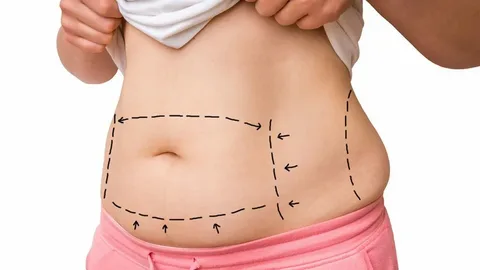
Direct excision removes excess skin and fat and tightens underlying tissue. Incisions are usually low on the pubic mound and placed to minimize visible scarring.
Liposuction-assisted mons pubis reduction
Liposuction can contour the fatty pad with smaller incisions; this option may be suitable when skin quality is good and only volume reduction is needed.
Combined approaches
Combining liposuction with skin excision or pairing monsplasty with abdominoplasty or labiaplasty is common when multiple concerns exist. Combining procedures increases operative time and recovery needs.
Recovery: monsplasty recovery timeline and expectations
Immediate recovery focuses on incision care, swelling control, and activity modification. Typical timeline:
- First 48–72 hours: rest, ice as advised, pain control with prescribed or over-the-counter medications.
- 1–2 weeks: limited walking encouraged; most people avoid strenuous activity and sexual activity.
- 2–6 weeks: gradual return to moderate exercise; swelling and bruising improve but may persist.
- 3–6 months: scars mature and continue to soften; final contour becomes apparent.
Follow-up appointments are critical to monitor healing and manage complications early.
Practical checklist: the PREP framework for choosing monsplasty
Use the PREP checklist to structure decisions before surgery:
- Purpose — Clarify the primary reason for surgery (function, comfort, aesthetics).
- Risks — Understand common and rare risks (infection, wound separation, poor scarring, numbness).
- Expectations — Review before/after photos and ask about likely results for the specific anatomy.
- Provider — Confirm board certification and experience with mons pubis procedures; inquire about facility accreditation.
Reference: the American Society of Plastic Surgeons recommends consulting credentialed, board-certified surgeons for elective cosmetic procedures. For guidance on surgeon qualifications, see the American Society of Plastic Surgeons website: plasticsurgery.org.
Real-world scenario
A 38-year-old patient who experienced significant weight loss after pregnancy reports clothing discomfort and a persistent bulge despite diet and exercise. Examination reveals a fatty mons pad with mild excess skin. After discussing options, a combined liposuction and limited skin excision under general anesthesia was selected. Recovery included two weeks off work for rest and wound care, and by three months the patient reported improved comfort and satisfaction with clothing fit. This scenario highlights typical decision points: anatomy assessment, choosing a technique, and planning for downtime.
Trade-offs and common mistakes
Trade-offs to consider
- Less invasive options (liposuction alone) offer smaller scars but may not correct loose skin.
- More extensive excision can produce a firmer contour but increases scar length and recovery time.
- Combining procedures reduces total anesthesia episodes but raises immediate recovery intensity.
Common mistakes
- Choosing a surgeon based on price alone rather than experience with monsplasty techniques.
- Underestimating recovery time and returning to heavy activity too soon.
- Failing to discuss realistic outcomes for skin elasticity and scar placement.
Practical tips for a smoother process
- Confirm surgeon credentials and ask for outcome photos of similar cases.
- Arrange help for the first 48–72 hours and plan comfortable clothing that avoids friction on incisions.
- Follow wound-care instructions precisely and report any fever, increasing pain, or unusual drainage promptly.
- Maintain a stable weight before surgery; significant weight fluctuation can change results.
Core cluster questions for further reading
- How does monsplasty differ from labiaplasty and abdominoplasty?
- What is a typical recovery timeline after monsplasty?
- What are the common risks and complications of mons pubis reduction?
- When is liposuction alone appropriate for reducing the mons pubis?
- How to prepare for a cosmetic consultation about genital contouring?
Costs, insurance, and realistic outcomes
Most monsplasty procedures are considered elective cosmetic surgery and are not covered by insurance unless there is a documented medical issue (for example, functional impairment). Costs vary by location, surgeon experience, and whether additional procedures are performed. A clear quote should include surgeon fees, facility fees, anesthesia, and follow-up care.
When to seek follow-up care
Contact the surgical team for persistent fever, worsening pain, increasing redness, drainage from the incision, or signs of wound separation. Early assessment can prevent minor issues from becoming major complications.
FAQ
What is monsplasty surgery and how does it work?
Monsplasty surgery reduces the tissue of the mons pubis using liposuction, direct excision, or both. The goal is to improve contour, reduce bulk, and address functional discomfort. Technique choice depends on skin quality and the amount of fat and skin to be removed.
How long is the monsplasty recovery timeline?
Initial recovery usually requires 1–2 weeks away from work for desk jobs, with a gradual return to exercise over 4–6 weeks. Final results and scar maturation can take several months.
Are there non-surgical alternatives to mons pubis reduction?
Non-surgical options are limited. If excess volume is primarily fatty, non-surgical fat reduction technologies may offer modest improvement, but results are typically less predictable than surgical approaches.
What are common complications after mons pubis reduction?
Common complications include temporary numbness, swelling, bruising, infection, unfavorable scarring, and, rarely, wound separation. Choosing an experienced surgeon and adhering to postoperative instructions reduces risk.
How to choose the right surgeon for monsplasty?
Confirm board certification, review before-and-after photos of similar cases, ask about complication rates and revision policies, and ensure the procedure is performed in an accredited facility. Discuss anesthesia plans and postoperative support during the consultation.