Natural-Looking Botox: A Practical Guide to Subtle, Safe Results
-
- March 05th, 2026
- 500 views

Get a free topical map and start building content authority today.
Natural-looking Botox is a common goal for people seeking subtle facial refreshment without an overdone appearance. This guide explains how Botox works, what to expect during and after treatment, and practical steps to maximize a natural result while managing risks.
- Natural-looking Botox aims to relax targeted muscles to soften lines while preserving facial movement.
- Choose an experienced injector, follow a simple aftercare plan, and use the SAFE Botox Checklist below before treatment.
- Common trade-offs include duration vs. dose and treating prevention vs. correction.
Detected intent: Informational
Natural-Looking Botox: What it is and how it works
Natural-looking Botox refers to using botulinum toxin injections to reduce dynamic wrinkles—like forehead lines, glabellar lines (between the brows), and crow's feet—while preserving the ability to make normal facial expressions. Botox is a brand name for a type of botulinum toxin, a neuromodulator that temporarily blocks nerve signals to targeted muscles. The effect is predictable muscle relaxation rather than invasive tissue removal.
When natural-looking Botox is a good option
Botox suits people seeking subtle changes: softer lines, less tension in brow muscles, and a refreshed appearance without frozen features. It is commonly used for:
- Reducing glabellar lines (frown lines)
- Soften crow's feet and lateral eye lines
- Gentle forehead smoothing while preserving brows mobility
- Preventative use in younger adults to slow deepening lines
Preparing for treatment: the SAFE Botox Checklist
Use the SAFE Botox Checklist before booking or at the consultation to ensure safer, more natural results.
- S — Select a qualified provider (board-certified dermatologist/plastic surgeon or trained cosmetic clinician).
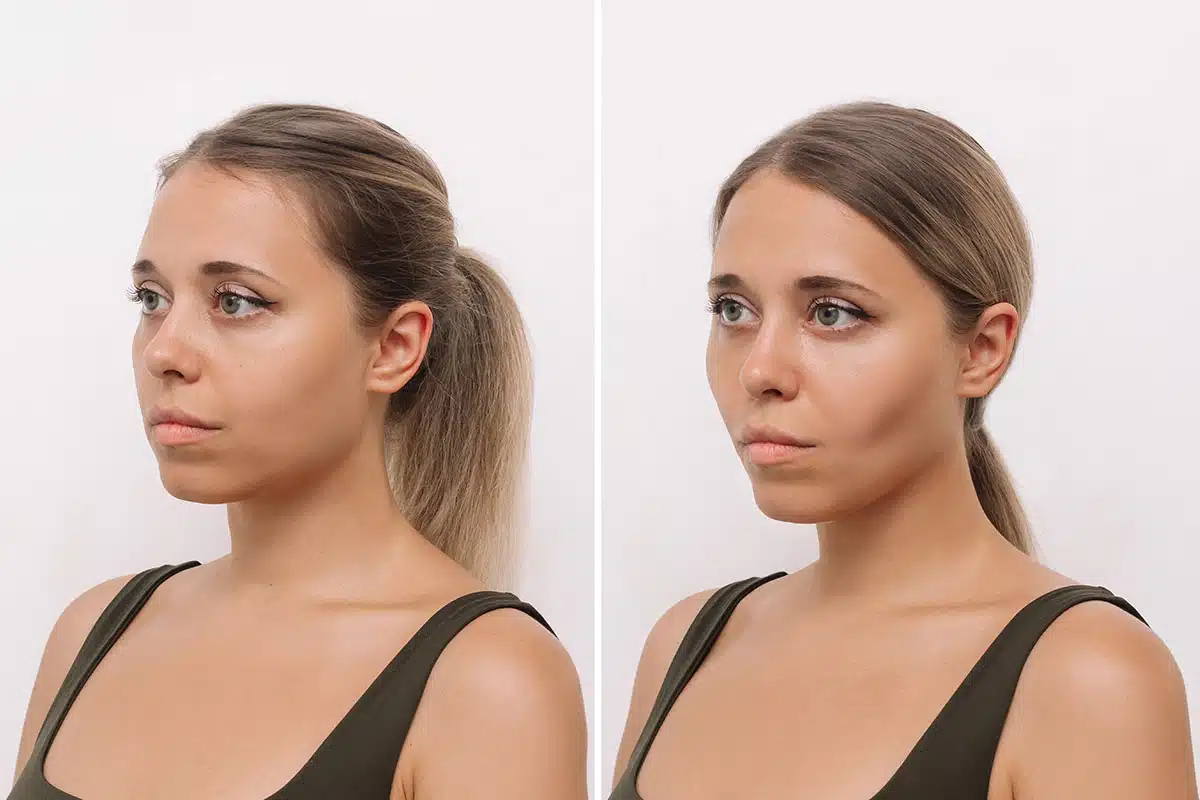
- A — Ask about product, dose, and injection plan; request before/after photos for similar goals.
- F — Follow pre-treatment guidance: avoid blood thinners and heavy alcohol for 48–72 hours if advised.
- E — Estimate recovery and follow aftercare (cool compresses, avoid strenuous exercise 24–48 hours).
What to expect during and after treatment
Treatments are typically outpatient, lasting 10–30 minutes depending on areas treated. Results begin to appear in 3–7 days and reach full effect by 2 weeks. Expect temporary redness, small injection-site bruises, and mild soreness. Rare side effects include drooping eyelids or asymmetry; most are dose-related or technique-related and resolve over weeks to months.
Practical aftercare and Botox aftercare tips
Follow these Botox aftercare tips to protect results:
- Avoid rubbing or massaging treated areas for 24 hours to prevent unintended spread of toxin.
- Stay upright for 4 hours after injections and avoid vigorous exercise for 24–48 hours.
- Avoid heavy alcohol and blood-thinning supplements before and immediately after treatment to reduce bruising risk.
- Use gentle skincare; avoid intense facials or chemical peels for a few days.
Balancing benefits and risks: Botox benefits and risks
Benefits include fast, minimally invasive results with reversible and temporary effects. Risks are generally low when performed by trained clinicians but include bruising, headache, droop, and rarely allergic reactions. Balance dose and treatment area against desired mobility: lower doses preserve movement but may require more frequent touch-ups.
Common mistakes and trade-offs
Knowing common mistakes helps avoid an overdone look:
- Too much volume in one session: High doses can cause a frozen forehead—treat with smaller amounts and plan staged treatments.
- Mismatched expectations: Without clear communication, patients may expect complete wrinkle removal; discuss realistic outcomes.
- Choosing cost over qualifications: Very low price can indicate inexperienced injectors—prioritize training and reviews.
Real-world example: subtle forehead smoothing
Scenario: A 38-year-old with moderate horizontal forehead lines wants a refreshed but natural look. The provider maps muscle activity at rest and on animation, selects lower-dose injections across multiple forehead points, and avoids aggressive brow depression. At 2 weeks, lines are softer and full eyebrow movement remains—allowing expressive brows without deep creases.
Practical tips for achieving natural results
- Start conservative: Use conservative dosing and plan a follow-up at two weeks for adjustments.
- Communicate goal photos: Show photos that illustrate the amount of movement and look being sought (not celebrity faces only).
- Space treatments sensibly: Repeat every 3–4 months initially to find the right maintenance schedule for natural continuity.
- Discuss anatomy: Providers should explain muscle targets and why some lines need more than neuromodulators (e.g., deep static lines may need fillers or resurfacing).
How providers measure success
Success measures include symmetry, preserved expressivity, patient satisfaction, and minimal side effects. Providers may use standardized photography, validated outcome scales, and patient-reported outcome measures during follow-up to ensure natural results.
Core cluster questions
- How long does Botox last and when should maintenance be scheduled?
- Is Botox safe for first-time users and what screening is needed?
- What can be expected during a Botox appointment step by step?
- How to choose an injector for subtle, natural results?
- Can Botox be combined with fillers or laser resurfacing for better outcomes?
For authoritative safety information and approved uses, consult official guidance such as the U.S. Food and Drug Administration at FDA on Botox and botulinum toxin.
Common questions — trade-offs and planning
Decisions often come down to dose vs. duration (higher dose = longer effect but higher risk of stiffness), and preventative vs. corrective strategies (earlier, lower-dose treatments can slow line formation but do not replace needed corrective procedures for deep static lines).
How long does natural-looking Botox last?
Results typically last 3–4 months for many patients; individual metabolism, treated muscles, and dose influence duration. Maintenance scheduling should be personalized after initial treatments.
What are the most common side effects and how are they managed?
Common side effects include injection-site bruising, mild headache, and temporary localized weakness. Management is usually conservative: cold compresses for bruises, observation for transient weakness, and follow-up with the provider for any unexpected changes. Rare complications should be reported promptly.
Can natural-looking Botox look like nothing was done?
Yes. When dosing and placement match the patient’s facial anatomy and goals, results can be very subtle—softened lines with preserved expressions. Clear communication and conservative initial dosing are key.
Is natural-looking Botox right for first-timers?
Many first-timers prefer a conservative approach focused on subtle results. A qualified clinician will screen medical history, discuss expectations, and recommend an individualized treatment plan.
How to prepare for a Botox appointment?
Avoid alcohol and non-essential blood-thinning supplements 48–72 hours before treatment if advised, arrive with clean skin, and bring any list of medications or previous cosmetic procedures. Discuss goals clearly and ask about the provider’s experience with natural-looking outcomes.
Related terms: botulinum toxin, neuromodulator, injectable, wrinkle relaxer, glabellar lines, crow's feet, aesthetic, recovery, side effects.